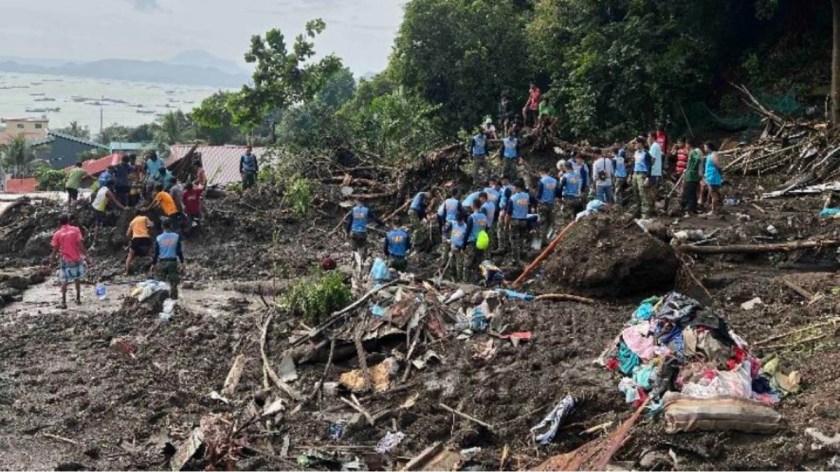
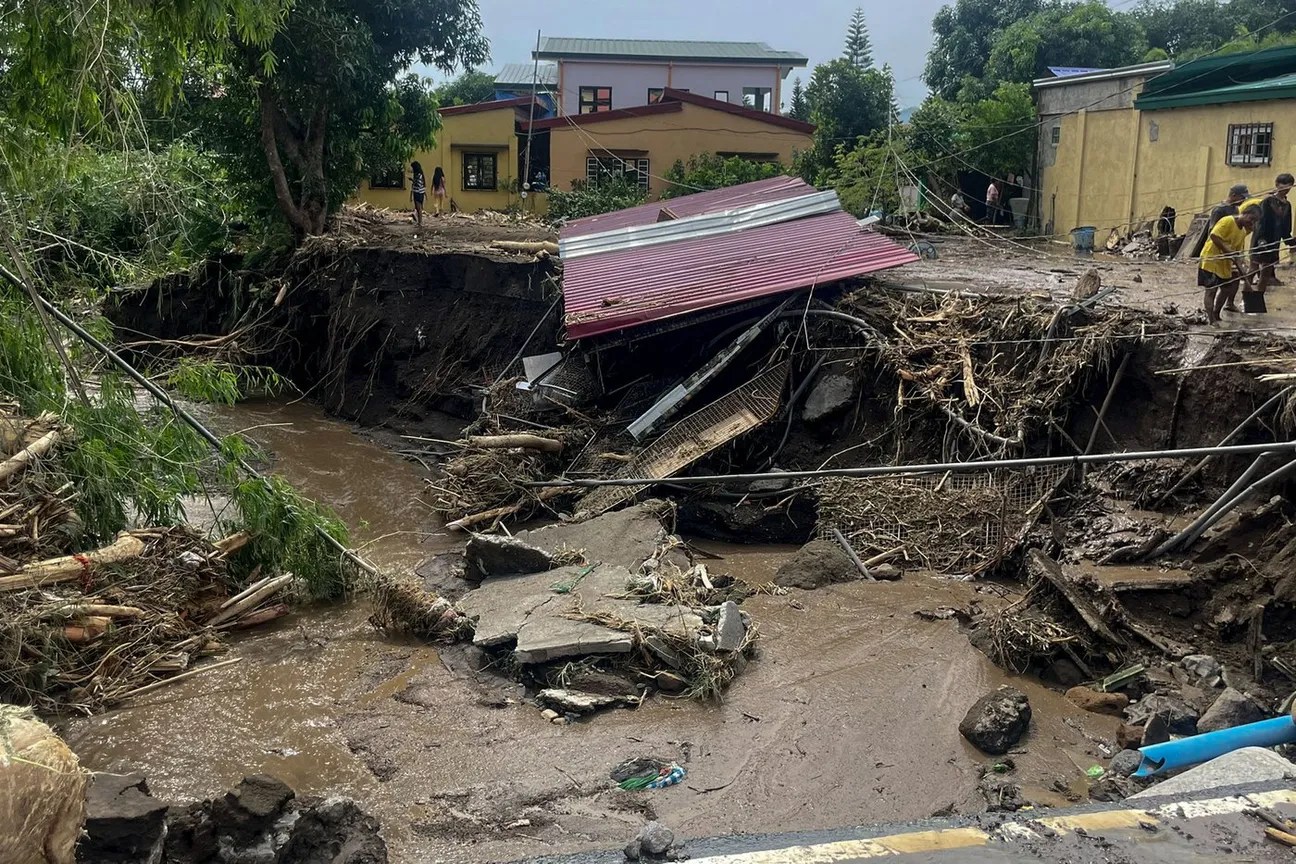
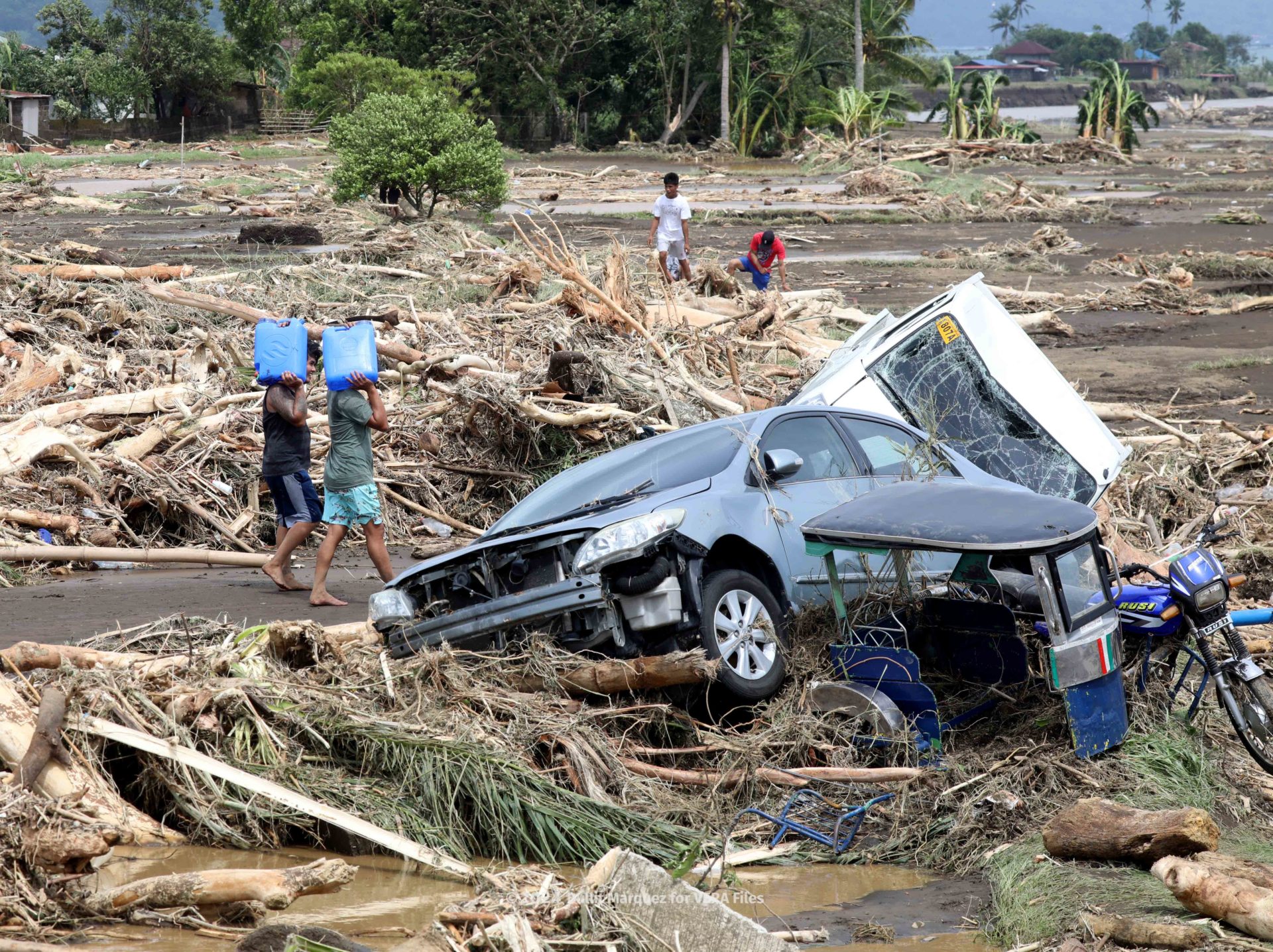
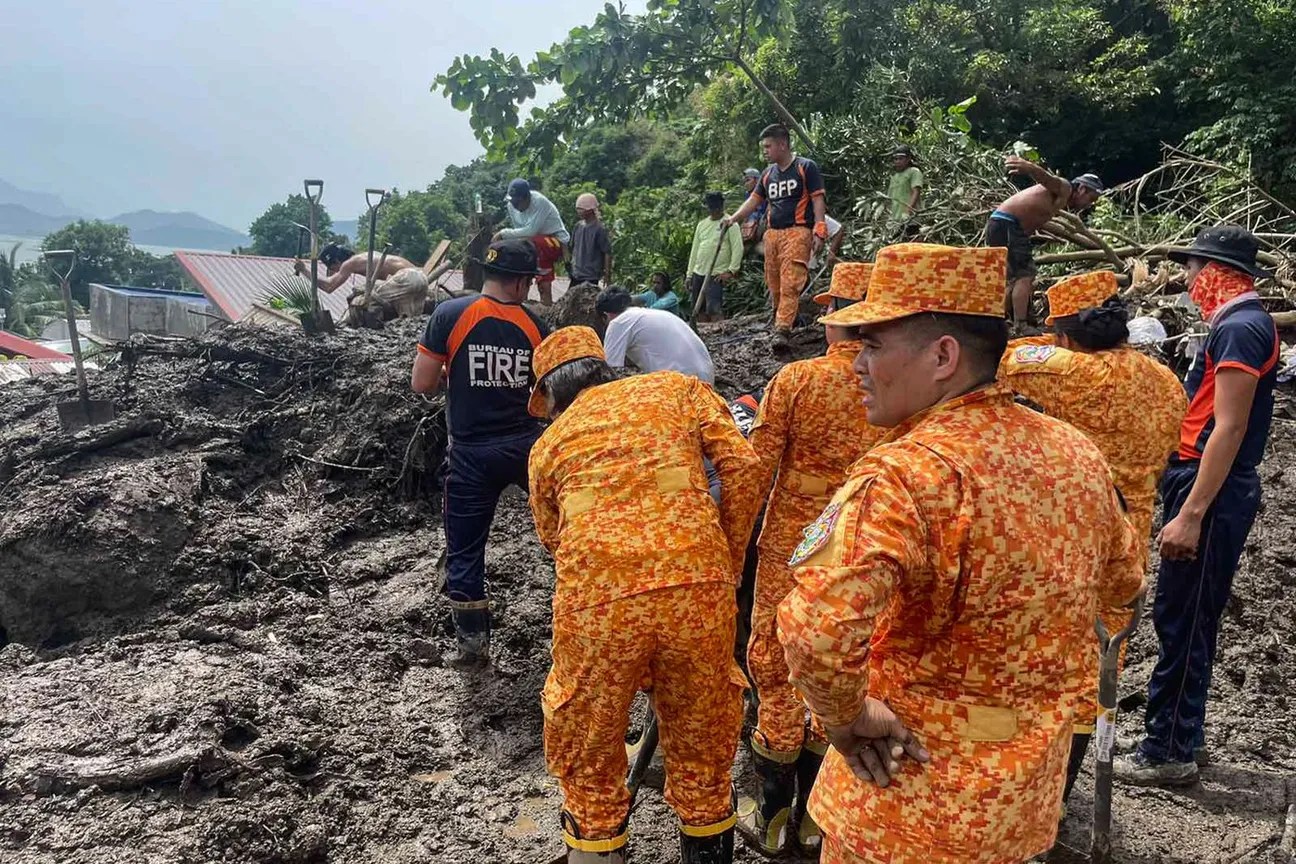
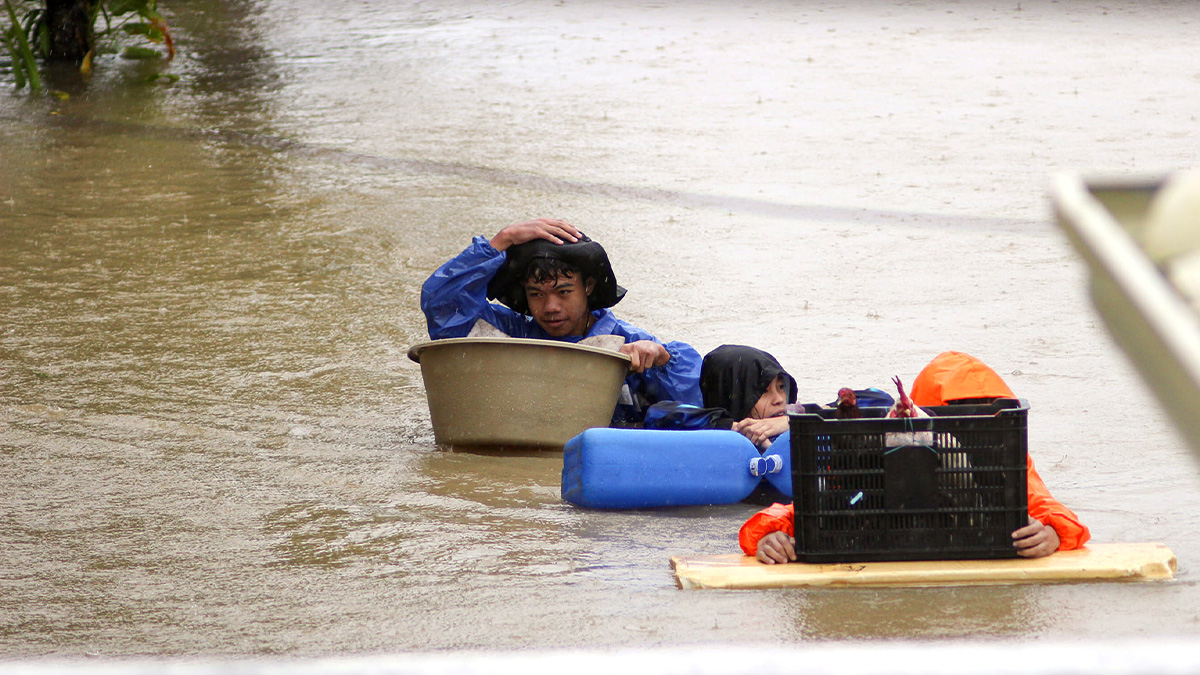
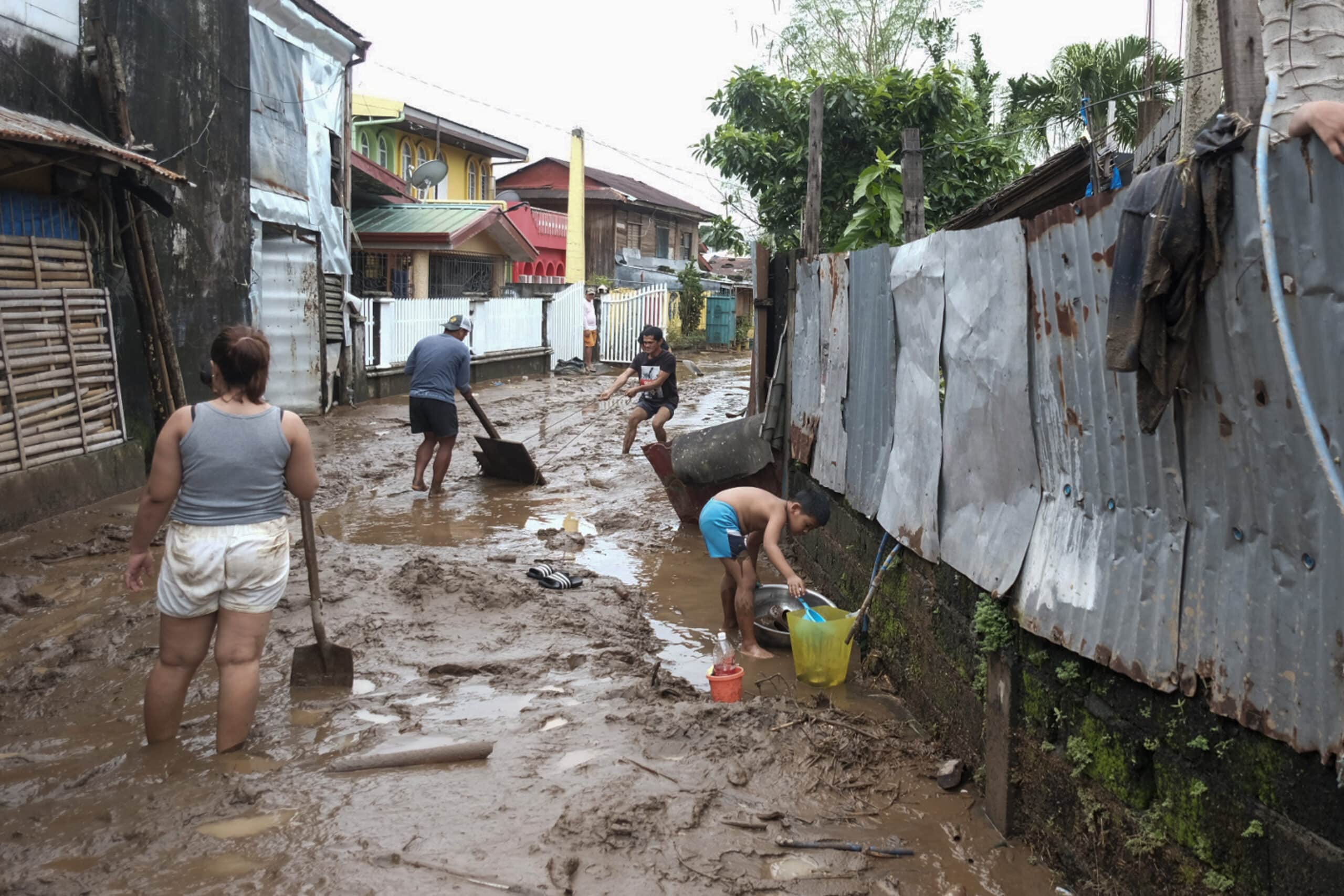
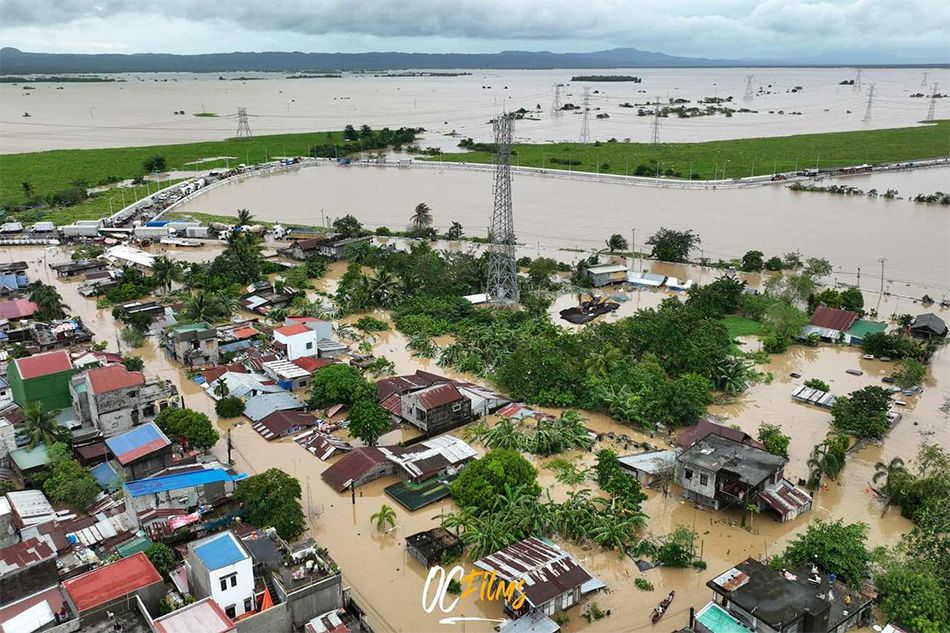
Last Thursday, Tropical Storm Kristine lashed out angrily at Luzon, the Philippines’ largest island. Like a woman scorned, Kristine was noisy, screaming and howling and banging doors and windows. She was also very destructive, as she threw all sort of stuff around – from roofs to trees to electric poles to huge posters, etc – causing immeasurable damages. The storm, which brought in heavy rainfall and strong winds, left at least 24 people dead, along with widespread flooding, landslides, and heavy infrastructure damage. Communities, particularly in low-lying areas, were severely affected, with many families displaced and livelihoods disrupted.
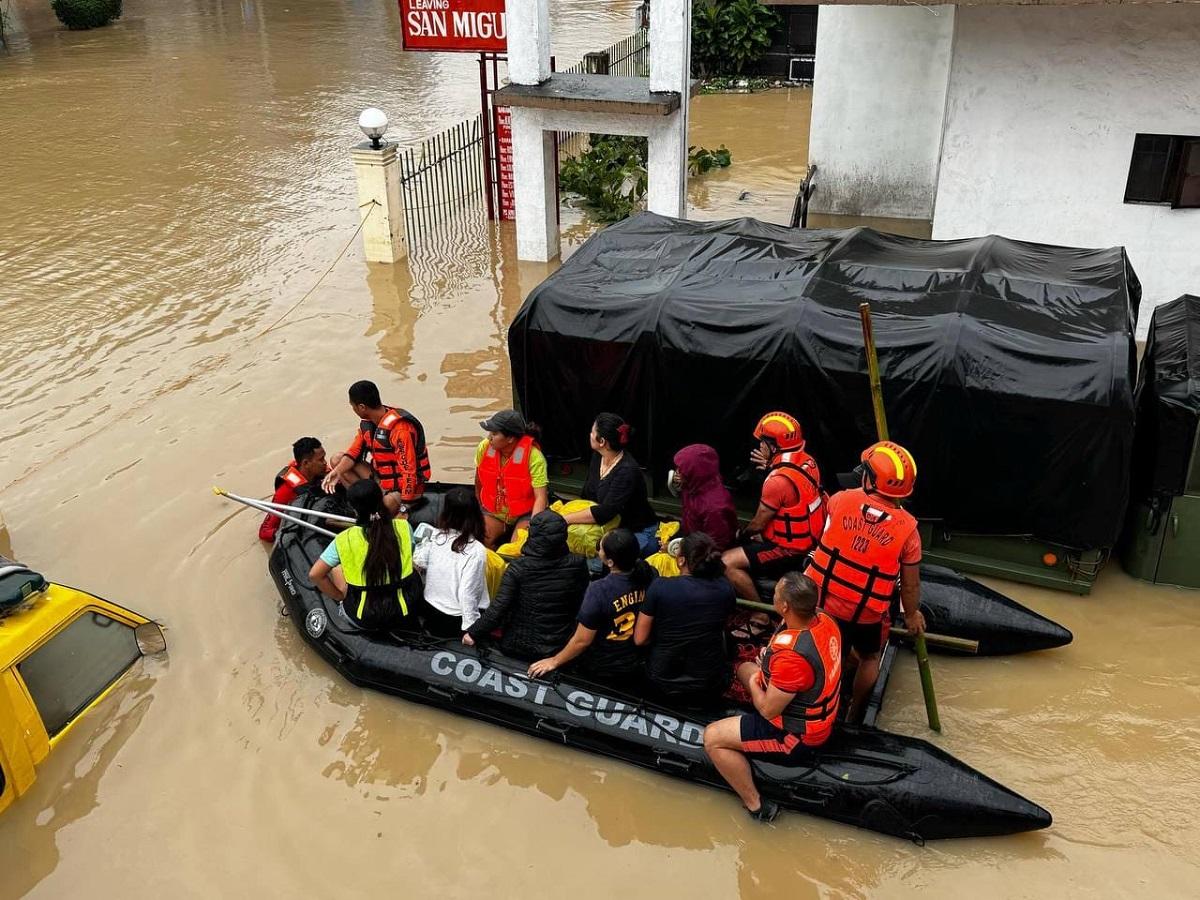
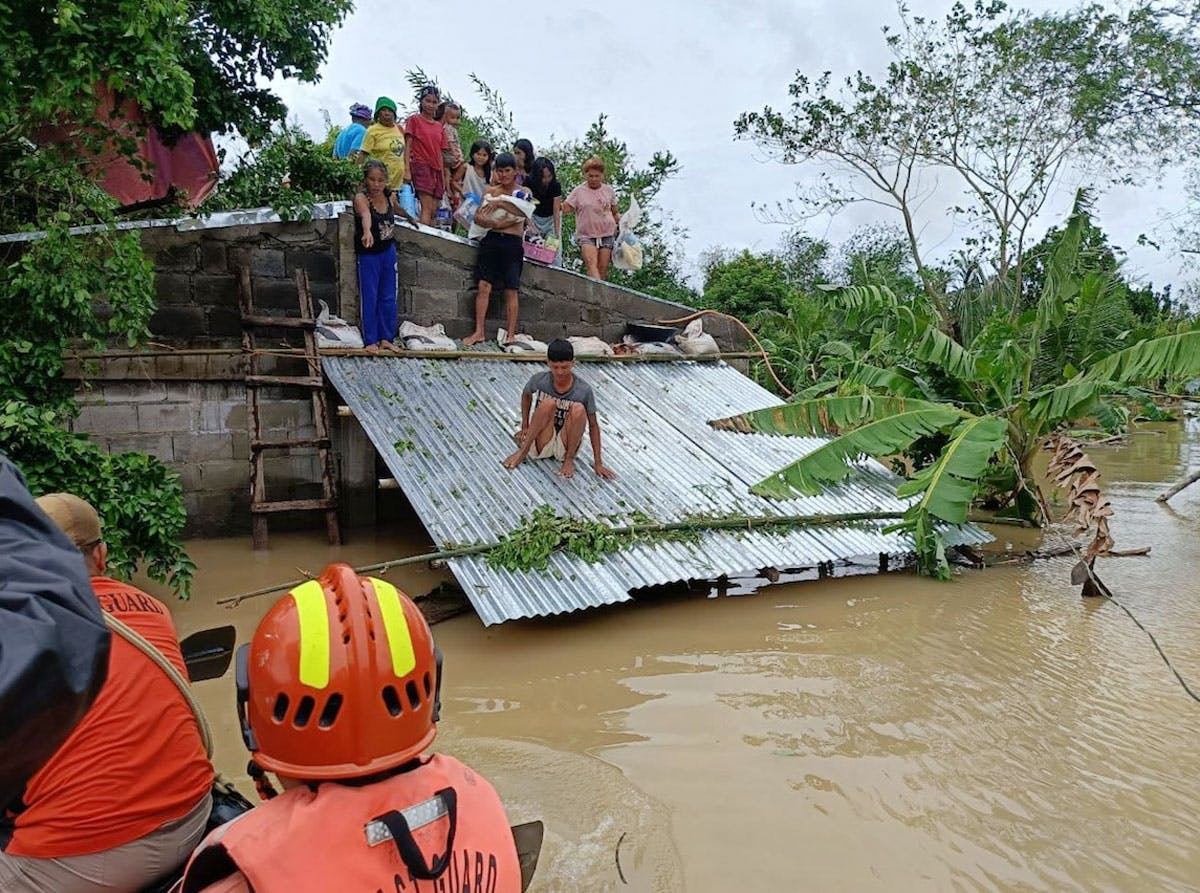
When Kristine made landfall in the Bicol region, it brought torrential downpours that overwhelmed rivers and drainage systems, causing significant flooding in urban centers like Manila and many rural regions as well. In some areas, entire communities were submerged, and many residents were forced to evacuate to temporary shelters. The storm’s impact on agriculture was also severe, with flooded fields damaging crops and affecting food security for thousands of villages in the months ahead.
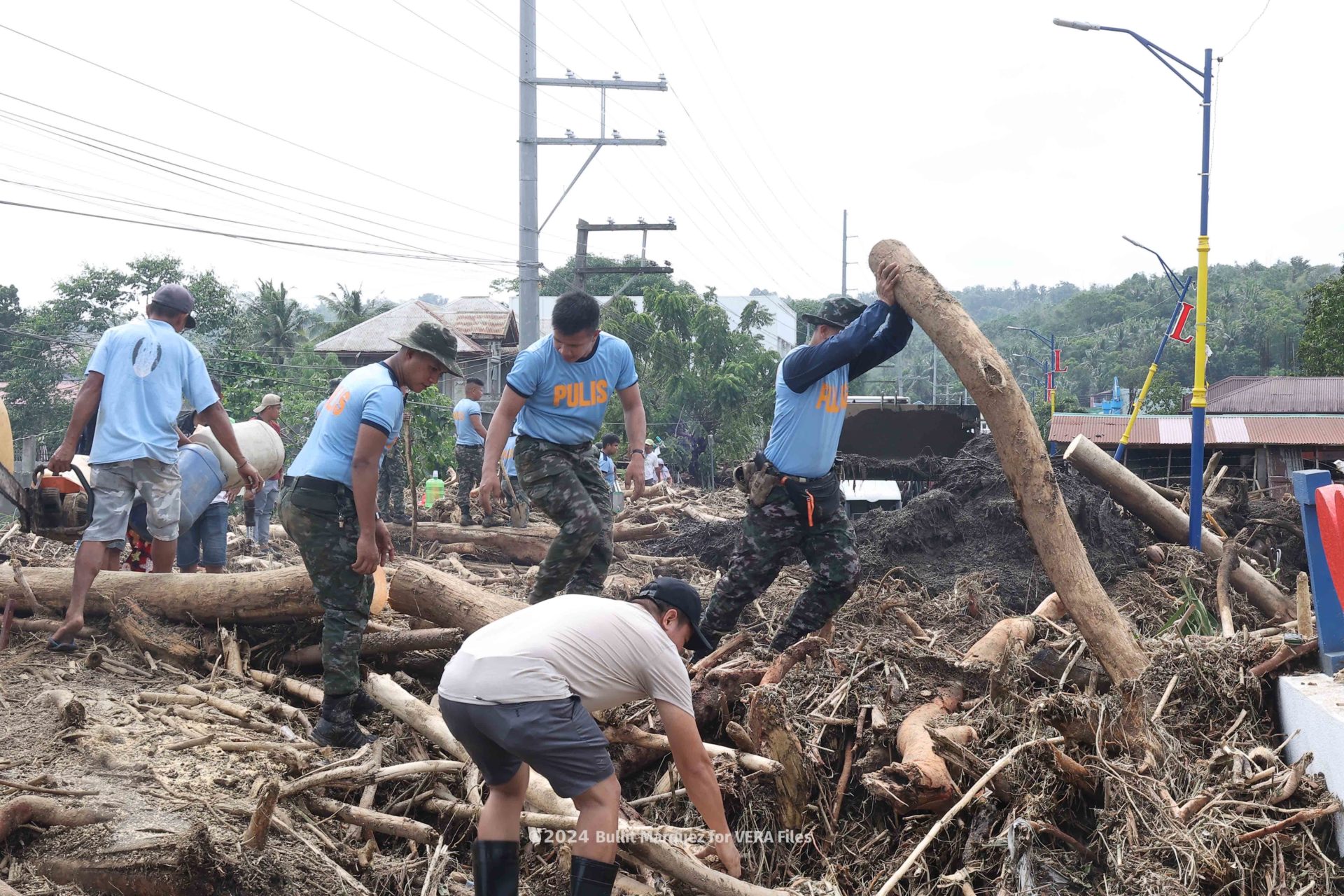
In view of the emergency situation, the NDRRMC, along with the local government and other various NGOs, have been working tirelessly to provide immediate relief. Emergency response teams have been deployed to affected areas to conduct search and rescue operations, deliver food, water, and medical supplies, and assess the extent of the damage. However, the scale of the disaster has posed immense challenges, stretching resources thin and leaving many in urgent need of assistance.
In the face of this disaster, our collective action can make a significant difference. Here are several ways to help those affected by Tropical Storm Kristine:
- Monetary Donations: The fastest way to be of help is to provide monetary assistance. There are many reputable organizations that are ready to provide immediate support for food, shelter, and medical supplies. Many NGOs, including the Philippine Red Cross, Habitat Philippines and local community organizations, have established funds specifically for disaster relief.
- Material Donations: While monetary donations are crucial, physical items such as clothing, hygiene products, non-perishable food, and water can also be of big help. The easiest way to support would be to unload your old clothes, and other extra items that could help tide calamity victims through.
- Volunteer Opportunities: Many organizations are looking for volunteers to assist with distribution efforts, clean-up operations, and rebuilding initiatives. Or you may organize your own small group of cleaners who can help in the relief effort.
- Awareness and Advocacy: Raising awareness about the effects of climate change and the increasing frequency of such storms can mobilize more significant support. Sharing information on social media platforms about how others can help can lead to long-term solutions for disaster preparedness and climate resilience.
- Support for Local Businesses: Many small businesses have been impacted by the storm. Supporting these local enterprises can help them recover and rebuild.
Tropical Storm Kristine left huge damages on Luzon, highlighting the vulnerability of communities to natural disasters exacerbated by climate change. There is another storm – code-named Leon – supposedly coming at the heels of Kristine. Understanding the broader context of climate-related disasters such as these tropical storms can help us respond to future crises better. We must continue learning about sustainable practices and disaster preparedness to empower our communities to better withstand future storms.
By coming together and providing support, whether through donations, volunteering, or advocacy, we can help those affected rebuild their lives and strengthen their resilience against future storms. Our collective actions, no matter how small, can contribute to a larger effort in recovery and rehabilitation, highlighting our shared humanity in the face of adversity. (For more on the subject, please read: Changing Paradigms of Climate Change.)
Cover photo courtesy of The Global Filipino Magazine. Other photos courtesy of Inquirer.net, ABS-CBN News, The Vera Files, Spot PH, GMA Network, DW and OneNews.PH. For a closer look, just click on the pic.
 Color My World