
(Late post)
In 2016, I was invited to Belfast to talk before a symposium-workshop on the peace-building efforts in Northern Ireland. The invitation was given in view of the Protestant/Catholic hostilities in Northern Ireland, and the stark similarities it had with the conflict between Christians and Moslem secessionists in the Philippines’ southern frontier in Mindanao. The topic on peace-building is something close to my heart, having worked for peace and reconciliation in Mindanao for years during my stint in the military. (Pls read: An Incomplete, Unfinished Peace.)
Belfast has long been a symbol of conflict between two communities: Protestants and Catholics. That said, the organizers of the conference led by Peter Sheridan and Dr Alan Largey could not help but draw parallels from the hostilities between Protestants and Catholics in Northern Ireland, to the religious and cultural tensions that have led to a tragic circle of violence in Southern Mindanao. My short stint in Northern Ireland allowed me to witness the complexities of the problem, feel the resilience of its people, and see the fascinating beauty of the land. And much like my dream for Mindanao, it also solidified my hope for lasting peace Northern Ireland, as well as in Gaza, in Ukraine, and in all the other places where guns continue to roar in anger.
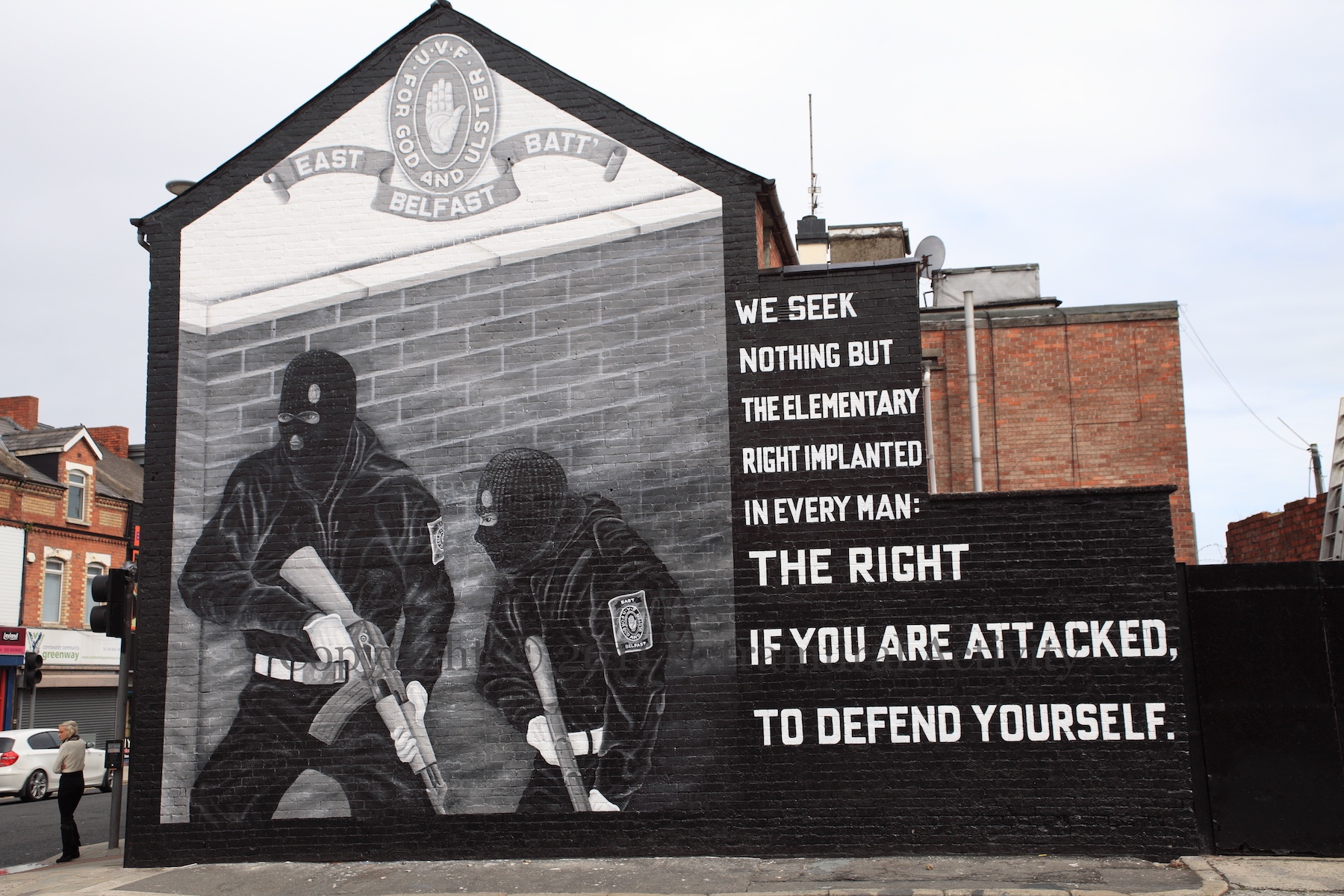
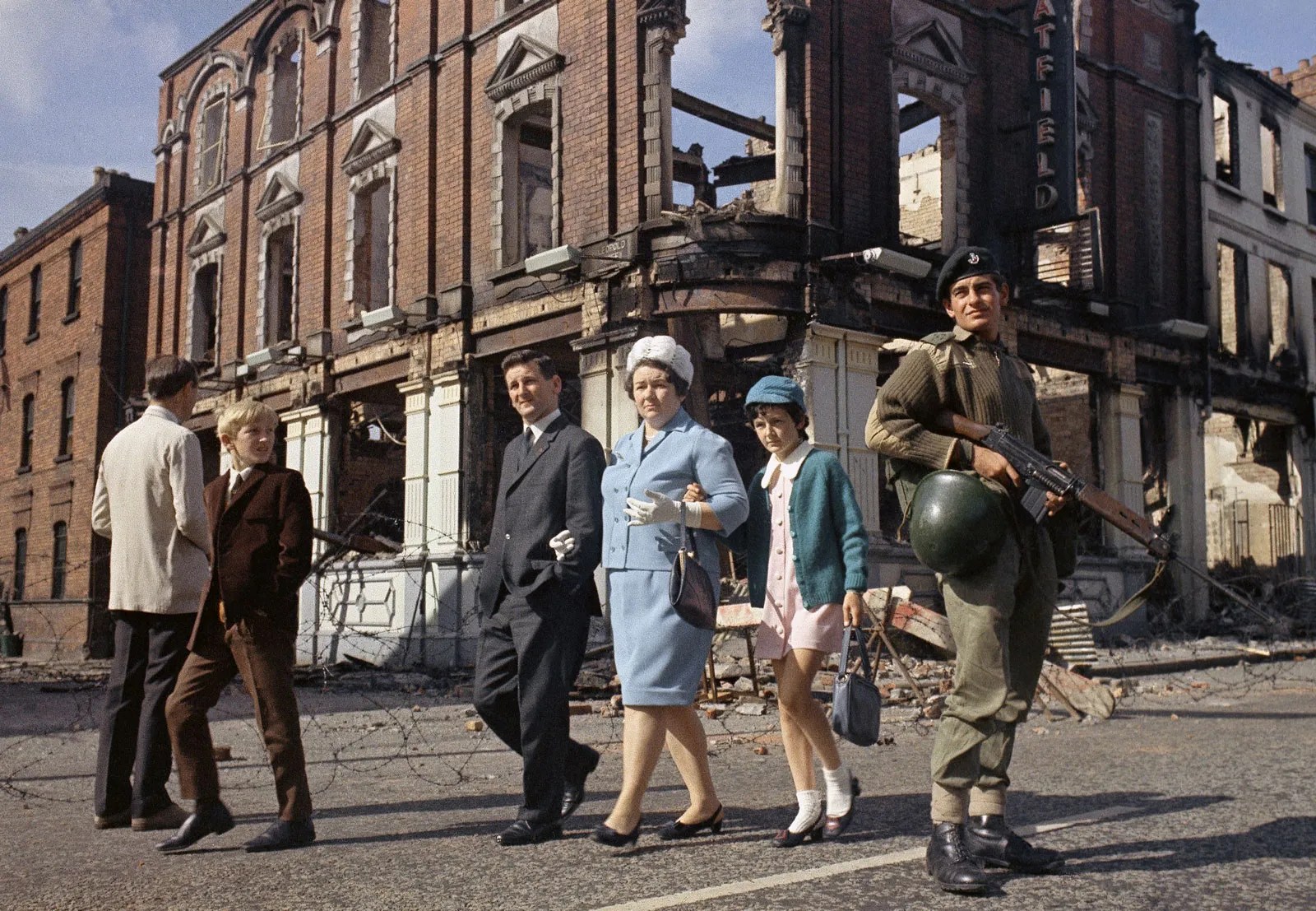
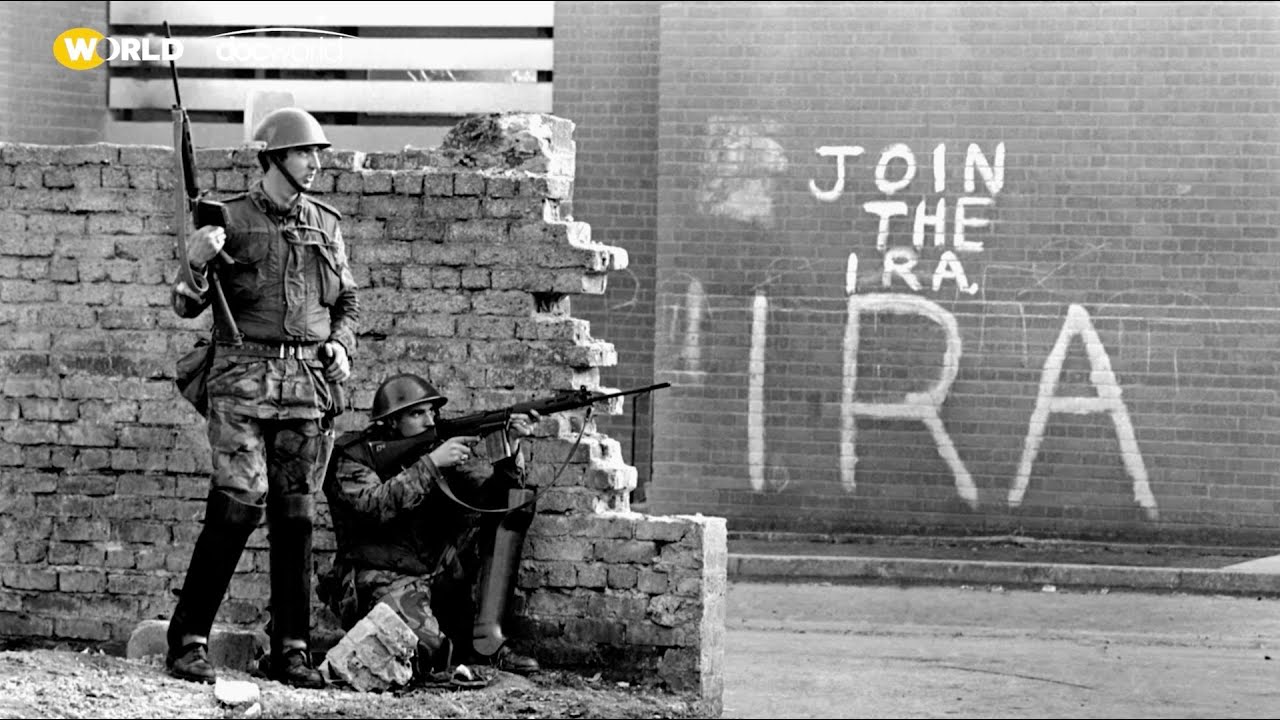
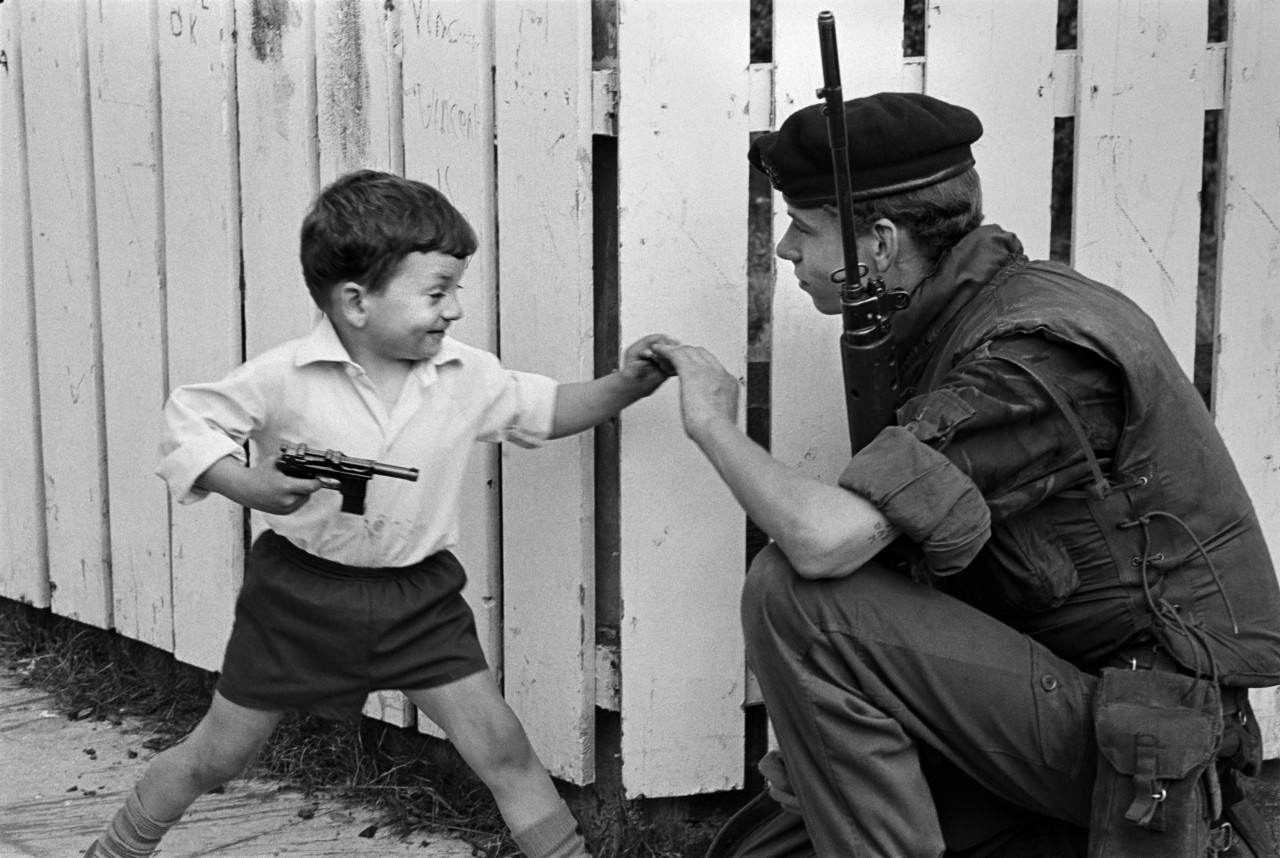
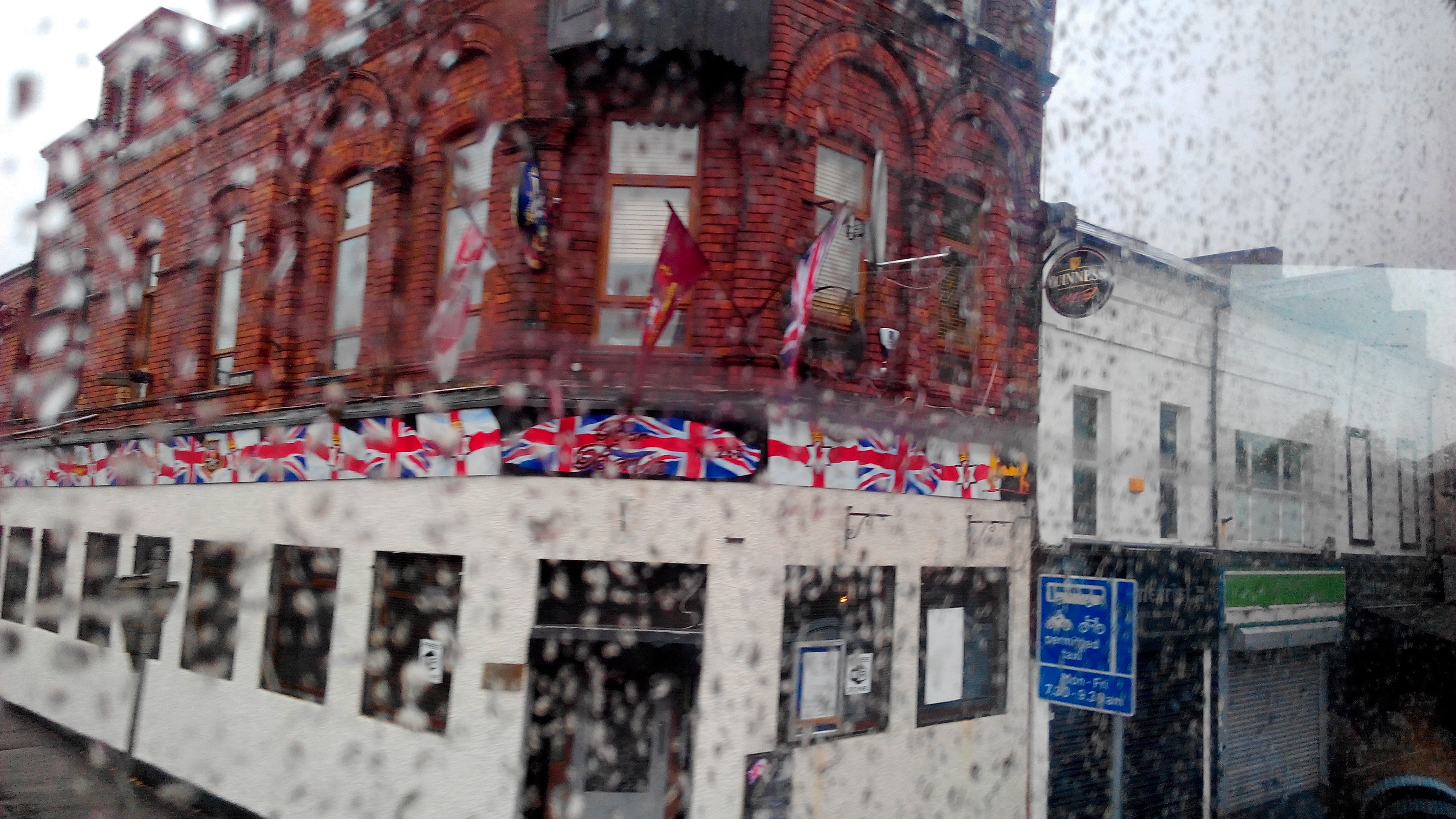
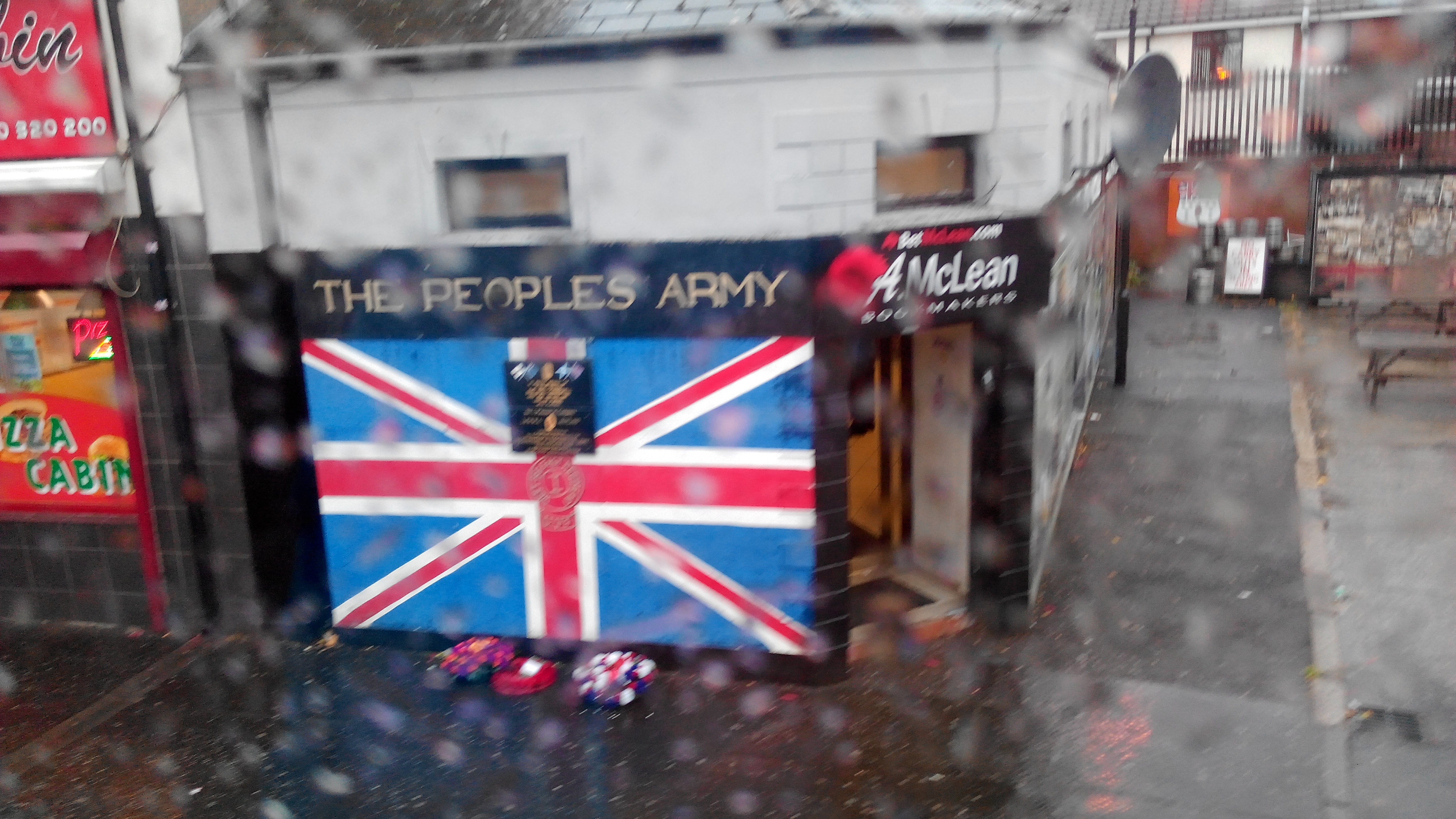
The Troubles, a violent conflict that spanned several decades, left deep scars on Belfast. While significant strides were made after the Good Friday Agreement of 1998, the journey toward genuine reconciliation remains full of obstacles and challenges. Segregation still persists in many neighborhoods, with “peace walls” marking the physical and psychological barriers between communities. As I strolled through the streets of Belfast, I was struck by the artistry of murals that tell poignant stories of both pain and hope. These vibrant expressions reflect a yearning for peace and understanding, yet they also serve as grim reminders of a violent past.
Efforts to foster reconciliation have long been initiated, with various community projects aimed at bridging divides. Interfaith dialogues, educational programs, and collaborations have emerged, encouraging both Protestants and Catholics to engage with one another. The workshop gave me a great opportunity to participate in numerous events where people from different backgrounds shared their experiences and aspirations for the future. The warmth and openness that I encountered – while at times exposing people’s vulnerabilities – were truly inspiring. This spirit of collaboration is vital for confidence-building and dismantling the stereotypes that have fueled animosity for generations.

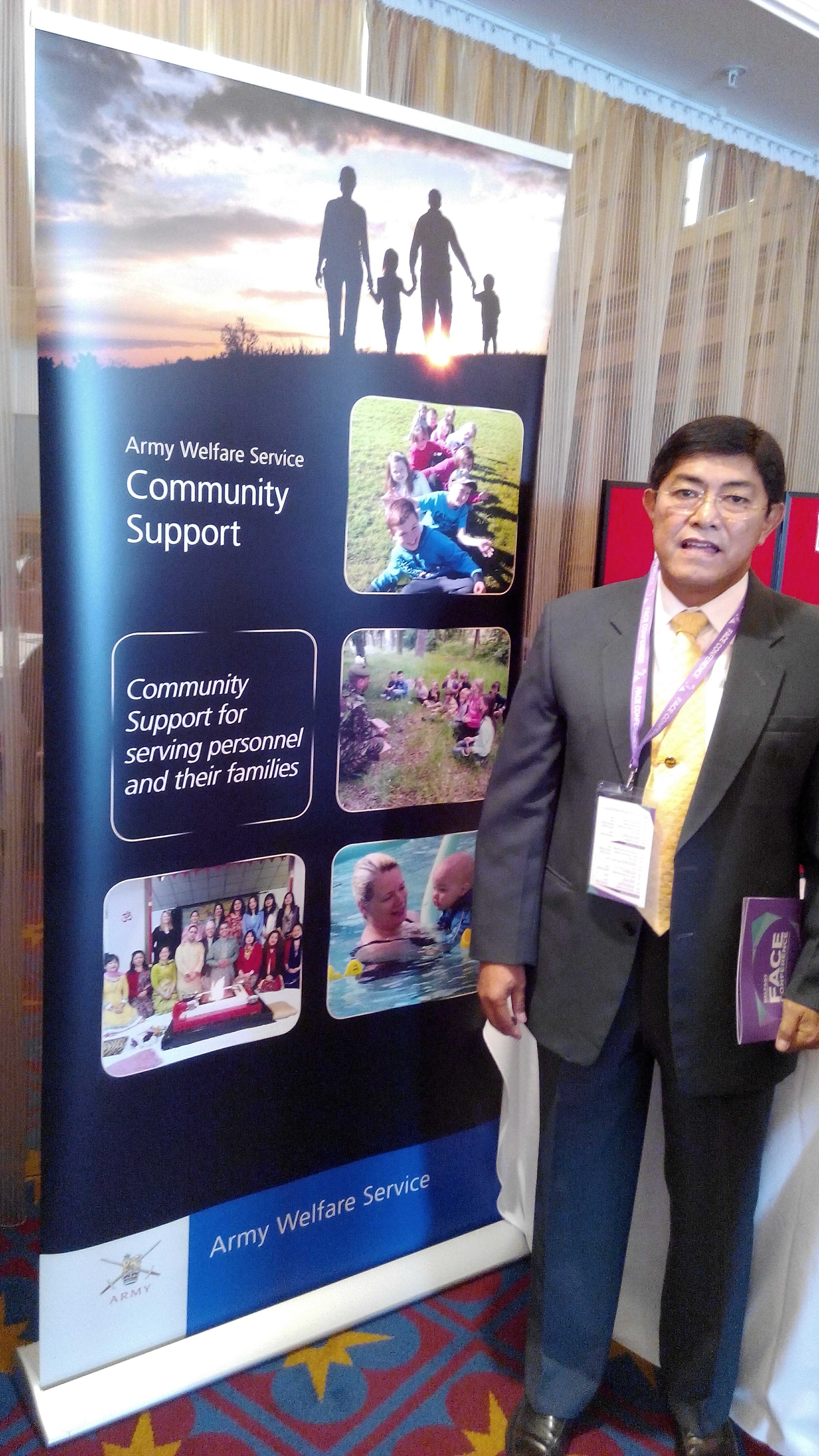


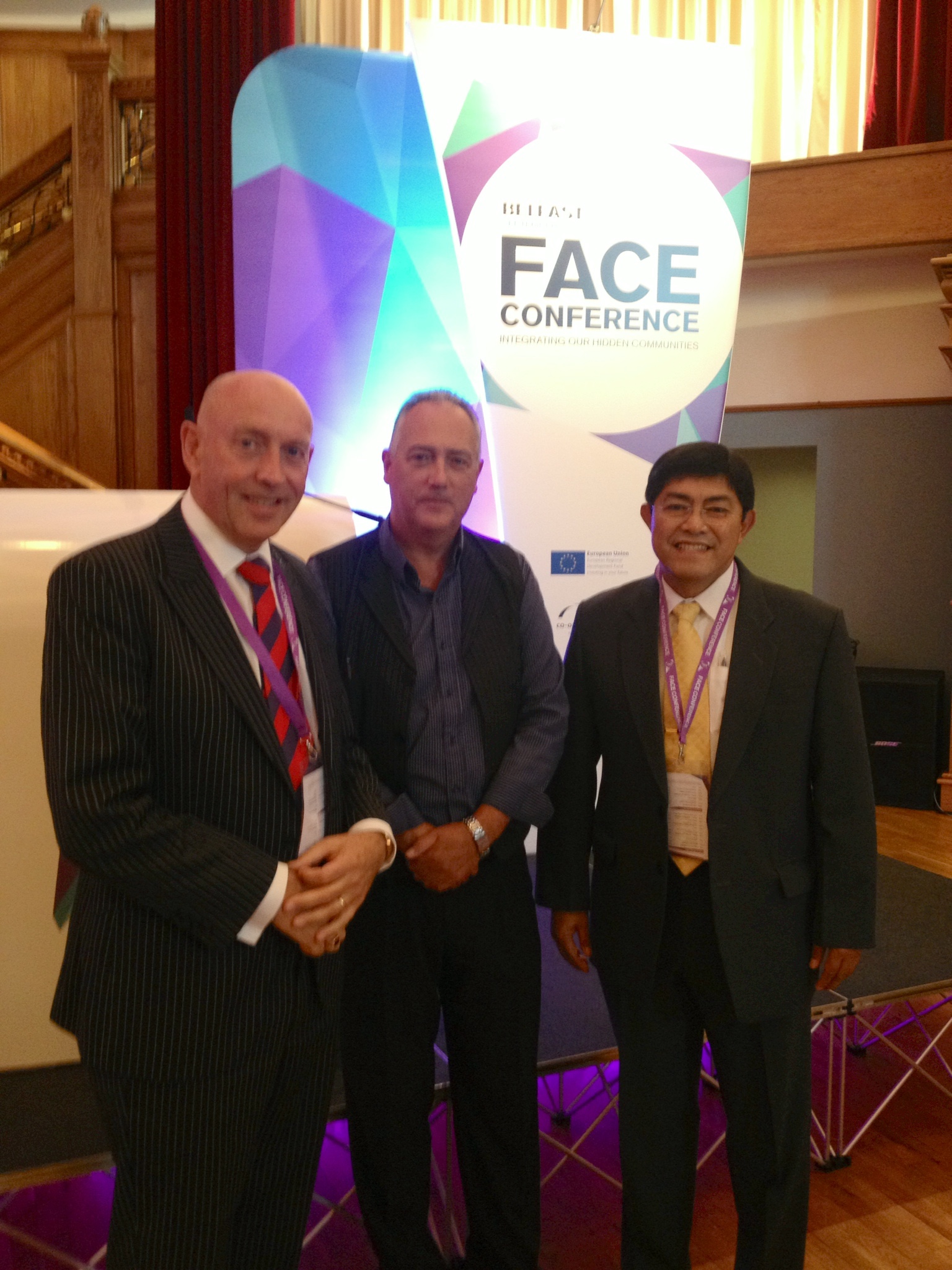

However, the path to peace is never linear. As I have stated in my earlier blog on the Ireland issue, the process of advancing peace cannot be likened to a sprint. It is a marathon, where constant conscious efforts are made to sustain the gains. Incidents of violence and sectarianism still occur, and political tensions continue to simmer beneath the surface. An incident, an injury, even a wrong remark can easily reignite old wounds. The ongoing struggle in Belfast reminds me of our own Southern Mindanao, where the conflict between Christians and Muslims are similarly driven by historical grievances, territorial disputes, and cultural differences. Both conflicts showcase how religious affiliations can become battlegrounds for deeper social and political issues.
In Mindanao, peace efforts have been challenged by fragmentation among various groups, each with their own agenda. Yet, like in Belfast, there are rays of hope, particularly for those who bring with them a sunny disposition and optimistic mindsets. Initiatives aimed at promoting dialogue and understanding have led to significant successes, such as the establishment of autonomous regions that recognize the rights and identities of diverse communities. The lessons learned from efforts like these can inject new initiatives for the ongoing reconciliation process in Northern Ireland. Hence, it is imperative that both regions continue to pursue avenues for dialogue that celebrate their unique cultural identities while fostering a sense of shared humanity.
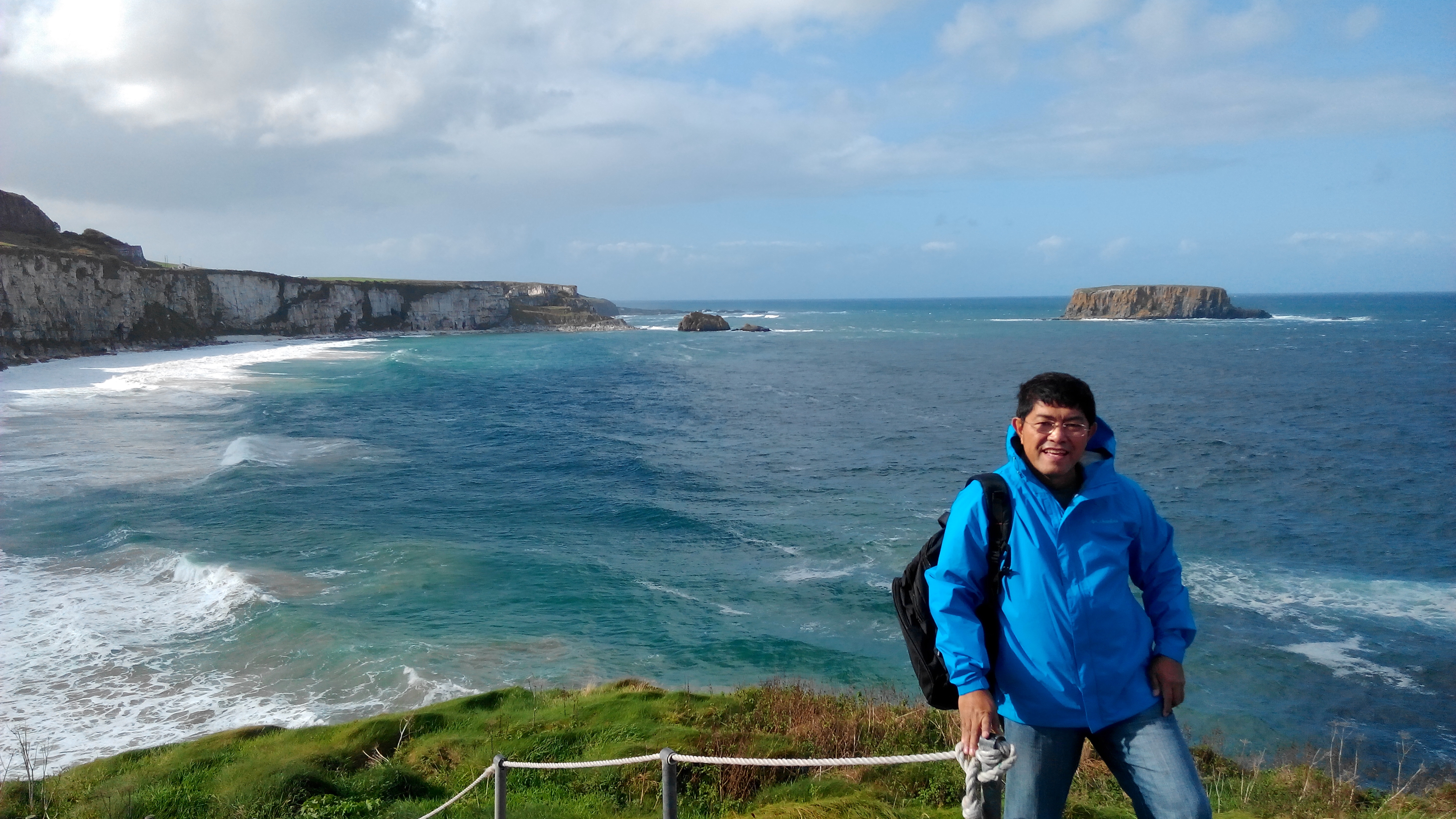
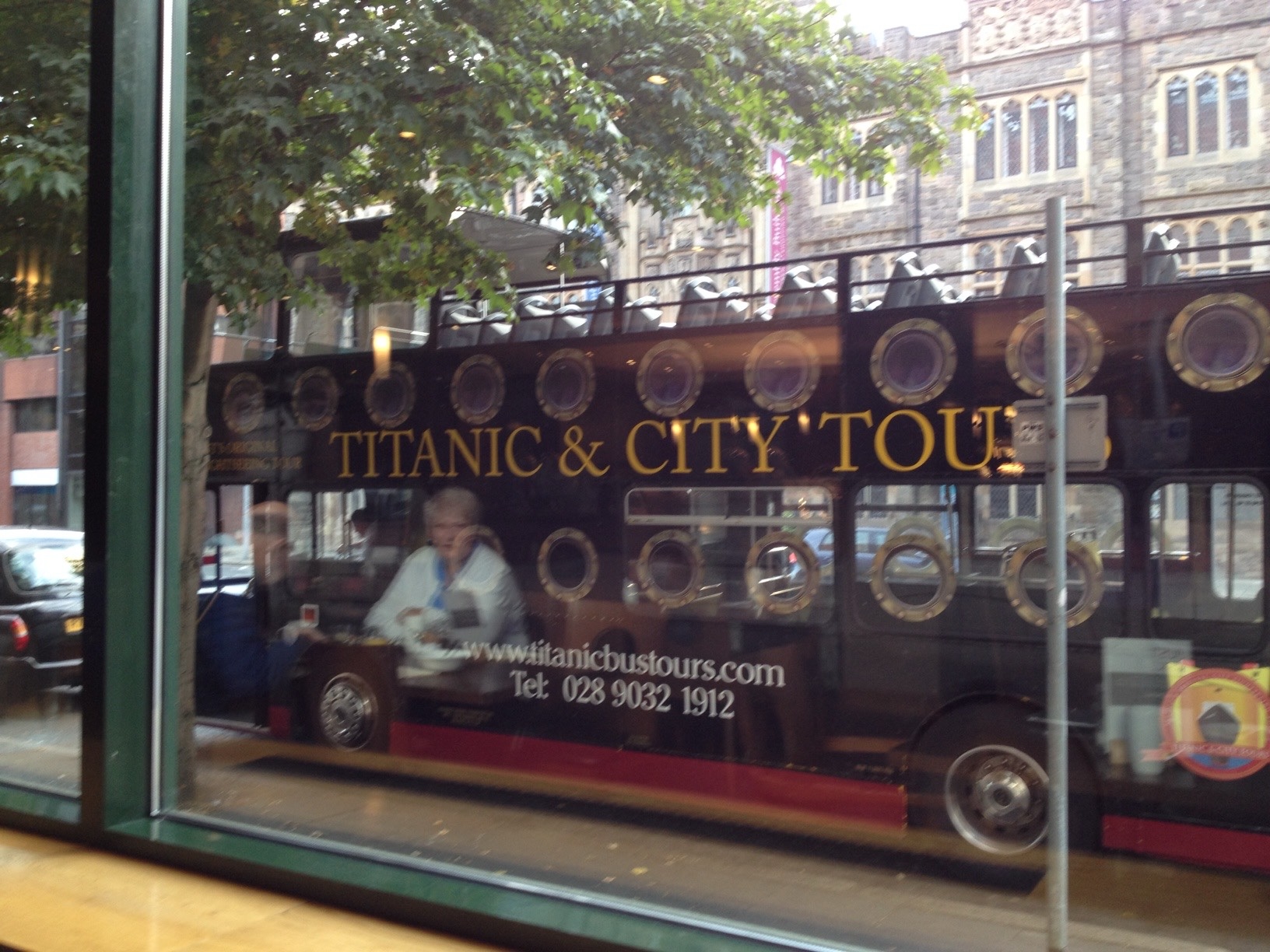
During my short vacation in Northern Ireland, I was also fortunate to explore not only the rich history of Belfast but also the breathtaking landscape that surround it. The Giant’s Causeway, with its stunning hexagonal basalt columns, left me in awe of nature’s artistry. The workshop was held in the Titanic Museum, where the narrative of innovation and tragedy unfolded, reminding everyone that even amidst the darkness, there can be a rebirth of hope. The warmth of the local people, their stories, and their laughter resonated deeply with me, creating a sense of belonging despite the city’s tumultuous past.


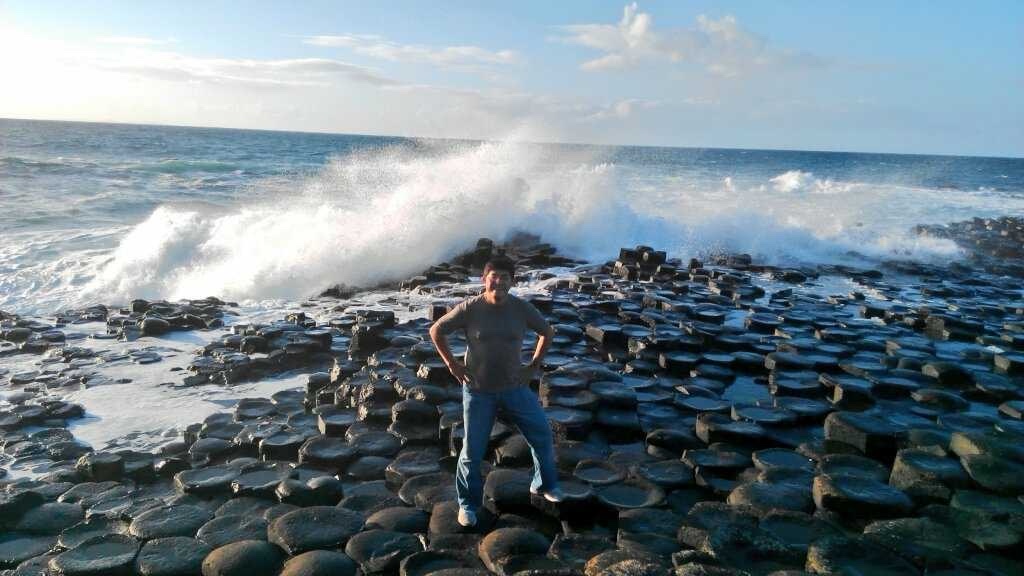



One of the most poignant moments of my trip was my visit to the Peace Wall, where visitors leave messages of hope and reconciliation. Standing there, I felt a profound connection to the aspirations of those who long for peace. My wish for Belfast is not just for the conflict to end, but for the blossoming of understanding, compassion, and a shared vision for a harmonious future. It is essential that the lessons of the past are not forgotten, but are instead used as inspirations for a foundation for healing.



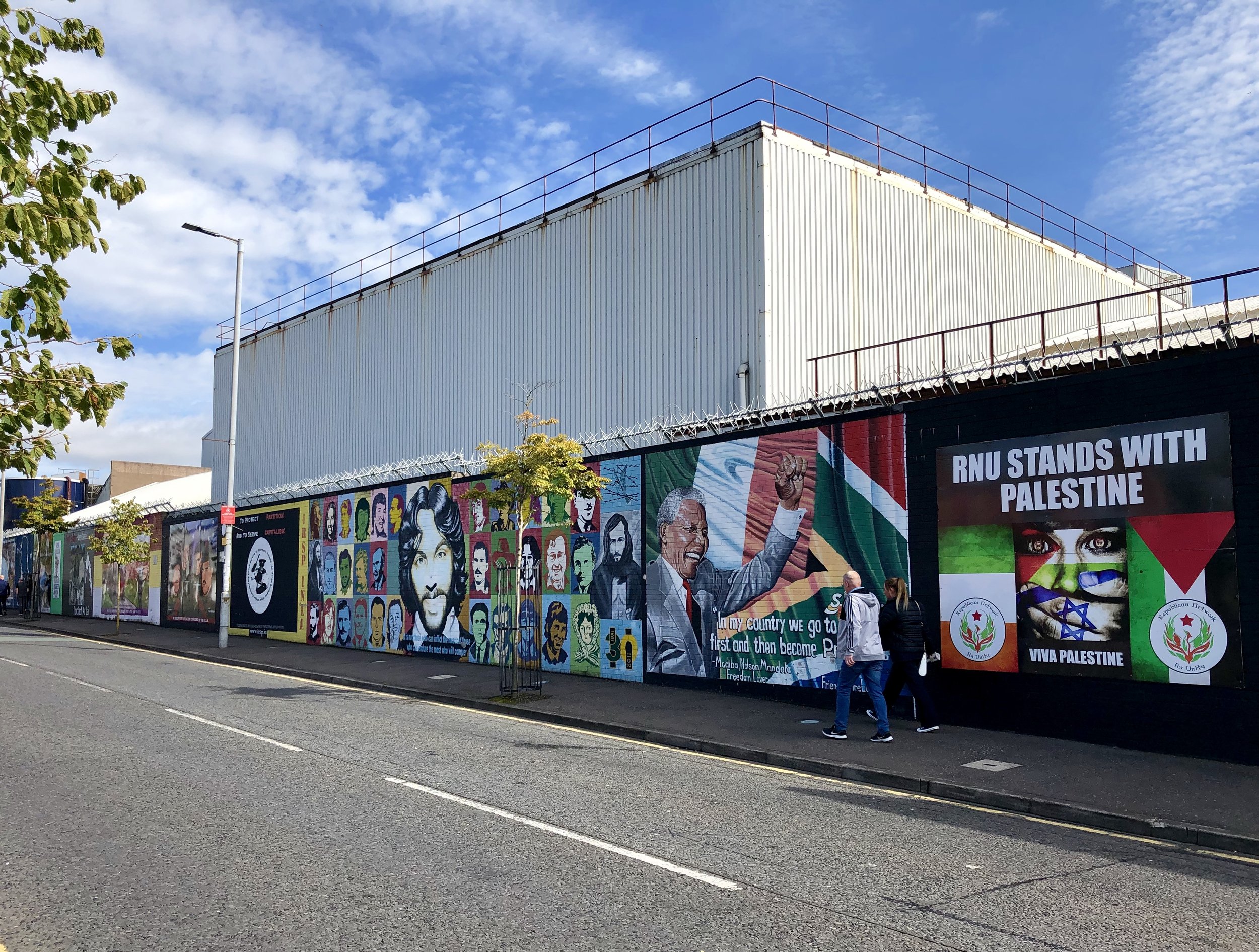
I left Northern Ireland with a renewed sense of hope. The efforts to stop the hostilities between Protestants and Catholics continue to move, but the resilience of the people and their commitment to peace are evident. I left inspired and optimistic that even the deepest divisions can be bridged through dialogue, empathy, and a willingness to listen and learn from one another.
My trip to Ireland was inspiring as well as humbling. I learned much from my gracious hosts. And I hope that the world can learn from the pain and misery that conflict brings, and that I may share the lessons of hope and understanding for our own Southern Mindanao. By recognizing our shared humanity and embracing our differences, we can hopefully create a future where peace flourishes. The journey may be long and arduous, but as I witnessed in Belfast, it is a journey worth undertaking.
Cover photo courtesy of Catalyst Planet. Other photos courtesy of cbholganza, Britannica, YouTube, Magnum Photos, Extramural Activities, Covering Religion, Viator, Ireland Before You Die, Cooperation Ireland, and FACE Programme.






I guess it was a beautiful trip! Well shared with beautiful photos
LikeLiked by 3 people
Thank you, Priti! It truly was.
LikeLiked by 3 people
💐
LikeLiked by 1 person
Thanks for your account of efforts to foster reconciliation and promote collaboration and the comparison to the Philippines. Nice to see an optimistic outlook.
LikeLiked by 2 people
Much appreciated, Don. One of the things I learned in regard to issues like this is that we can not afford to be cynical about it or lose hope. We just need to keep pounding.
LikeLiked by 1 person
Dear sacred soul my own journey through overt sectarianism and out into the world of duality and polarising inculcation has taught me many things. Not least of all that it’s always important to look at the underlying shadow underpinning conflict. In terms of the inculcated dynamic in Northern Ireland we have ethnic, religious, political and historical issues and many self serving and self limiting fairy tales which require a heightened degree of emotional intelligence to navigate with sensitivity and sensibilities. That said in NI the light in the darkness is that both Protestant and Roman Catholic come from the same faith. In the dynamic you refer to in your homeland your shadow driving conflict and tensions clearly have many of the issues relating to NI. However the great divide in your dynamic is Christendom and Mohammedan and whilst both are cited as being of Abrahamic origin. They are polar opposites in terms of rational and rationality. You see one seeks to liberate the other seeks absolute domination. NB I’m not referring to the governance models of those two positions for all governances is privy to the corruption and agendas of egoic and fallen mortals. No I refer wholly to the first principles of the new covenant and Islams book. One seeks harmony the other seeks domination. Harmony will always seek to create harmony with all, but a domination inclination will always seek to dominate and see those seeking harmony as weak. You may find the works of the late great Sir Dr, Dr David R Hawkins e.g. consciousness map and power v force helpful on this front. You see a dove can no more change into a rat nor would it want to than a rat can change into a dove. For there is a cosmic intelligence, an innate intelligence and an emotional intelligence to all things, all beings, all creatures, all teachings et al. The real key to the sacred journey of soul is not to get lost or get dragged onto the broad path by those who know not that the narrow path is the way, the truth and the life. Now and that being said it’s incumbent upon me to (a) apologise in advance if you find this offensive that’s not my intention and (b) to state that I loved the warmth and sincerity of your post dear sacred soul and that was the only draw that drew me to write this errrrrrrr rather wordy personal insight.
Therein be well, be love, be light always 🙏
LikeLiked by 3 people