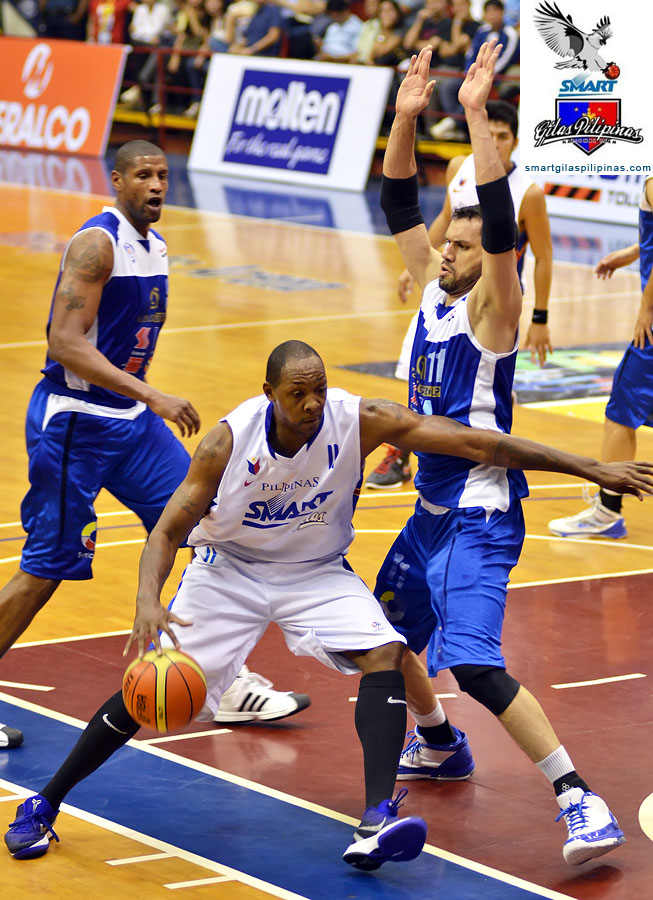
Things started to look bright for Philippine Basketball when the Samahang Basketbol ng Pilipinas (SBP) was created in 2007. SBP would be the country’s basketball body recognized by the FIBA. With support coming from business tycoon Manny Pangilinan, Smart Gilas Pilipinas (fondly called Gilas Pilipinas) was created in 2009, with a program that would hopefully return Philippine Basketball back to its glory days.
Gilas’ first target was to qualify for the London Olympics in 2012. They failed to qualify after finishing fourth in the 2011 FIBA Asia Championship. In 2013 however, the Philippines improved with a silver medal finish in the 2013 FIBA Asia Championship held in Manila, hence qualifying for the 2014 FIBA World Cup. Leading the campaign then were upcoming star Jayson Castro, plus veterans LA Tenorio and Jimmy Alapag. This 3-guard combo gave the opponents fits, as they could make the opposing teams pay with their speed, their passing ability or their superb outside shooting skills. They were ably supported by Marcus Douthit, a NBA veteran with the LA Lakers who became a naturalized Filipino citizen.
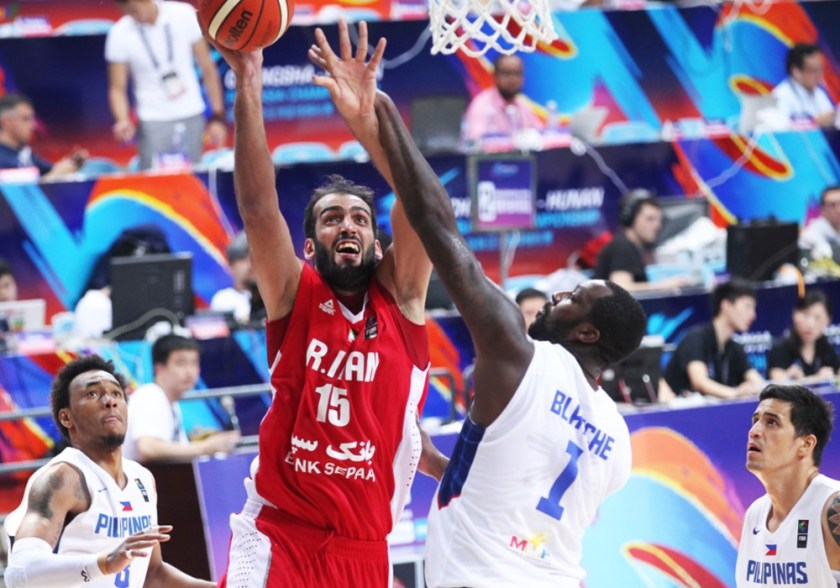
The 2013 FIBA Asia Championship was hosted by the Philippines in Manila. Douthit anchored the Gilas campaign and brought the team to the semis against South Korea, their perrenial tormentor. It was an emotional game for the Gilas, having to face a team they had not been able to break for more than a decade. Late in the game, Marcus got injured. Everything looked bleak, but his teammates stepped up, and Gilas defeated South Korea 86-79 to get into the finals. Gilas eventually finished the tournament with a silver medal, against a solid Iranian squad led by Hamed Haddadi, a 7’2″ center who had the distinction as the first Iranian to have played in the NBA.
Also starting to make a name for himself then was that gentle giant, June Mar Fajardo, who would collect – over the next years – 8 season MVPs, to totally dominate the race for most number of MVPs in the PBA. A far second to Jun Mar were Mon Fernandez and Alvin Patrimonio of circa 80s and 90s, with 4 MVPs each. Jun Mar’s dominance was clearly demonstrated with his harvest of 6 consecutive MVP awards from 2013 to 2019.
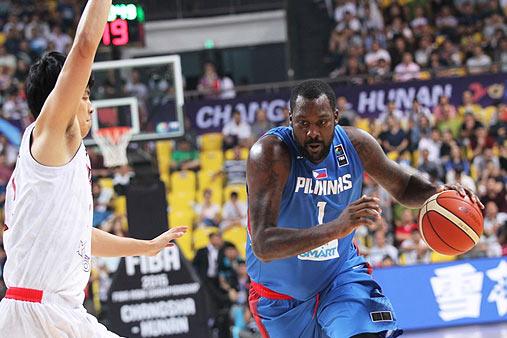
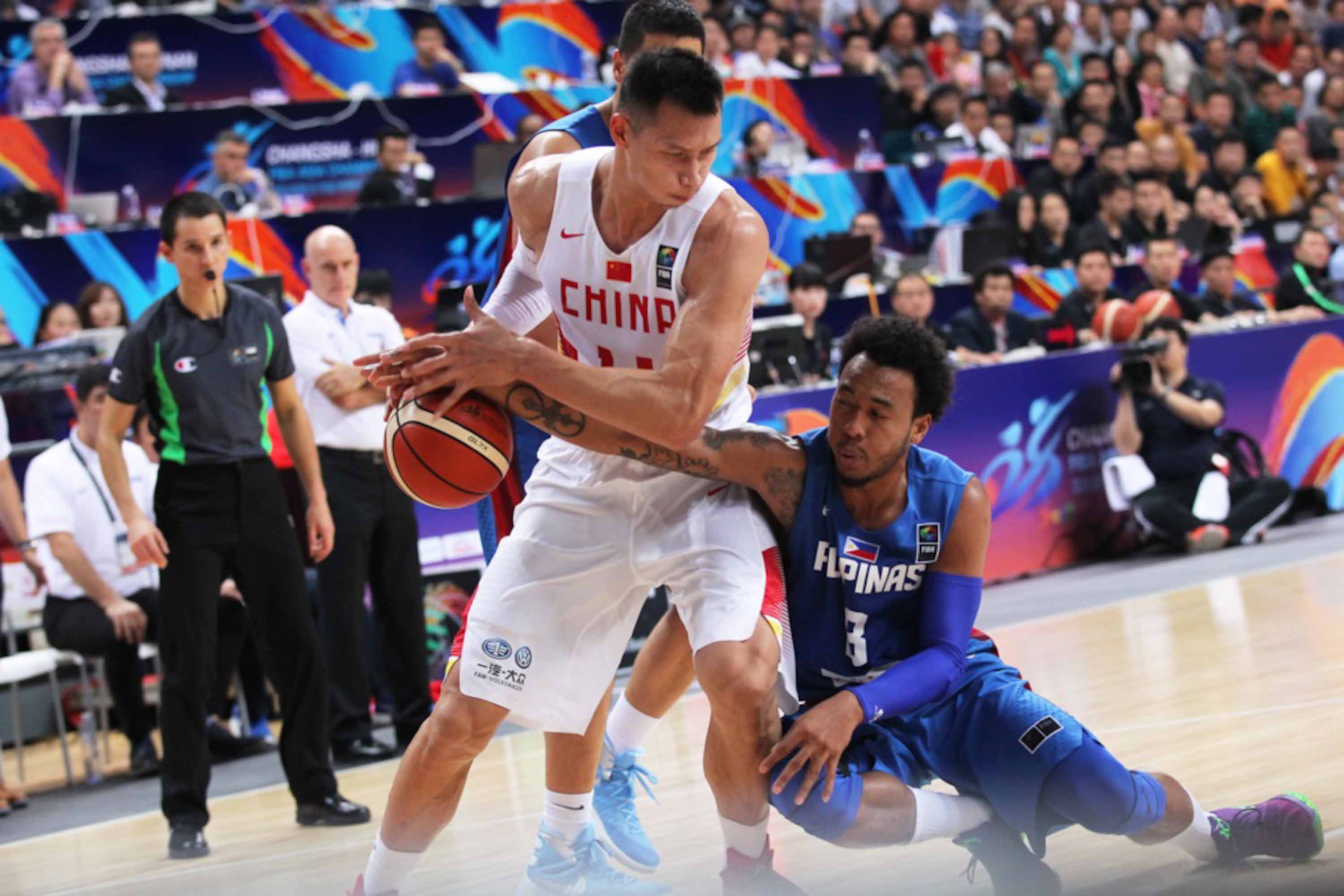
In the 2015 FIBA Asia Championship held in Hunan, China, the Philippines had to settle for another silver medal finish, this time bowing to the new Asian basketball powerhouse, China. China, led by another NBA journeyman Yi Jianlian, would take a 78-67 victory over a Gilas team that had Andre Blatche as its naturalized player. At the end of the tournament, the Philippines would improve its FIBA world rankings from 31st to 28th.
Also in 2015, the Philippine Basketball Association (PBA) honored the 40 greatest players in its 40 years of existence. The list automatically included the top 25 players listed in its 25th anniversary in 2000, hence only 15 slots were up for grabs for those who played in this era. The 15 selected players who were added to the original 25 were: 2-time MVP winners Danny Ildefonso, Willie Miller and James Yap; other MVP winners Asi Taulava, Eric Menk, Kelly Williams, Jayjay Helterbrand, Jimmy Alapag, Mark Caguioa, Arwind Santos; plus Jayson Castro, Marc Pingris, Kerby Raymundo, Chito Loyzaga and Marlou Aquino. Notable absentees in the list were the likes of Nelson Asaytono, Yoyoy Villamin and Abe King.
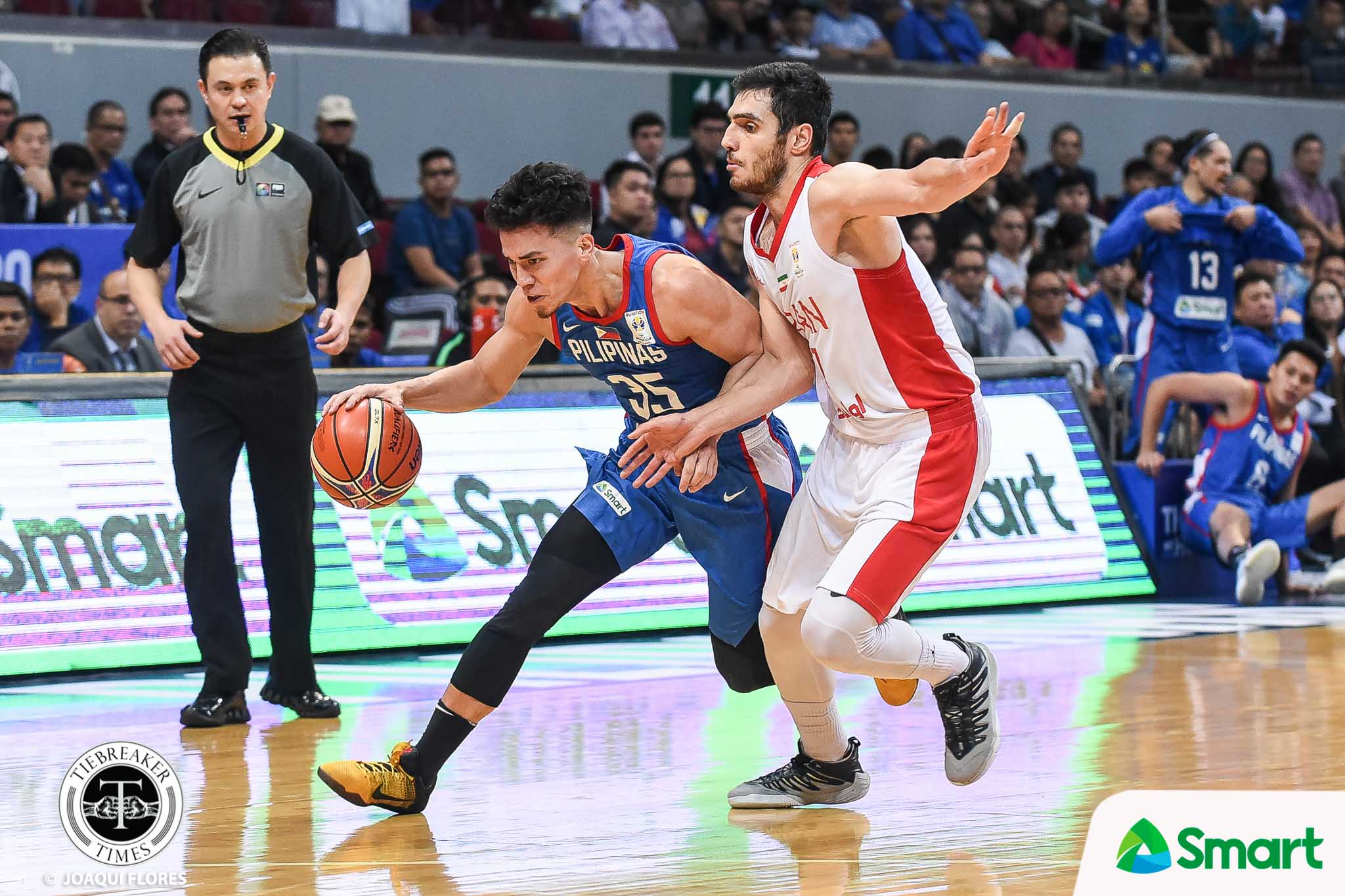
In 2017 however, the Philippines would be embarrassed by a vengeful South Korean squad 118-86 in the quarterfinals of the 2017 FIBA Asia Championship. This took us out of the medal race; with Australia, playing for the first time in the now- expanded Asia-Oceania zone, taking the crown against Iran.
Also in 2017, at the local front, another league was created to cater to the clamor to see more high-level basketball games in the provinces. The Maharlika Pilipinas Basketball League (MPBL), a brainchild of Senator Manny Pacquiao, would pave the way for other grassroots level leagues which would provide the stepping stone for provincial players to show their skills. The MPBL, with a built-in fan base in their respective areas, has since become a popular league in the provinces.
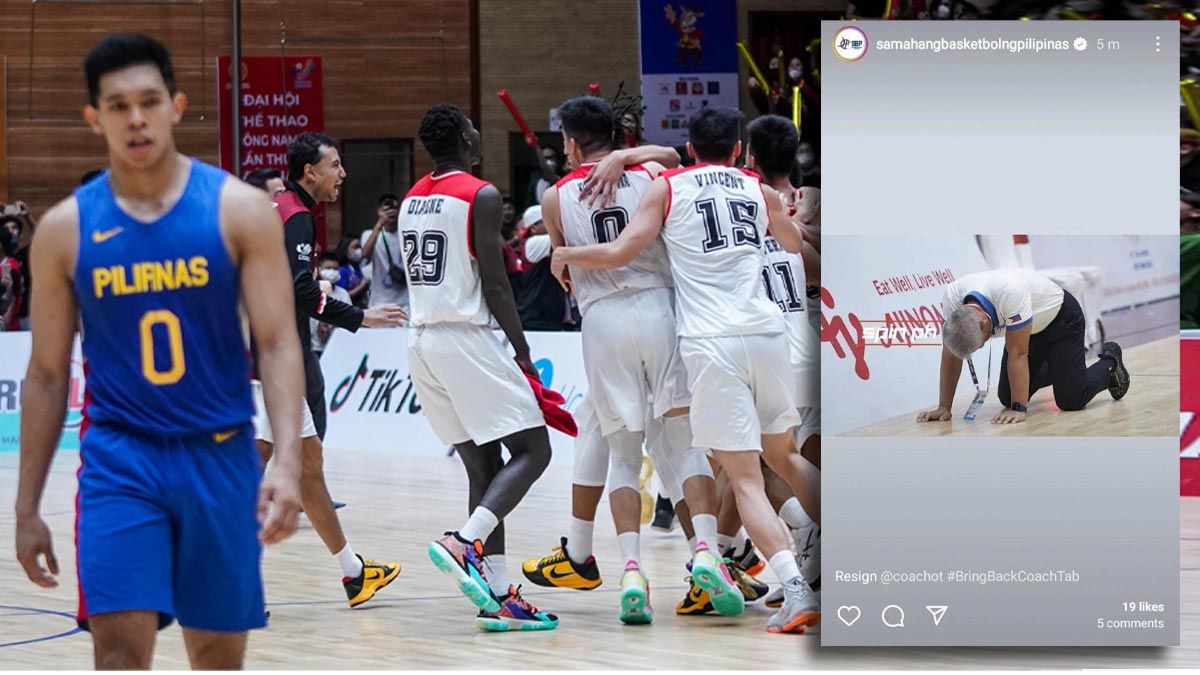
Under the Gilas program, the Philippines would dominate the Southeast Asian Games (SEA Games) men’s basketball, taking the gold medals in this biennial event from 1991 to 2019. This reign however would be broken in 2021 by a gritty Indonesian squad, a portent of things to come. Despite sending the country’s top professionals in the PBA, the Gilas squad lost. To the dismay of the rabid Pinoy cage fans. This, along with the debacle against Korea in 2017, would lead to a growing clamor for a coaching change.
Making a name for themselves during this period were the likes of Castro, guards Terrence Romeo and Matthew Wright, forwards Marc Pingris, Ranidel De Ocampo and Gabe Norwood, and that menacing enforcer, Calvin Abueva. These were the next batch of standouts who would lead the Gilas campaigns abroad.
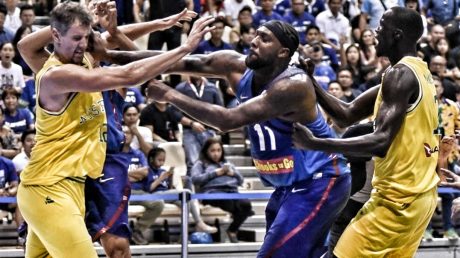
On 2 July 2018, in a match that was part of the 2019 Basketball World Cup Asian qualification process, the Philippines would be involved in a huge brawl against a heftier Australian national team. The game was held at the Philippine Arena in Bulacan, with Australia leading comfortably 89-53 with a minute left in the 3rd quarter, when the free-for-all ensued. Nine Gilas players and 4 Aussies were ejected as a result of the brawl. Both Basketball Australia and Samahang Basketbol ng Pilipinas (SBP) would apologize for the brawl.
As a result of the big fiasco, FIBA would impose sanctions on both teams. Apart from monetary fines (CHF 250T for the Philippines, CHF 100T for Australia), 10 Gilas players, Coach Chot Reyes and assistant coach Jong Uichico were given varying number of game suspensions. Calvin Abueva would be assessed the biggest number of game suspensions with 6.
Gilas Pilipinas qualified for the 2019 FIBA World Cup in China, but had a forgettable 32nd place finish. The silver lining there was that the Philippines would be awarded the hosting of the 2023 FIBA World Cup, with co-hosts Japan and Indonesia.
Heading into the 2020s, a new trend was opening for our local players, as professional leagues in neighboring countries started to grow. College standout Thirdy Ravena would pioneer the move to the Japanese Basketball League (B-League), with more stars now being lured by bigger monetary offers. Kiefer Ravena would follow suit, along with Bobby Parks, Kobe Paras, Matthew Wright and many more. Other standouts such as Rhenz Abando, SJ Belangel and Carl Tamayo would be imported by the Korean Basketball League (KBL). While Kai Sotto would have a stint with the bigger, brawnier Australian NBL before taking his talents to Japan’s B League. And on the women’s side, Jack Animam started to make waves in far-away Serbia, an indication that the Philippine brand of basketball was starting to get noticed in other parts of the world.
To be continued…
For Part 1, how it all begun, read: Philippine Basketball: A Historical Perspective (Part 1 – The Early Years)
For Part 2, go to: Philippine Basketball: A Historical Perspective (Part 2 – The 60s)
For Part 3, the pre-PBA days, pls go to: Philippine Basketball: A Historical Perspective (Part 3 – From the Mid-60s to the 70s)
For Part 4 on the turbulent 70s, read: Philippine Basketball: A Historical Perspective (Part 4 – The Birth of the PBA in the 70s)
For Part 5, pls read: Philippine Basketball: A Historical Perspective (Part 5 – A New Breed of Stars in the 80s)
For Part 6: Philippine Basketball: A Historical Perspective (Part 6 – Fusing the Old With the New in the 90s)
And for Part 7: Philippine Basketball: A Historical Perspective (Part 7 – Propelling the PBA to Greater Heights at the Turn of the Century)
Cover photo courtesy of Philippine Star. Other photos courtesy of Gilas Pilipinas Basketball, ABS-CBN, Dugout Philippines, Spin.ph, Get Real Post, X, Tiebreaker Times, Sports by Jude Bautista, The Daily Guardian and BusinessWorld. For a closer look, please click on the pics.







 Color My World
Java Bean: “Basketball looks like a fun game! So much running! I think the floor might be a little bit slippery though. Maybe they could try playing it on grass instead …”
LikeLiked by 1 person
yeah…. maybe we’ll try that! thanks for the idea.
LikeLiked by 1 person
That means the Philippines has a great capture on basketball . Well shared
LikeLiked by 2 people
Thanks, my friend! It is the country’s most popular sport. We take pride in the country’s cage achievements despite our players’ inherent disadvantage in height and heft.
LikeLiked by 2 people
Good 👍
LikeLiked by 2 people
Wonderful post 🌅🌅
LikeLiked by 3 people
Thanks mucho, my friend! I shall likewise be looking at your blog for more enlightening reads!
LikeLiked by 1 person