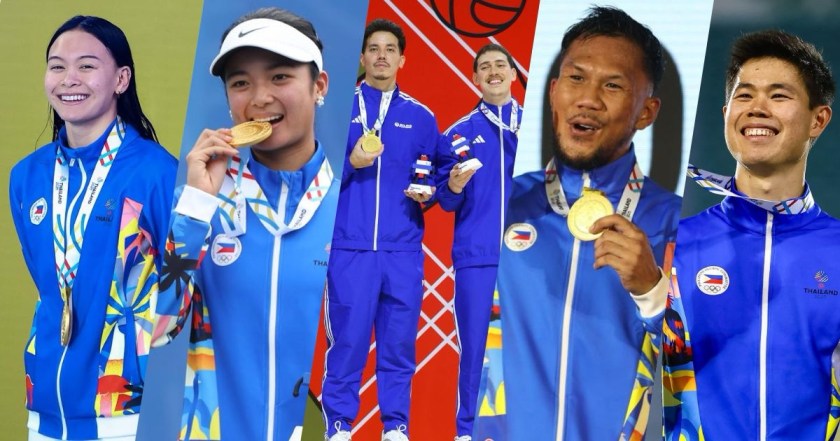
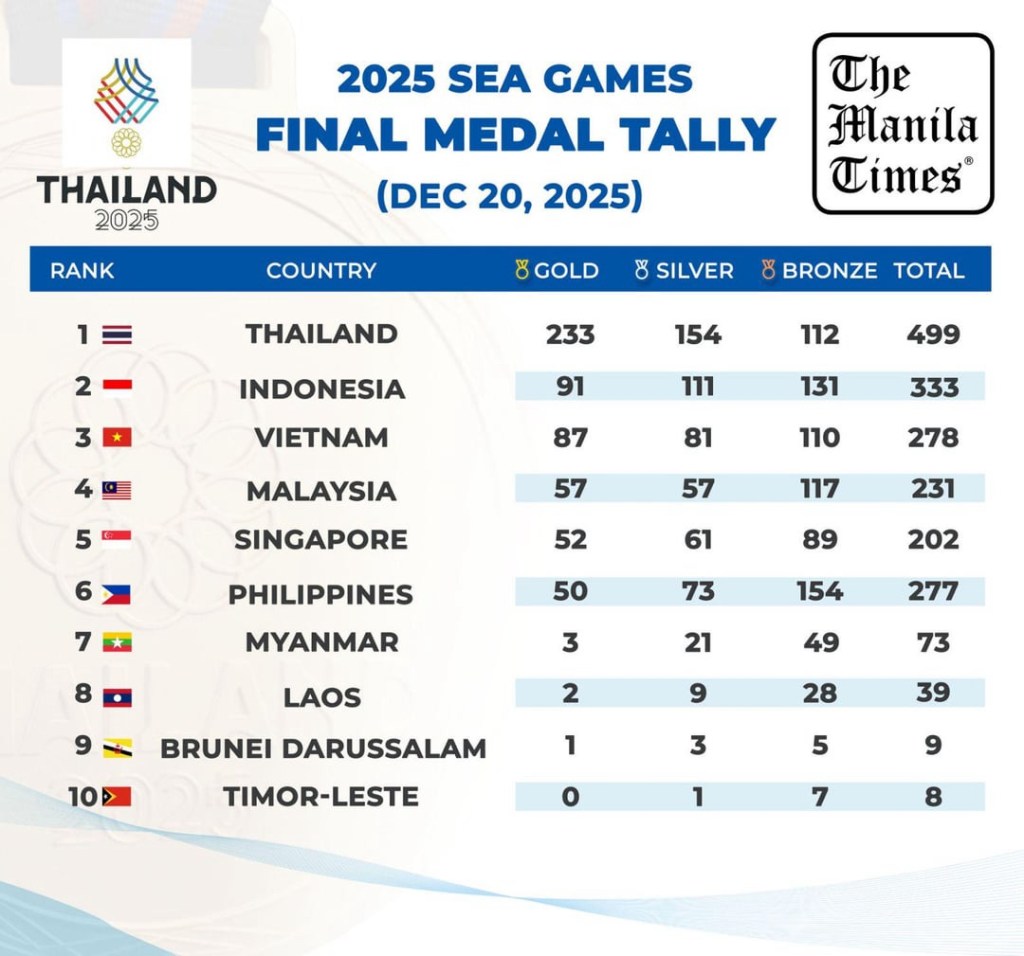
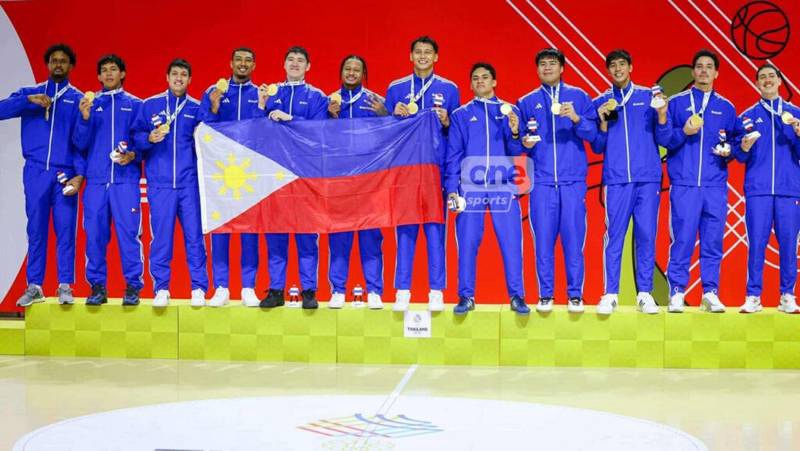
The Philippines finished 6th in the overall medal standings at the 2025 Southeast Asian Games, securing 50 golds. This result stands in contrast with the performance of some smaller or less populous neighbors – Thailand, Vietnam, Malaysia and Singapore – which tallied higher gold counts and, in the case of Thailand and Vietnam, more medals.
Philippine Olympic Committee (POC) president Abraham ‘Bambol’ Tolentino described the Philippines’ performance in the Thailand Games as a “very successful” campaign despite finishing in sixth place overall, and having targetted a total of 60 gold medals. Some groups however believe that the overall standing of the Philippines is unsatisfactory, and should be assessed more seriously.
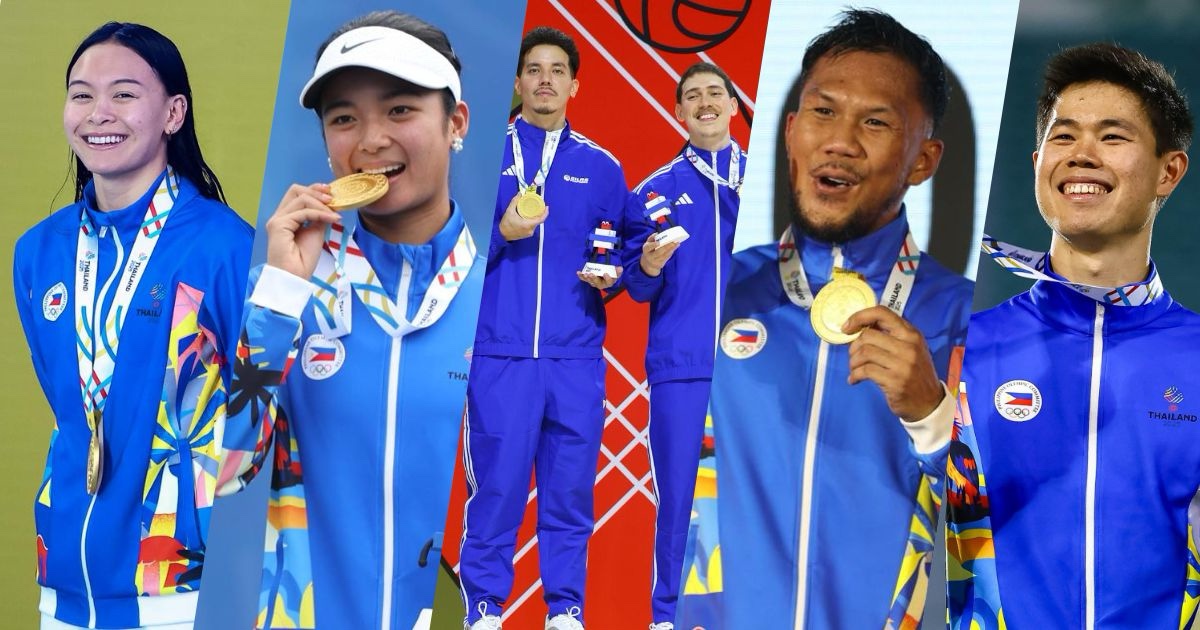
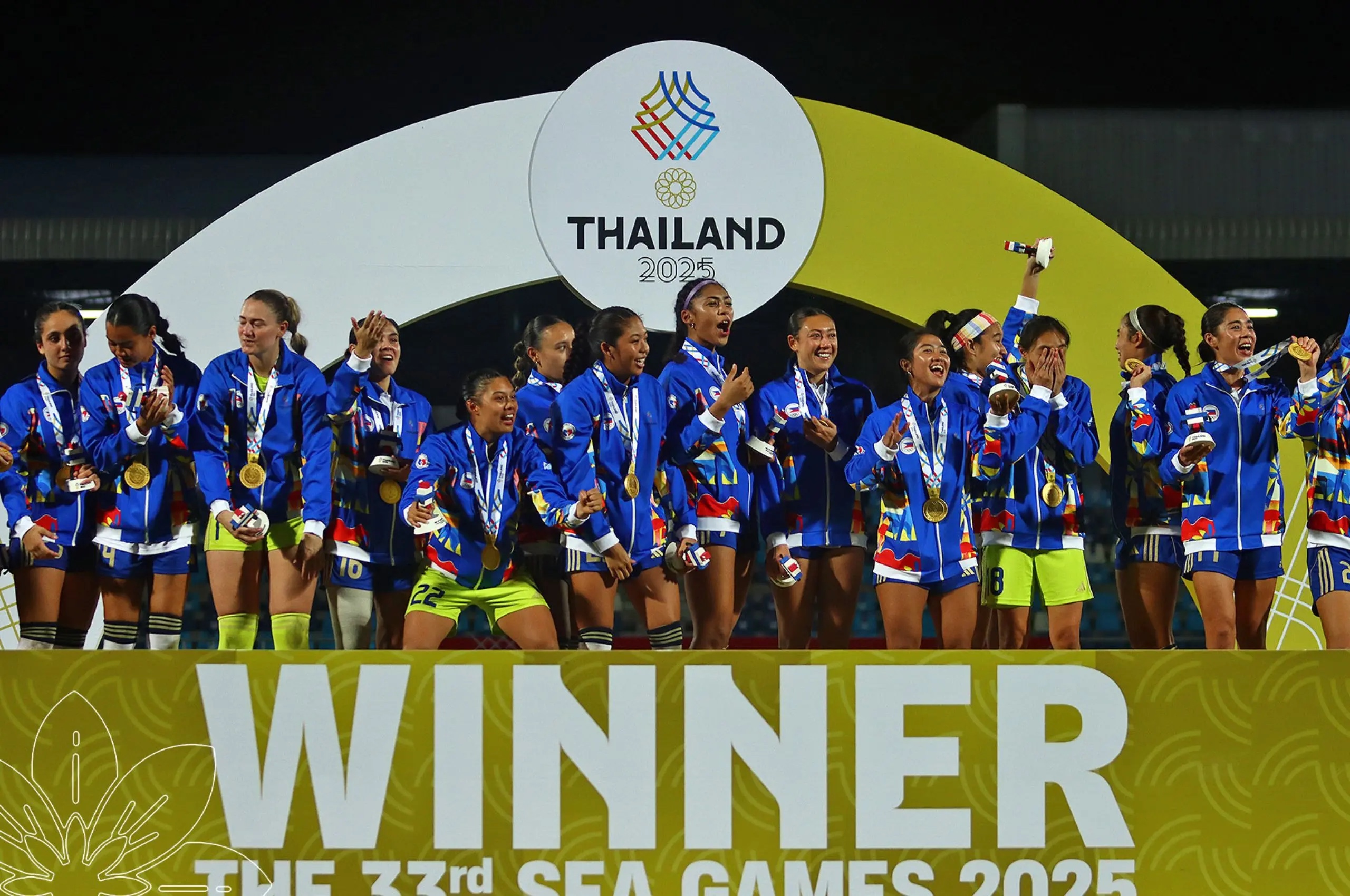
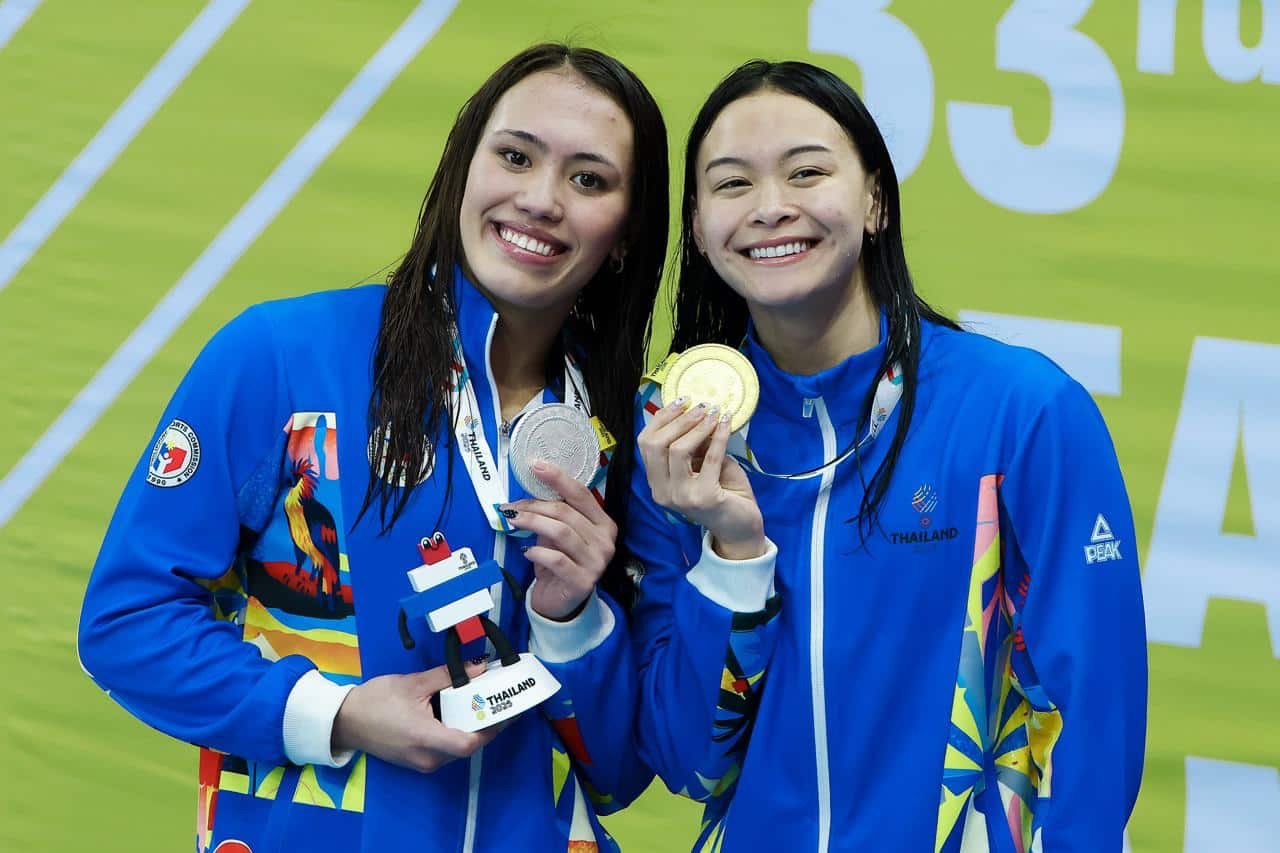
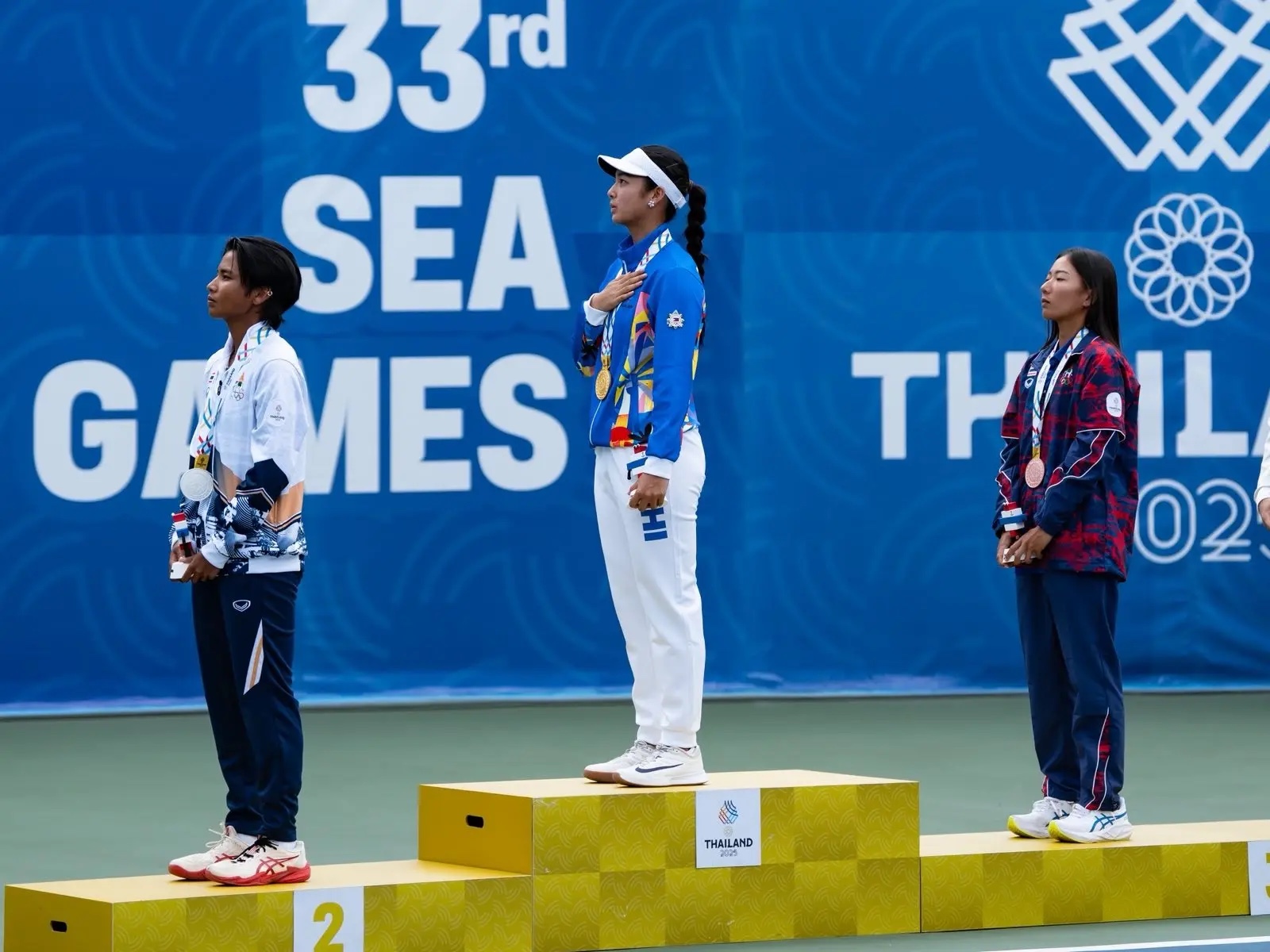
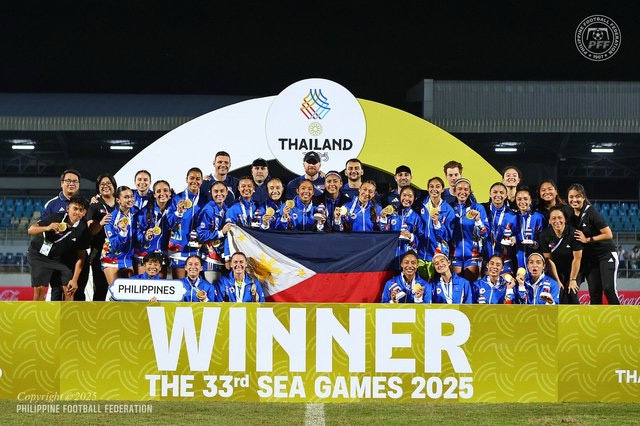
Whether the results are truly satisfactory is a matter of debate. Officials from other delegations articulated complaints of rampant homecourt decisions prevailing with the Thais officials. Be that as it may, the Philippines underperformed based on its potential, given its large population, and hence, a larger talent pool. While Tolentino focused on specific historic firsts – Alex Eala’s tennis gold, the Filipinas soccer gold, ditto with the Women’s beach volleyball gold – the overall performance, or the lack thereof, suggest that the country has not truly maximized on its potential with its talent pool here and across the globe.
But there were some other questions that were raised as well. Why did Caloy Yulo not perform for the country? His presence would not have only provided more gold/s, he would have bolstered the morale of his fellow gymnasts and the entire Philippine delegation as well. What was the fencing hullabaloo involving Richard Gomez’ athlete all about? What about the other non-performing National Sports Associations (NSAs)? What were their contributions to the overall run-up to the games? Should there now be a policy in place where for sports with no positive developments or accomplishments within a 2-3 year span, NSA leaders will have to step down? That should pave the way for new, dynamic leadership to step in.
A sober assessment suggests that there must be a serious confluence of strategic, developmental, and structural factors that must be put to bear in order to rise above what many observers feel is an underachievement for Philippine sports.
First, the scale and scope of investment in both elite and grassroots programs matter. Southeast Asian nations vary widely in how they allocate resources for sport development, talent identification, and high-performance training. While nations like Thailand and Vietnam have diversified funding streams and longer-standing pipelines for sports excellence, the Philippines has historically faced constraints in sustained funding, especially for non-mainstream sports or events beyond the more popular sports such as basketball, boxing and athletics. In the run-up to 2025, some programs may have experienced funding gaps or shifting priorities, limiting the depth of preparation across a broad slate of events.
Second, the development of athletes across a wider array of sports has implications for medals. A 50-gold haul implies a strong core in a few disciplines, but it also reflects gaps in other sports where regional rivals excel. Countries with targeted specialization—investing early in sports with established regional success—can accumulate more podiums even if their population base is smaller. Conversely, the Philippines’ strengths have traditionally centered on basketball, athletics, combat sports, and other team-based disciplines. If those programs did not perform to expectations or if competition in those core sports intensified, total medal counts could suffer. A more diversified but deeper talent pool requires significant resources and longer maturation cycles.
Third, the coaching and athlete development ecosystem must be considered, to include sports nutrition. High-performance results hinge on quality coaching, access to world-class training facilities, sports science support, and consistent competition against strong peers. If the Philippine system faced disruptions—coaching turnover, facility modernization timelines, or inconsistent access to international competition—athletes might not optimize peak performance windows. Neighboring nations that regularly expose athletes to high-level regional and global competitions can accelerate improvement through experiential learning and benchmarking.
Fourth, preparation time and athlete readiness relative to competition windows can influence outcomes. The SEA Games schedule, qualification pathways, and regional prep camps require careful planning and continuity. Any fragmentation—be it late selection, travel constraints, or inconsistent training cycles—can blunt performance. Take the case of women’s volleyball. While many hoped for a podium finish for our ladies, the PVL’s late tournament finish apparently did not bode well for the women’s volleyball team’s focus. In a multi-sport event, even a few underperforming athletes in high-profile sports can affect overall medal tallies.
Fifth, the relative strength of rival programs shapes medal standings. Notwithstanding the strong cries of hometown decisions in the part of host Thailand, other countries such as Vietnam, Indonesia, Malaysia and Singapore, have shown sustained improvements in certain events. These were supported by targeted national strategies, sustained private sponsorship, and data-driven performance analysis. Singapore’s emphasis on sports science and elite development, Malaysia’s expanding multi-sport investment, and Vietnam’s rapid gains across weightlifting, athletics, and martial arts illustrate how coordinated national plans can yield results. The Philippines’ challenge is to identify these potentials early, and translate them into consistent medals across a broader spectrum of disciplines.
Finally, and perhaps most important of all, the development of a sustainable and long-range development program that goes beyond a national presidential cycle. Everytime a new president comes in, a new Philippine Sports Commission Chairman is appointed. He then mandates his own plans, but their implementation period ends once the new president and his appointed PSC Chairman step in. There is a new direction, new programs, new favorite sports that suddenly come into fruition. All these will not be helpful for the overall growth of Philippine sports.
In fairness to the present PSC Chairman Pato Gregorio, it is widely accepted that this batch of athletes had much better morale due to the support given by the PSC, and by extension, from the private sector support he generated (most significantly, the MVP group of companies). Chairman Pato is only in his first year as head of the agency, hence he definitely has his work cut out for him.
PSC insiders report that Chairman Pato is lining up more National Academy of Sports (NAS) satellites all over the archipelago to harness the inherent interests and talents of the different regions. Partnerships with the Education Department, with the PRISAA, etc are in the works. Sports for out-of-school youth will also be on the table with talks with the LGUs.
Looking forward, there is definitely a need for systemic improvements in sports development. And there are actionable steps the Philippines can consider to strengthen future SEA Games performances: re-commit to a long-term, sport-wide development plan with stable funding; prioritize coaching quality and sports science integration; expand grassroots participation to widen the talent pool; and establish robust performance analytics to guide selective investment in high-potential sports.
By fostering a more resilient and data-driven ecosystem, the country can convert its promising athletes and teams into a more consistently medal-winning program at the SEA Games and beyond.
Here’s to a better performing Philippine team in the SEA Games 2 years from now.
Cover photo courtesy of GMA Network. Other photos courtesy of Facebook, GMA Network, Instagram, ABS-CBN, Inquirer Sports, The Manila Times and The Voice Weekly. For a closer look, just click on the pics.

 Color My World