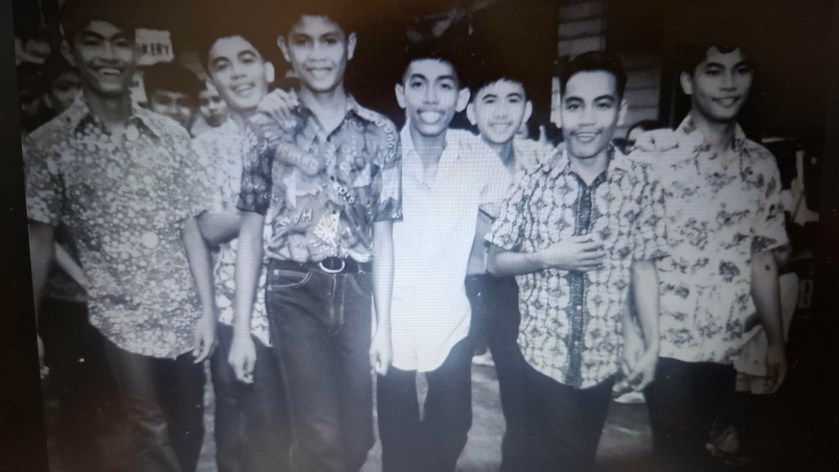
(8th of a Series)
From Grades 2 to 5, I studied at Lourdes School in Quezon City. It was a good private school which provided me a great academic foundation. I was never an outstanding student, but I was a consistent Honor Section student where the top students of the class were assigned. Occasionally, I’d get a medal here and there, but by and large, I was simply cruising.
In Grade 6, due to the family’s financial difficulties as a result of Papa’s ill-fated PAL strike then, I was transferred to a small parochial school which had so-so academic standards. But precisely because the standards in Ermita Catholic School were not as high, I was now competing with the top students of the class. And our 6th Grade teacher, Ms Chan, saw that I had great potential. It was Ms Chan who gave me so many golden opportunities to learn and excel, and she inspired me to study harder and aspire for higher goals. It was also from Ms Chan that I learned the basics of leadership, integrity and responsibility, while developing my self-confidence.
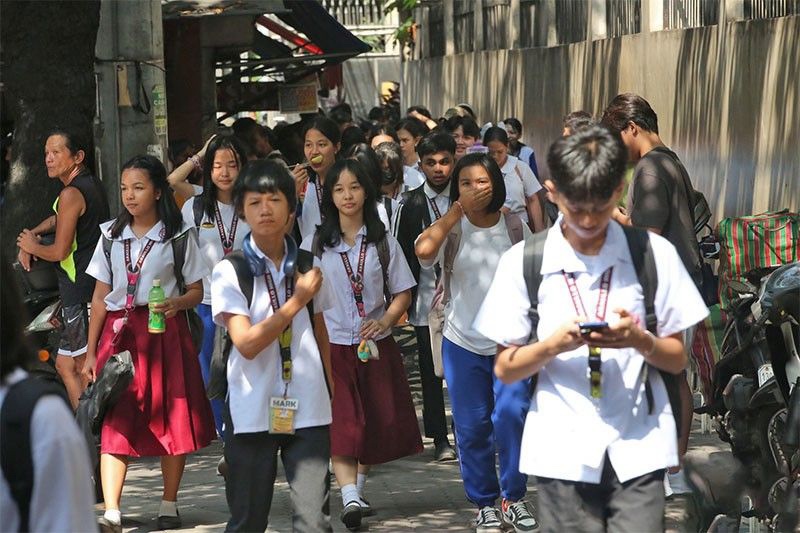
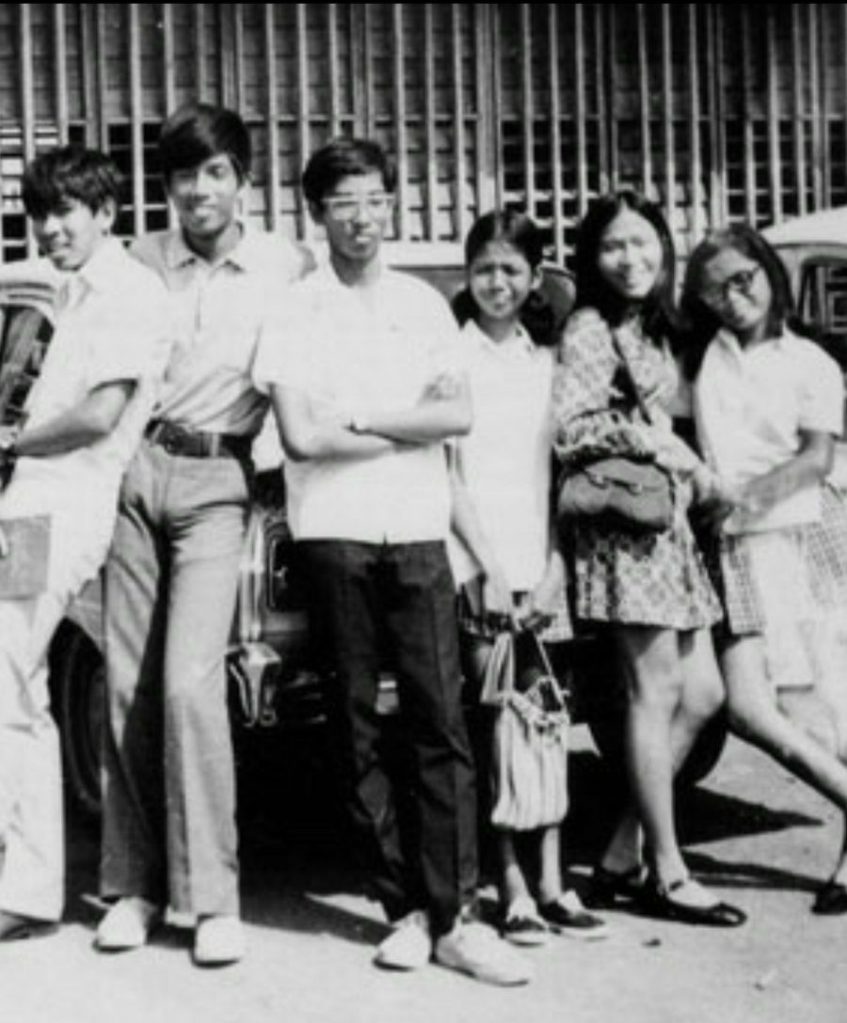
This would bear fruit as I would pass the entrance exam for the Philippine Science High School, the country’s most prestigious high school. At Philippine Science (fondly called Pisay), all students were government scholars. For the first time, I became independent of my parents, as my schooling and my board and lodging were all provided for. And I even had a small stipend that afforded me some conveniences at Pisay.
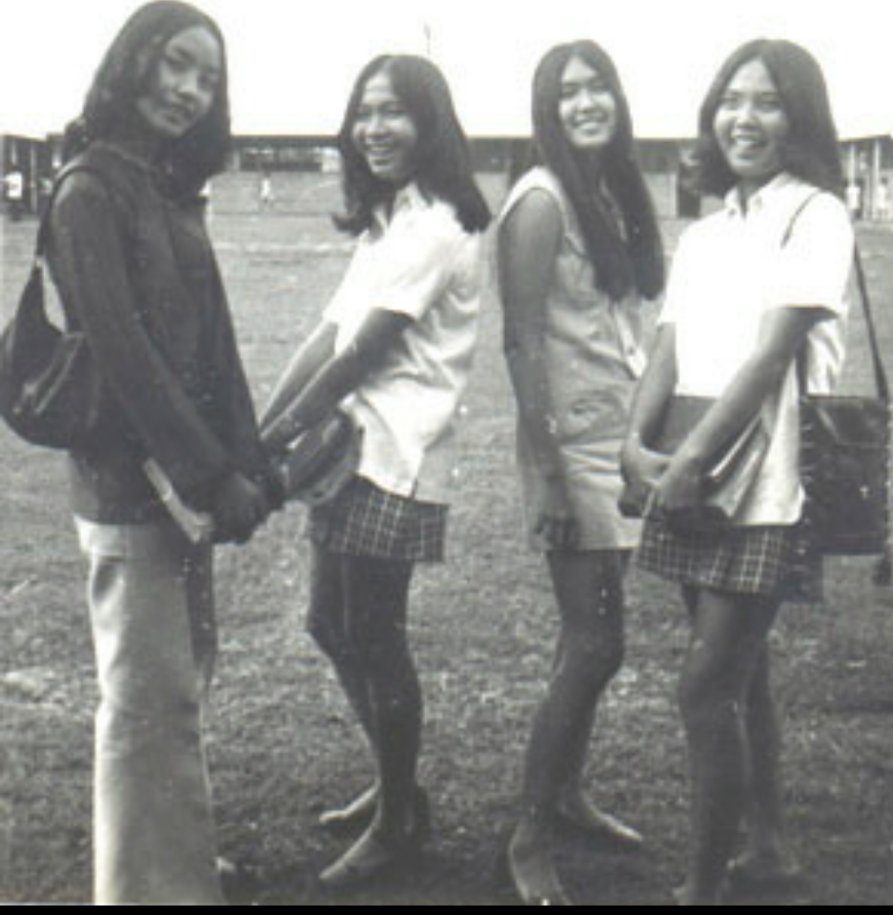
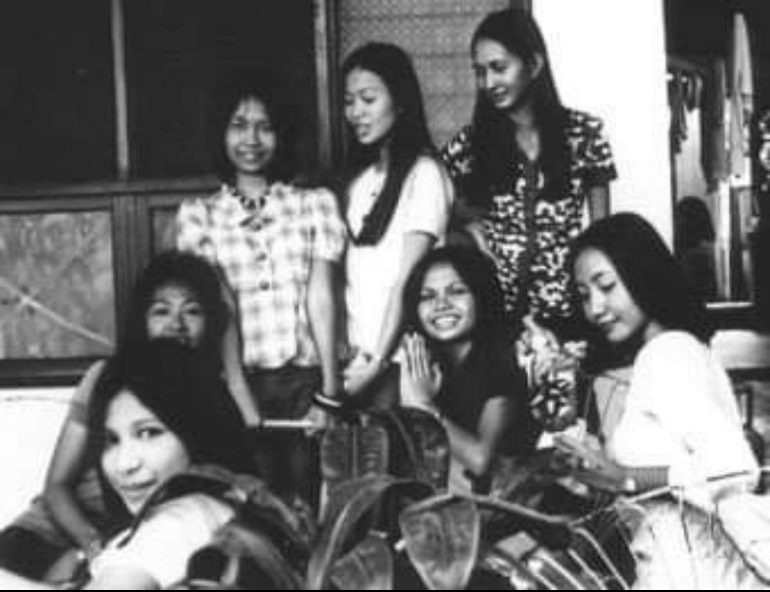
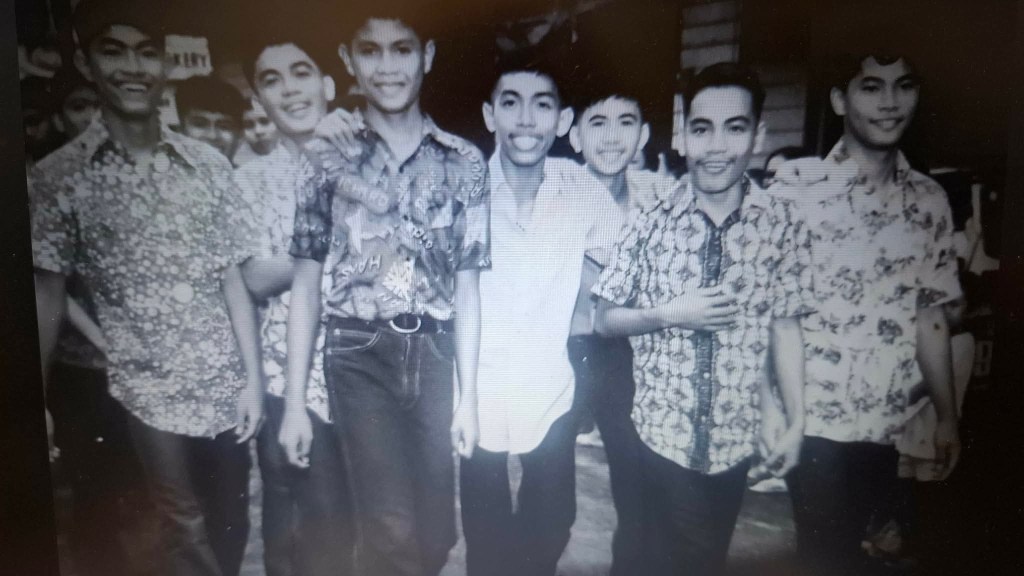
In Pisay, I just floated around for the first 2 years. Life in Pisay was a beautiful, sweaty blur. Between fumbling through conversations with my girl-classmates and missing layups on a hot unshaded basketball court, I didn’t know exactly what growing up was all about. During my first year, my dormmates and I created chaotic new games when we should’ve been studying. Science subjects remained such puzzling mysteries that my brain simply refused to comprehend. Yet, amidst the teenage growing-up woes, the sporting adventures and the complex school projects, I would develop some great connections that made these unique episodes worth it.
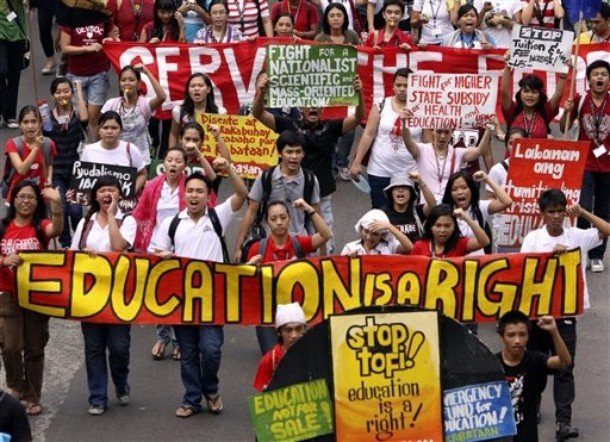
Then came my 3rd year, and with it a crushing blow that would briefly shape the way I viewed the world. My close friend, Francis Sontillano, died tragically in a student rally. I can still vividly recall Francis calling me that fateful morning, as the bus taking us to the rally was getting ready to leave. We had planned to go together then, but I had been called to attend a short meeting with “Lagablab”, our school paper. That afternoon, I learned of his tragic death. Francis had been killed instantly by a pillbox that hit his head squarely. It felt like a vicious punch knocking me out. And that would keep me dazed for a while. It released the rebel in me, restless and angry and looking for a fight wherever and whenever there was anything that I felt was unjust. Student activism was trending then, at a time when ‘trends’ were not yet even an accepted term. I found myself sucked in by the passion and seeming urgency of it all. My grades slipped, not because I stopped caring, but because I was now being pulled in too many directions at once.
And as my grades tumbled, I was recalled home to Tagbilaran, where my parents had moved back after my Papa’s PAL strike debacle. From the intense, troubled streets of Manila, I would now be bathing in the cool, calm waters of the beaches of Bohol.
In Tagbilaran, life settled into a slower rhythm. The environment was different there: less noise, no issues, a more laid-back atmosphere, and a gentler pace that allowed me to listen to a saner, more peaceful version of myself. There was no bustle of student activism to pull me into the fire, no heavy political issues students could care about. If Manila was hot, Tagbilaran then was super cool.
When martial law was declared in Aug 21, 1972, I was lucky that I was no longer in Manila. Had I been there, I would have probably been in the thick of the movement’s activities. Instead, I found strange comfort in simpler everyday activities, like learning to drink ‘tuba’, the local coconut wine. Not as a way to escape the present realities, but as a way to connect with the locals. I learned to go with the rhythm of the community around me. Those small gestures – of learning how to drink the local wine, of getting drunk and vulnerable, of sharing stories and secrets, of singing and of laughing at ourselves – taught me what belonging can feel like when you’re searching for your place in the world.
Reflecting on those younger years now, I think of how I fared and what I would have done if I had the benefit of all these precious hindsight. And I am grateful for the kindness, the patience and the understanding of the people who blessed me with their wisdom. One doesn’t have to be the loudest voice to matter. One doesn’t have to look for or demand perfection in this world. Our value isn’t measured by the mistakes and unjust issues we air out, or the pages we write in protest, or the advocacies we carry with us day-by-day. It’s in the laughter we bring to a gathering, the happiness that follows us when you come to a family reunion, the warmth we bring to our officemates, and the inspiration people feel when we talk and listen with our hearts. All these, while ensuring that our actions always align with the values we stand for.
Today, I carry these memories as reminders of where I came from. And the journey I have taken. And even in my senior years now, it serves as a guide to help bring me closer to some of my unfinished dreams. The kindness of Ms Chan, the tragic death of Francis, the warm welcome I got from new friends in Tagbilaran, all these and more, have to a certain extent shaped the person I would grow up to be.
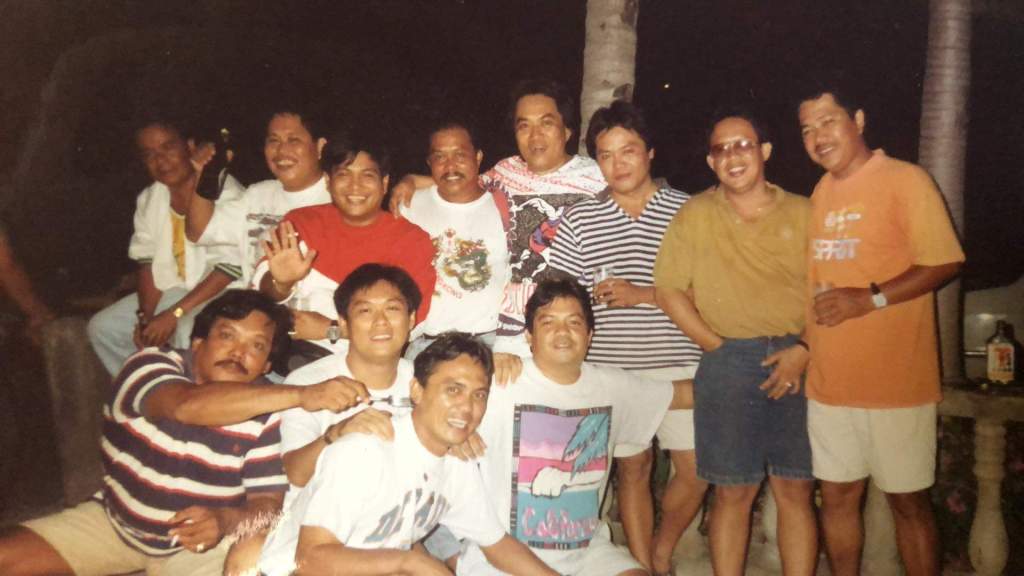
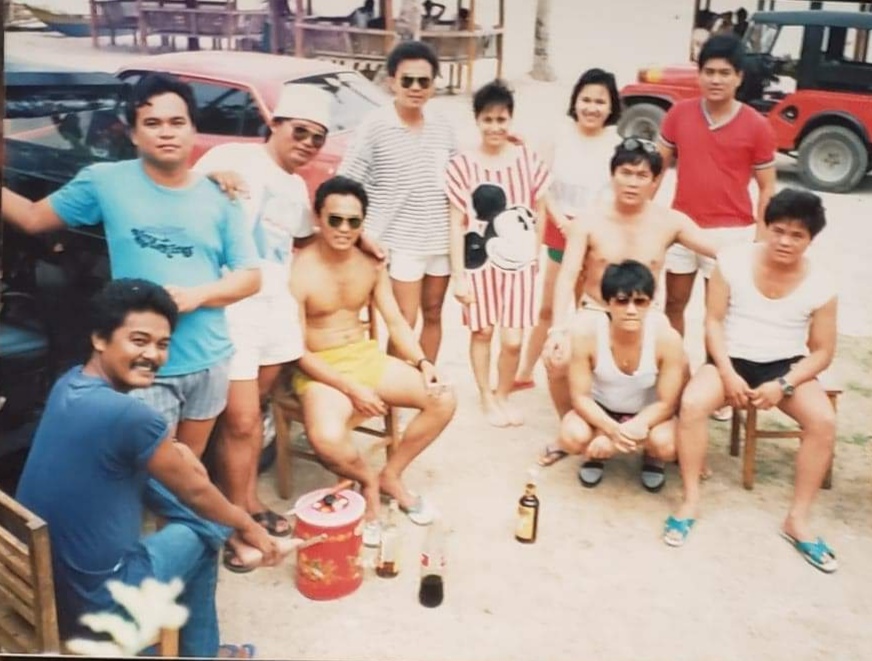
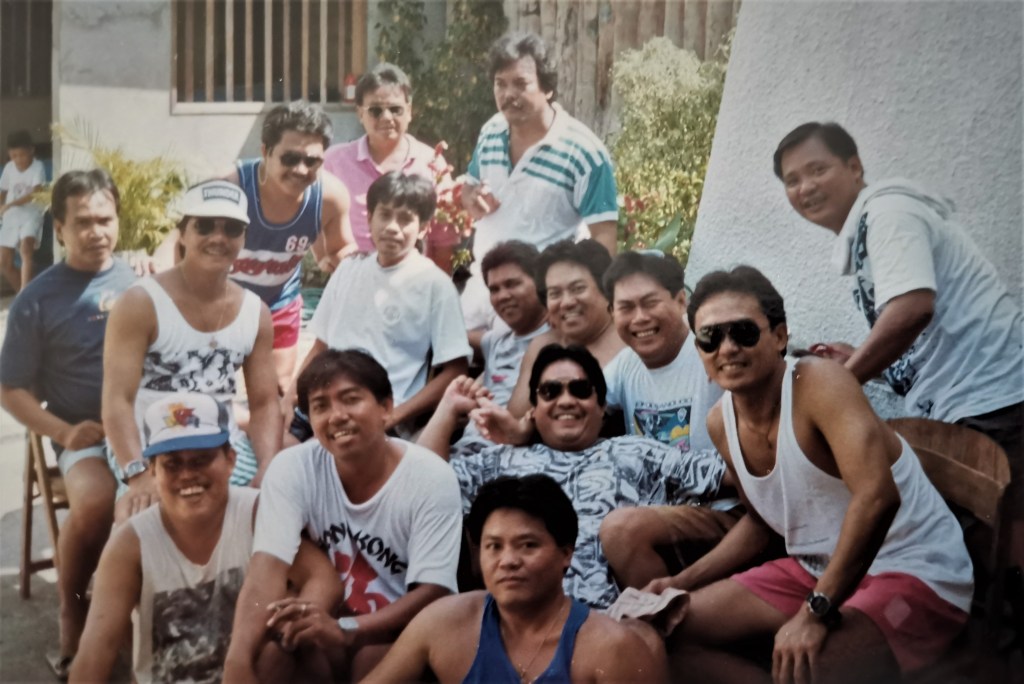
Cover pic courtesy of Excalibur 72. Other pics courtesy of my Pisay 72 classmates, my Jayrabs gang, Facebook, Esquire Philippines. For a closer look, just click on the pics.

 Color My World