With the 2026 FIFA World Cup group stage nearing its conclusion, one thing has become abundantly clear: football remains the world’s greatest unifier. The expanded 48-team tournament has produced thrilling matches, unexpected heroes, and compelling stories that extend far beyond the football field. While several group-stage matches remain to be played, the early favorites have already emerged, and the knockout rounds promise to deliver some memorable contests.
To make the games even more interesting, the knockout rounds have been expanded to include 32 teams. Compare that to the previous versions of the World Cup which featured only 16 teams for the knockout rounds, and we see a huge jump in fan interest, as they see more chances for their favorite squads to reach the knockout rounds.
Among the teams making the strongest impression so far are the 2022 World Cup finalists Argentina and France; perennial top qualifiers Brazil and Germany; the Netherlands, Spain, Portugal; and host nations United States, Mexico and Canada. Argentina continues to display the confidence and tactical maturity expected as one of the tournament favorites, while France has demonstrated remarkable team depth, winning convincingly despite rotating players. Brazil has looked balanced and efficient, blending its traditional attacking flair with a disciplined defense. Germany recovered well after a disastrous opening game loss, and the Netherlands have quietly become one of the tournament’s most dangerous teams with their organized midfield and clinical finishing.
Perhaps the biggest pleasant surprise has been the continued rise of African football. Morocco, Ivory Coast, Egypt, Algeria and even Cape Verde have shown that the gap separating African teams from the traditional European powers is rapidly diminishing. Their proximity to better coaching in Europe, plus better facilities and greater tactical discipline is developing the African game by leaps and bounds. The fact that many African stars now develop their careers in Europe’s top leagues have dramatically improved the continent’s competitiveness. African teams no longer arrive simply hoping to advance; they now expect to challenge for spots in the latter stages of the tournament.
Several players have emerged as early stars. Argentina’s Lionel Messi continues to remind the world why he remains one of football’s greatest genius. France’s dynamic attack has once again proven difficult to contain, with Kylian Mbappe now assisted by a horde of young upstarts, particularly Ousmane Dembele, who has been a great foil on the opposite end of their attack line. Brazil’s Vinicius Junior and Germany’s Leroy Sané have been instrumental in creating scoring opportunities for their respective teams. Norway’s ace scorer Erling Haaland is making a lot of young fans take notice. And then, there’s the 41-year old Cristiano Ronaldo of Portugal, who became the first player ever to score in six different FIFA World Cups, surpassing Eusébio as Portugal’s all-time World Cup scorer. For our breakout players, there is the young German Deniz Undav and American midfielder Sebastian Berhalter with timely goals and energetic performances.
One of the tournament’s most compelling stories belongs to Iran. Their campaign has unfolded against the backdrop of geopolitical tension and logistical challenges. Travel restrictions, complicated itineraries, and the emotional burden carried by players representing a nation engaged in a conflict with the US is constantly hounding the squad. Despite what is deemed by many as unfair and uncalled for restrictions on the team, they have been conducting themselves commendably. Iran has remained competitive, with head coach Amir Ghalenoei insisting that his players’ primary mission is simply to bring moments of pride and joy to their people through football. Their resilience has earned admiration and respect, regardless of their final results.
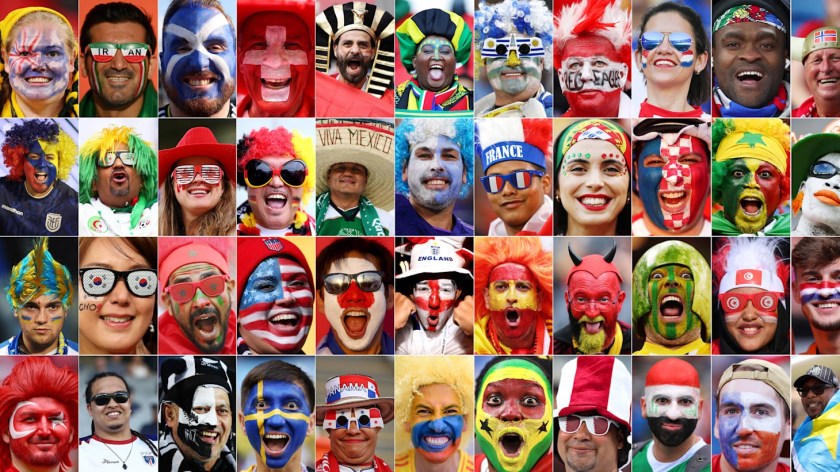
Off the field, the tournament has once again become a global festival. Supporters from all over the globe have transformed host cities into week-long carnivals, filling streets with songs, colorful jerseys, and friendly rivalries. Fan zones in the United States, Canada, and Mexico have become meeting places where supporters from dozens of nations celebrate together. The atmosphere has demonstrated why the World Cup remains unmatched as a cultural event, bringing together people who may disagree on politics but happily share a table over football.
The tournament has also had an interesting effect within the United States. At times, football has displaced politics from the front pages. Instead of constant discussion about the war involving Iran, rising fuel prices, inflation, affordability concerns, or President Donald Trump’s fluctuating approval ratings, Americans have found themselves discussing formations, goals, and knockout-round possibilities. While these political and economic issues remain very real, the World Cup has provided a rare moment of shared international celebration focused on sports rather than division. It has reminded many observers that major sporting events can temporarily bridge political differences, even if they cannot totally solve them.
As the Round of 32 approaches, predicting a champion remains difficult. Brazil, Argentina, France, Germany, Spain, England, and the Netherlands all possess the quality to lift the trophy. Yet every World Cup produces surprises, and this expanded tournament may produce more than ever before. Emerging nations have shown they can compete with football’s traditional powers, making every knockout match a potential upset.
If the opening weeks are any indication, the 2026 World Cup is already delivering exactly what fans hoped for: world-class football, unforgettable stories, and a poignant thought that even for a short ninety minutes or so, this beautiful game has an extraordinary ability to bring the world together.
Cover pic courtesy of Olympics.com.


Distração cafetina
LikeLike