Part One: The Land We Were Afraid Of
When I first saw the land that would eventually become Gran Verde Farm, I did not immediately see the golden opportunity. What I saw was a big problem.
It was an abandoned pineapple field – five hectares choked with wild, overgrown pineapples, with the kind of underbrush that swallows footpaths whole. And living in that underbrush, more than I cared to count, lurked dangerous cobras. The land didn’t whisper “potential.” It hissed. Still, despite all the danger, I felt a sense that this difficult ground could still be transformed into a blessed, productive space.
My wife, Wit, and I decided to take it on. But we didn’t have the money to do it in one count. We couldn’t clear all five hectares in one go, or build every structure, or plant every crop we dreamed of immediately. So we didn’t. Instead, we cleared the ground one small patch at a time. Planted one seedling at a time. Cut one path at a time, paths that would be wide enough to walk through safely, paths that would gradually soften the difficult environment we faced.
Progress was measured in inches, and most days it didn’t even feel like progress – it felt like survival, ours against the cobras’, as well as the land’s own stubbornness.
We kept going anyway, because we had learned the first real lesson in farming: nothing worth growing arrives quickly. And slowly, we saw the fruit of our toil. Patience wasn’t a virtue we admired from a distance, it was the only thing we could cling on to.
But we weren’t entirely starting from zero. My father-in-law had planted lansones trees and coconuts on the property decades earlier, back when he first bought the land in the ’60s. Those older trees were still standing, still bearing fruit, a quiet proof that this ground – cobras and all – could be made productive. That gave us a bit more reason to proceed.
So as we cleared away the abandoned pineapples, we planted mango seedlings in their place. Then durian. Then mangosteen. Each tree we put in the ground was a small act of faith – not just in a future harvest, but in a future, period. A future where this land could provide good sustenance for our family and maybe, eventually, some profit from it.
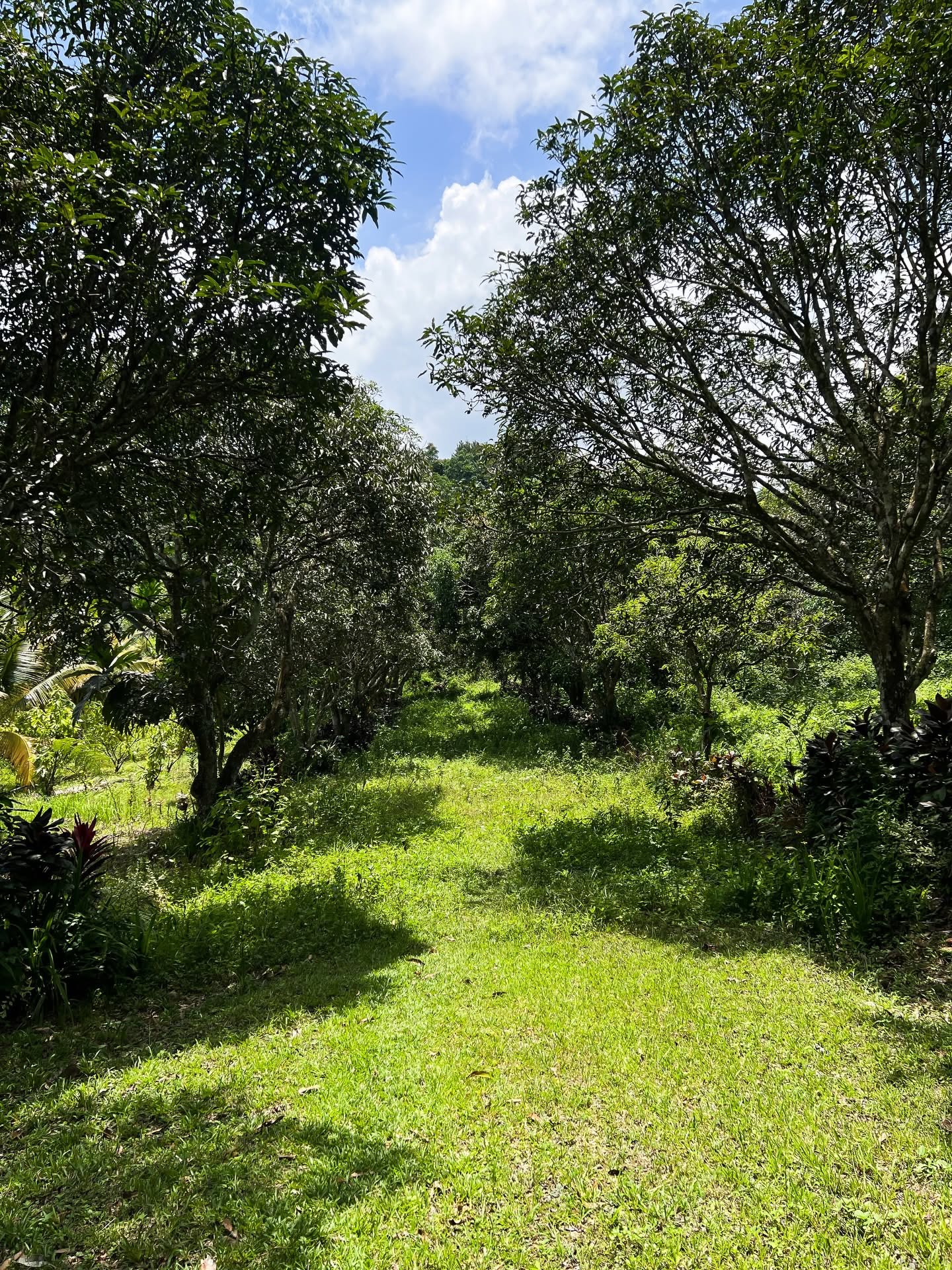
I found out that mangos are not a patient farmer’s reward. Rather, they are the patient farmer’s test. We waited four years before the trees bore their first real fruit. When they finally did, it felt like vindication. After a year, we had over a hundred mango trees producing modest income, standing alongside the lansones, the coconuts, the durian and mangosteen. Gran Verde Farm finally looked like a functioning farm. The years of invisible effort were, at last, getting the recognition they deserved.
And then, climate change came and altered all the rules for us.
The mango trees’ fruiting cycle turned unpredictable. Other fruit trees followed suit. Trees we had nursed for years simply stopped being as productive as they once had. Our lansones trees stopped bearing fruit for 2 years. There was nothing personal or fair about it – just a slow, undeniable shift in the seasons we’d built our whole plan around. It was a hard thing to watch. But it taught us another real lesson in farming: survival doesn’t just require patience. It requires the humility to change, and the willingness to adapt.
I used to think that farming was about controlling the land. With climate change, the farm taught me otherwise. The land always has the final say. A farmer’s real task is not to dominate nature, but rather, to understand it well enough to work with it.
Part Two: Building Something That Could Bend Without Breaking
Faced with this crisis, my wife stepped forward to accept the challenge.
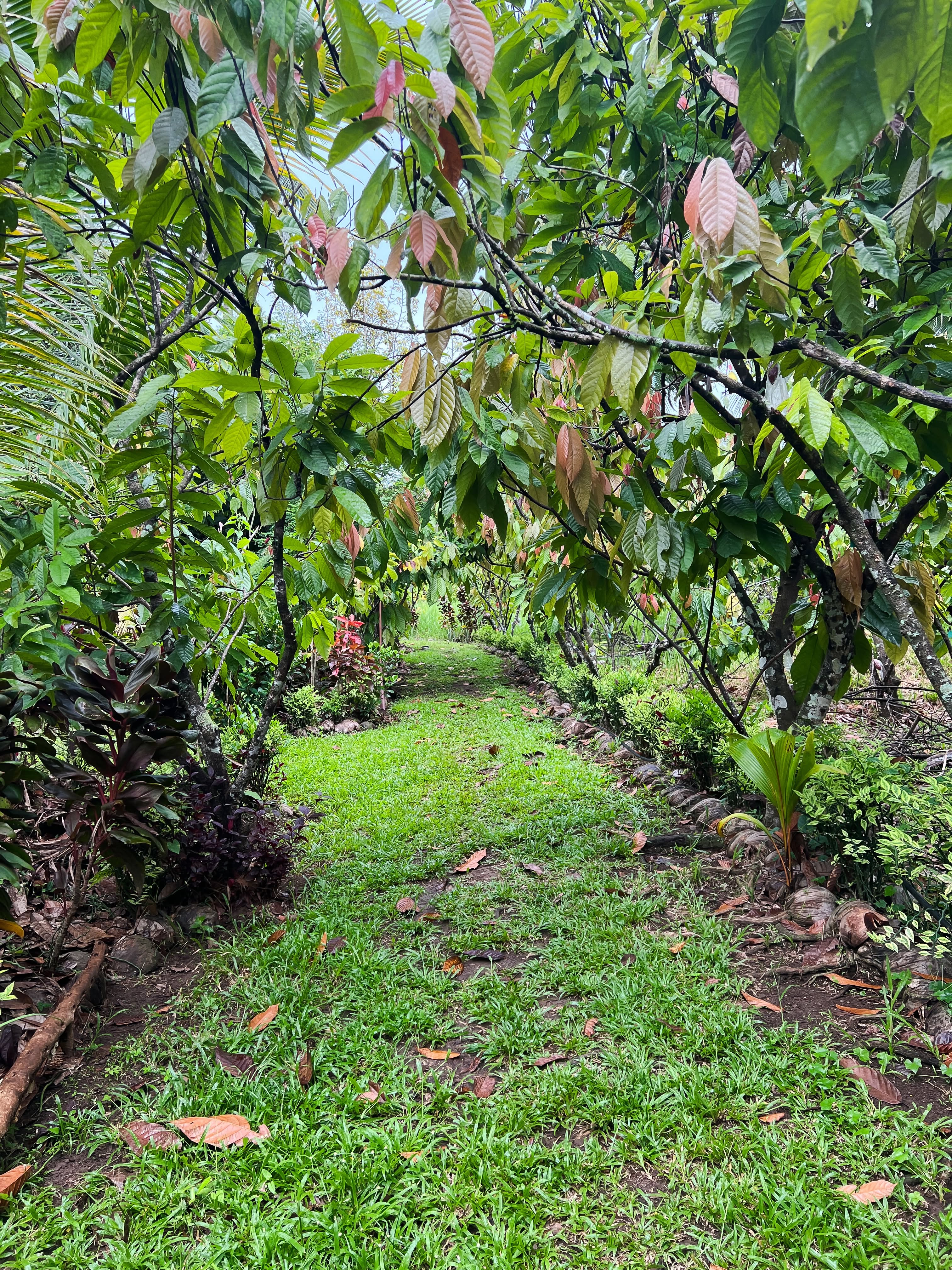
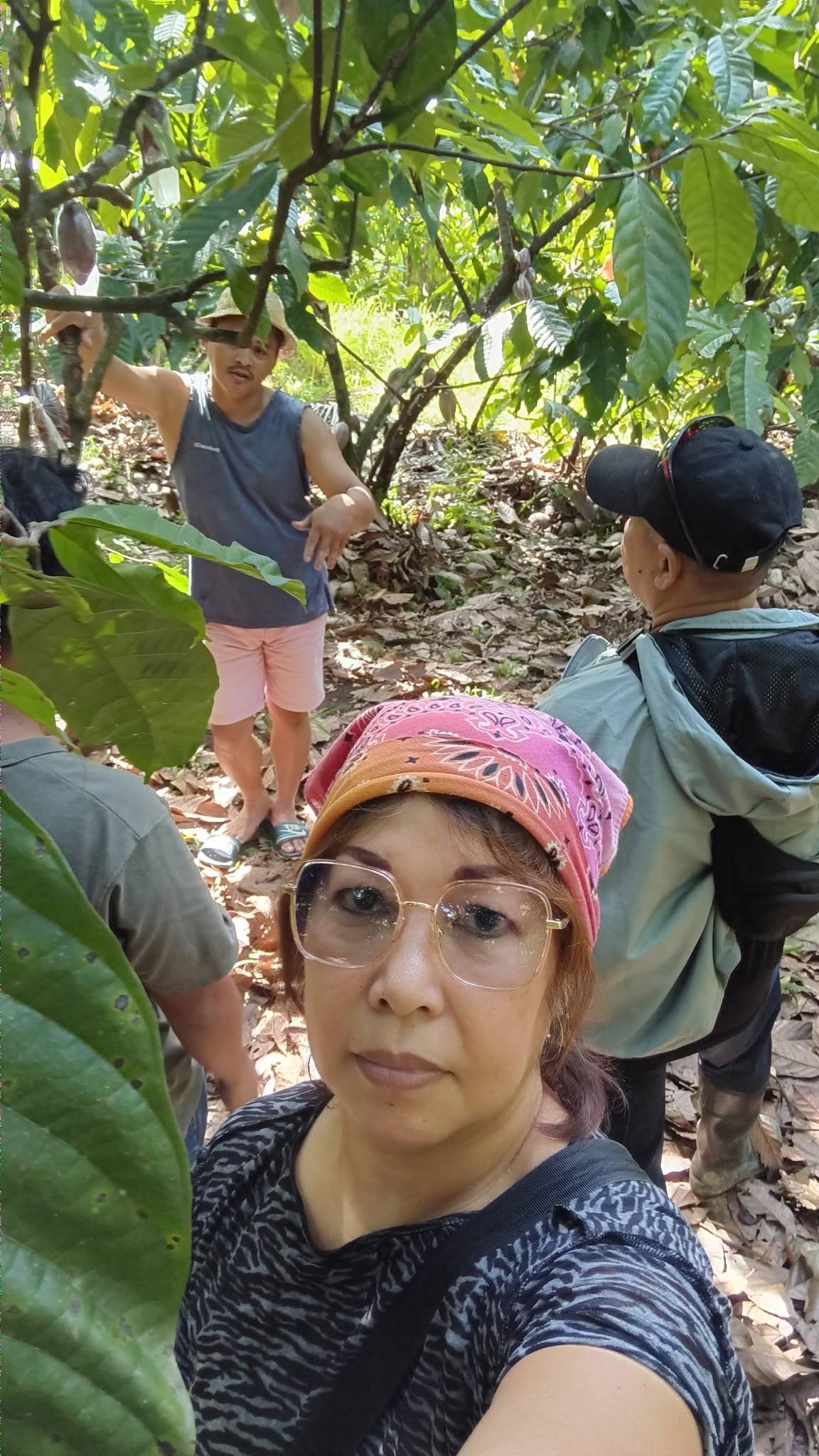
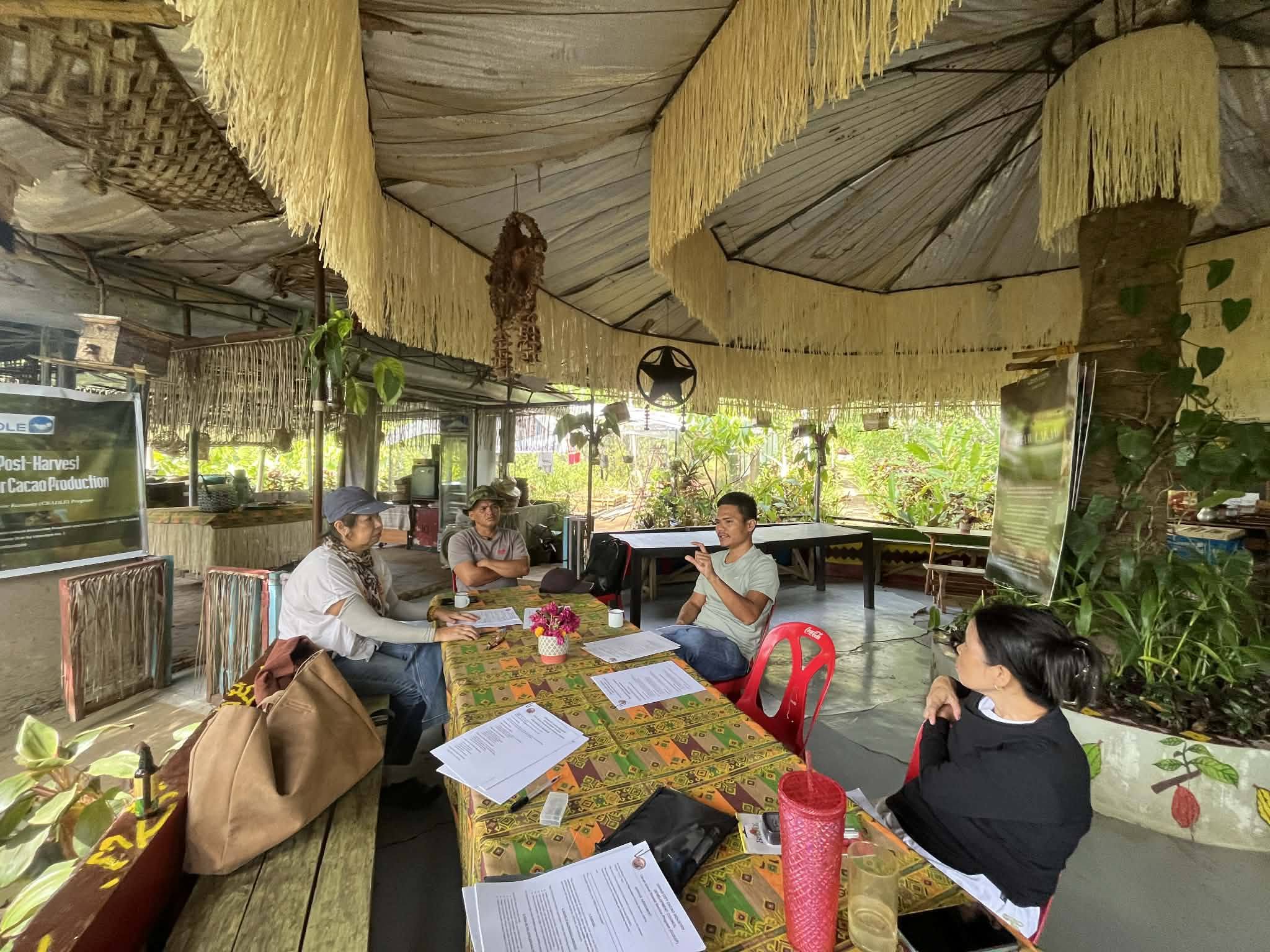
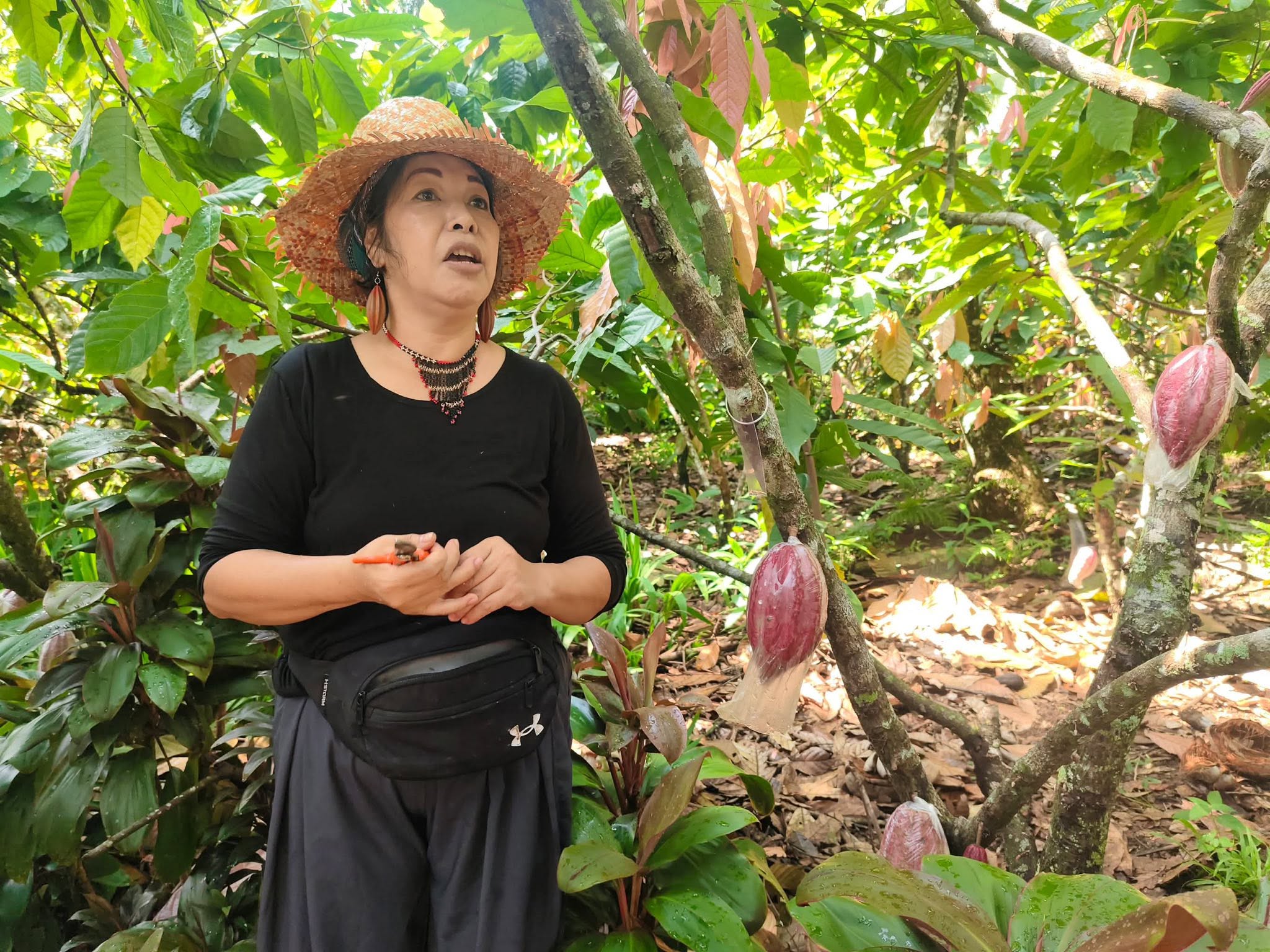
Wit decided to study cacao – not as a hobby, but as a serious bet on the farm’s future. She learned the planting, the pruning, the shade requirements, the post-harvest handling that turns a raw pod into something sellable. It was another risk taken on top of years of risk we’ve already had. But in under two years, the cacao trees started bearing fruit, and Gran Verde Farm had another fresh new start.
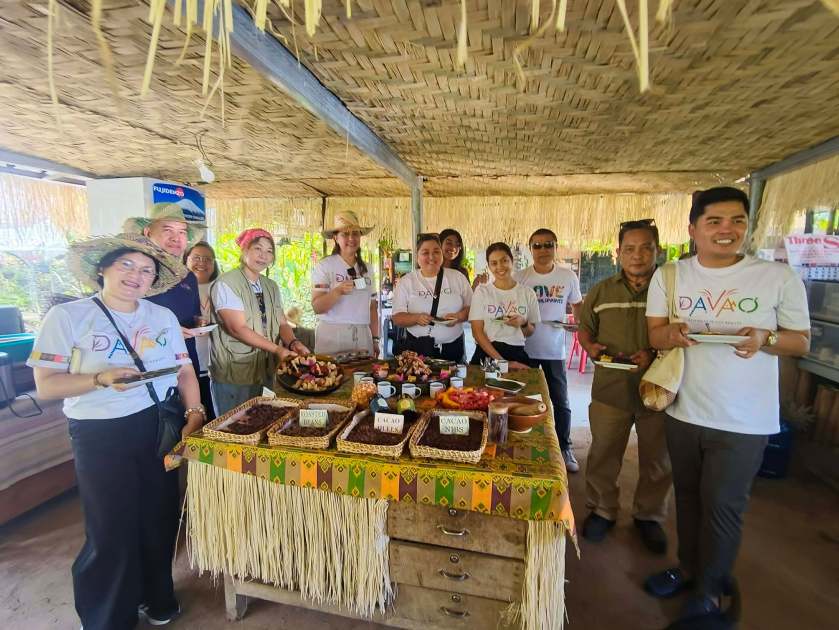
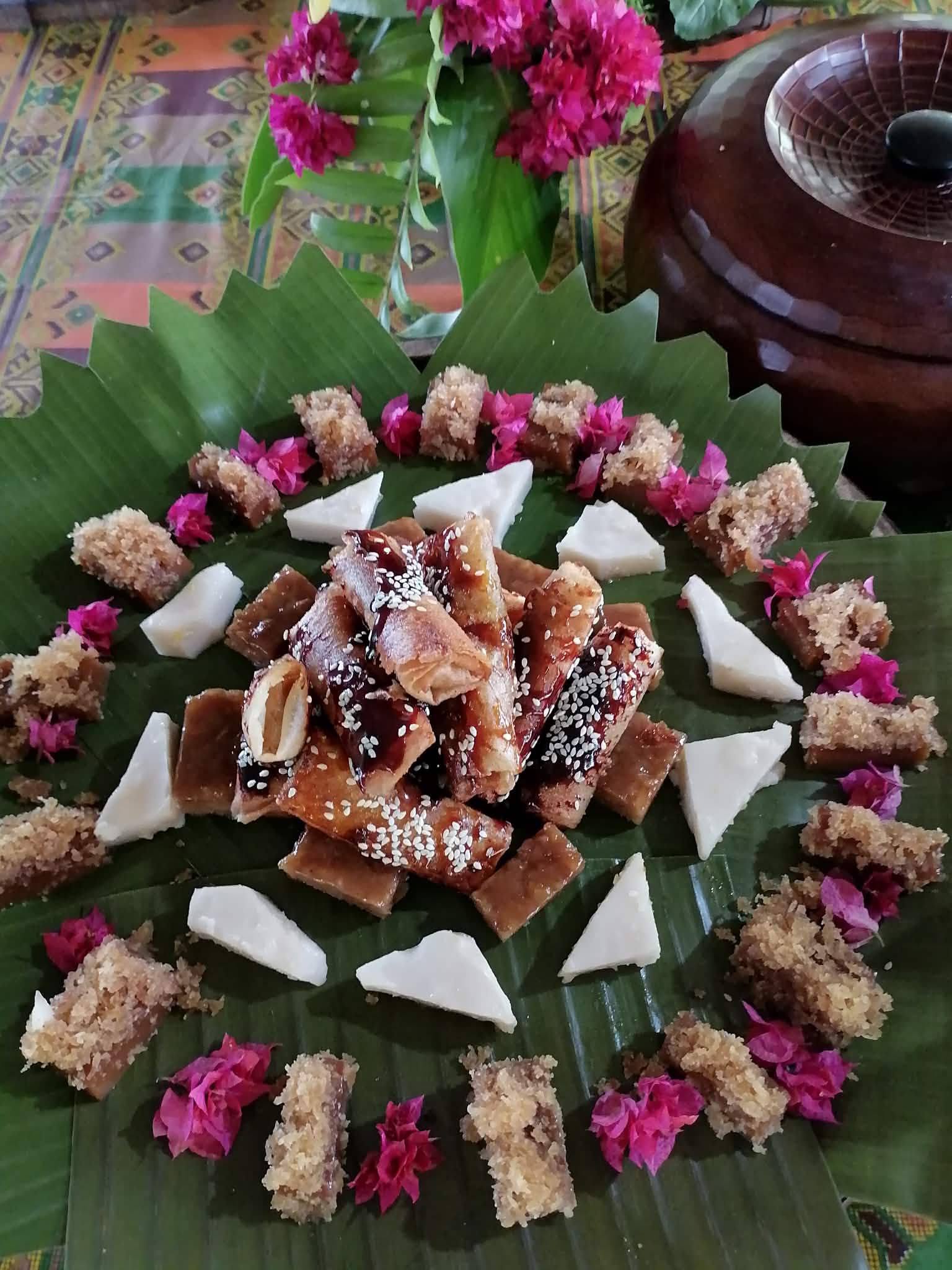
We didn’t stop at selling raw cacao. We started making cacao-based granola and a cocoa drink – turning what we harvested into something we’d made, something with our name on it. Thus, Wit’s Sweets and Savouries was born. It wasn’t an easy shift, but it gave Gran Verde Farm a kind of hope that raw commodity prices never could.
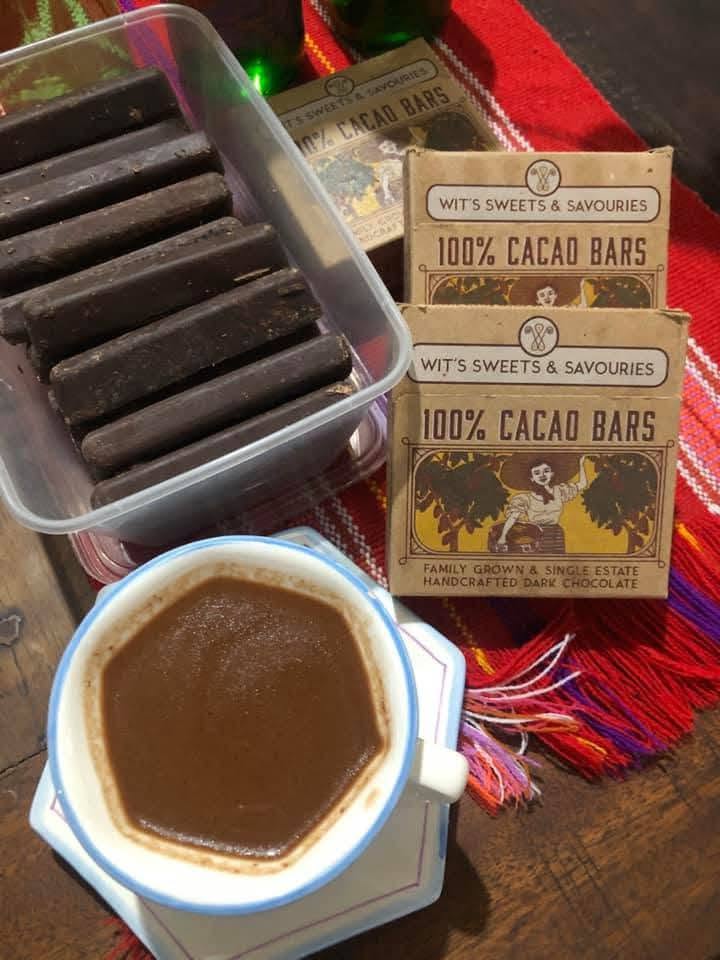
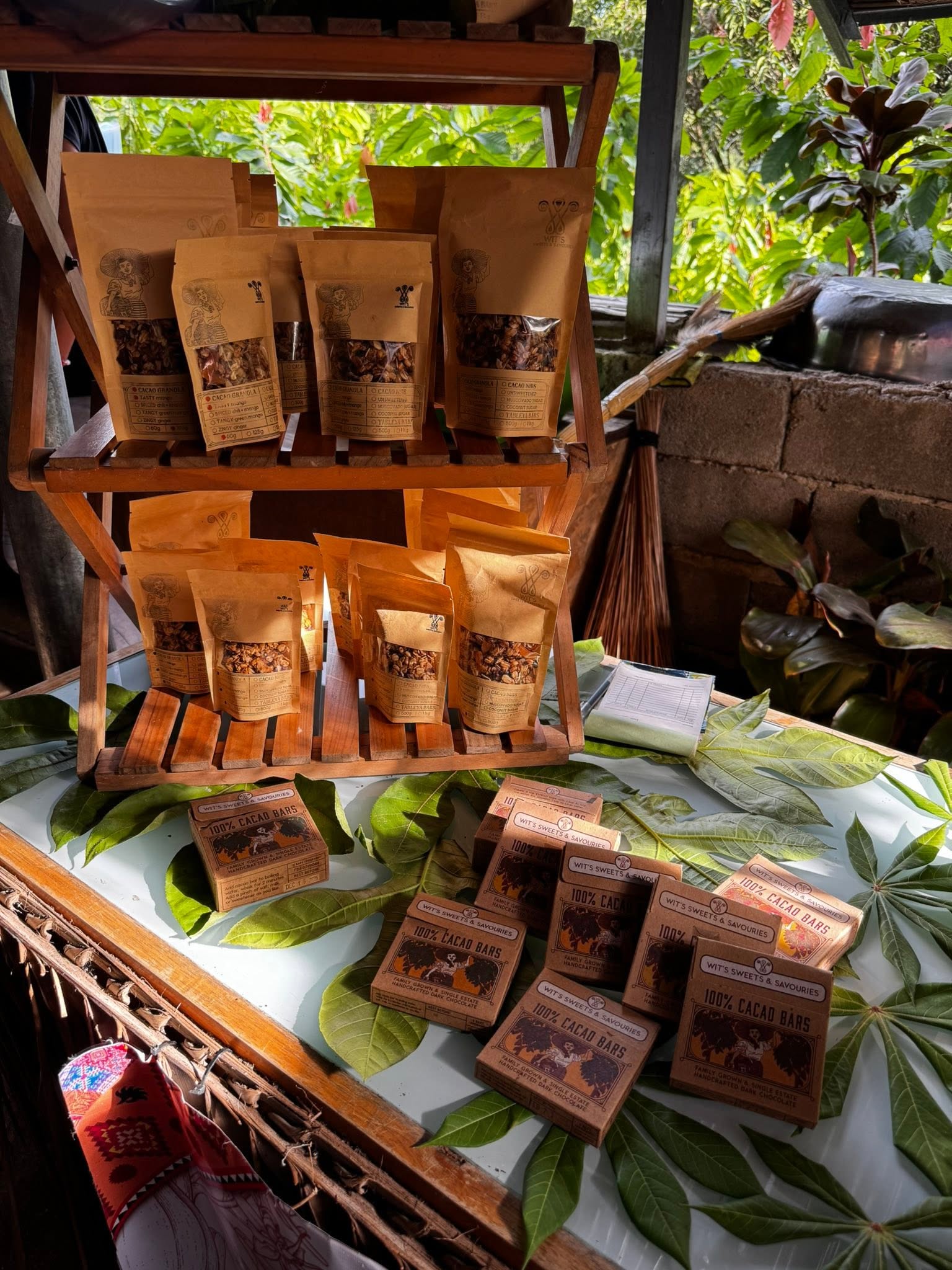
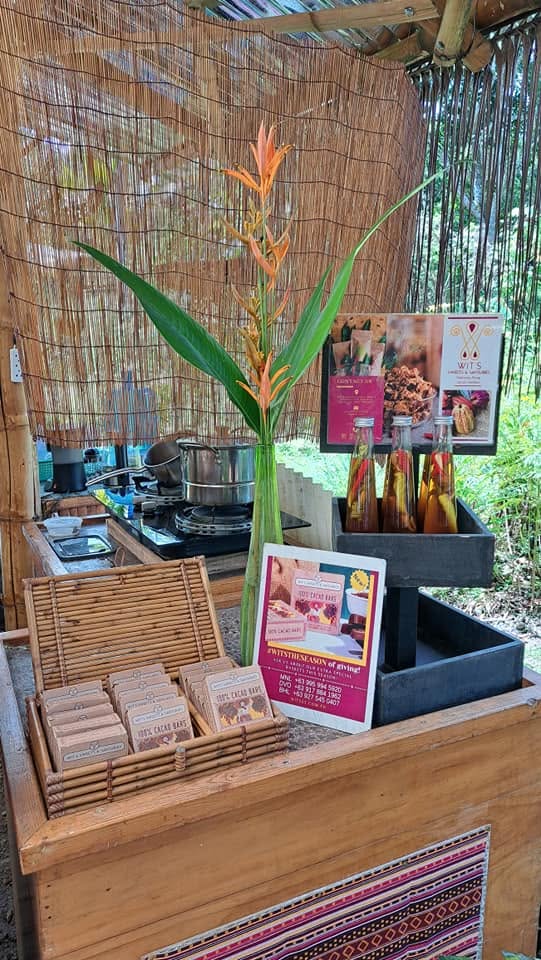
None of this happened because we had deep pockets. We didn’t. What we had were hard-working, loyal people – workers who chose to grow the farm with us, even when we couldn’t afford them the best working conditions, the best tools or the best resources. Their loyalty became Gran Verde’s real assets, long before the farm had much else to offer. That loyalty was tested hardest when COVID-19 struck, when maintaining the farm with us meant real health risk and real uncertainty. They stayed anyway. And we fully acknowledge that, and will not take that for granted.
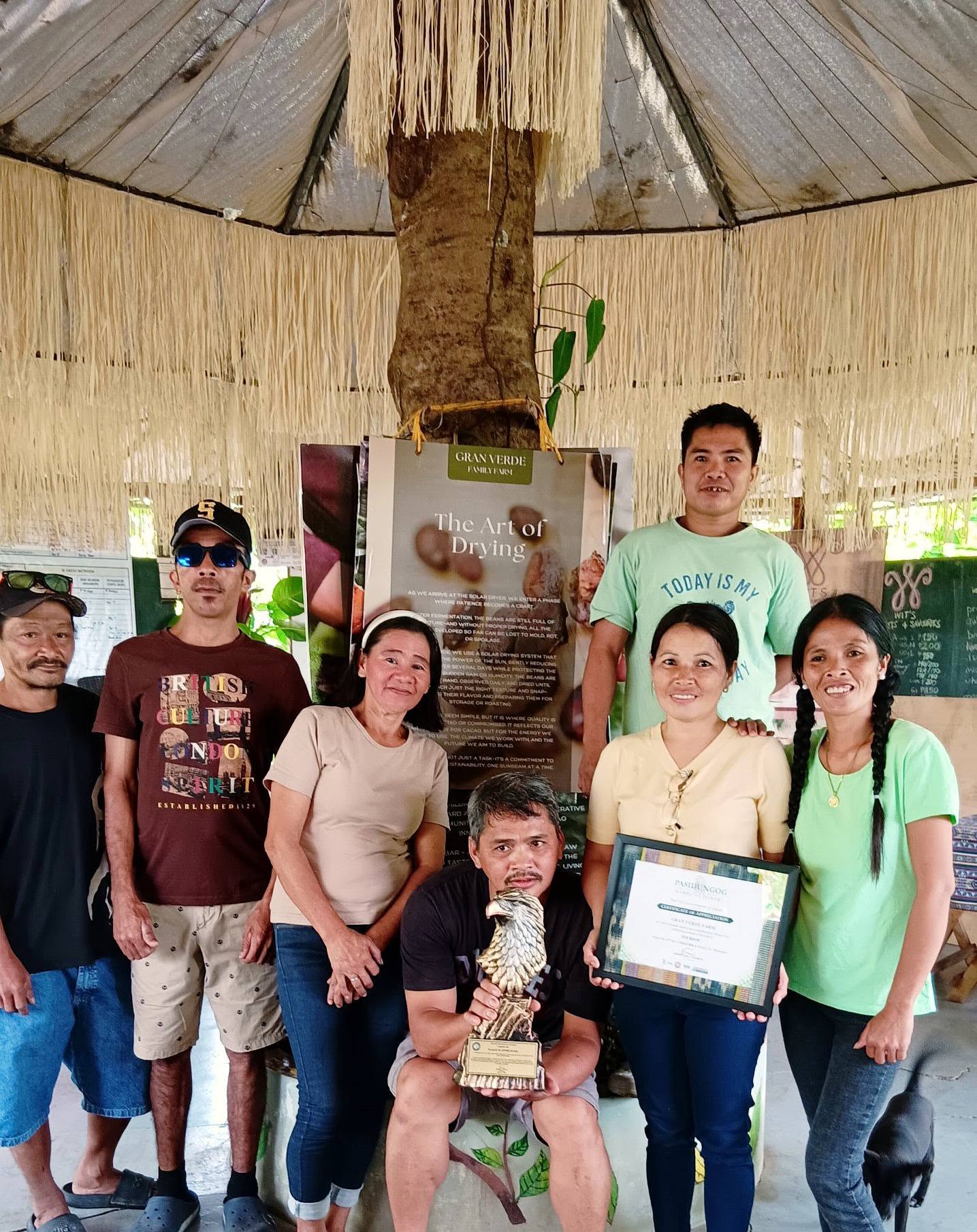
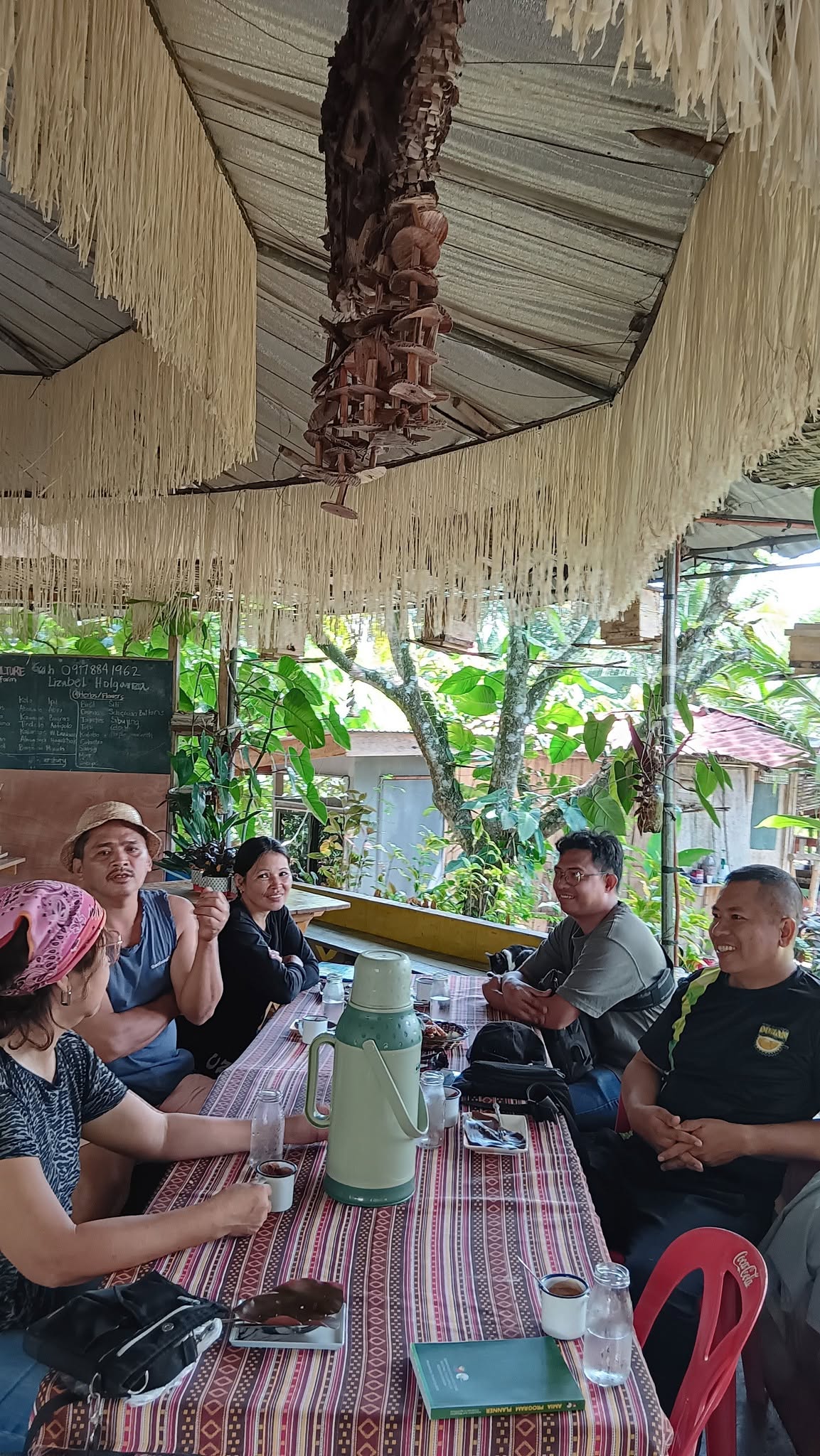
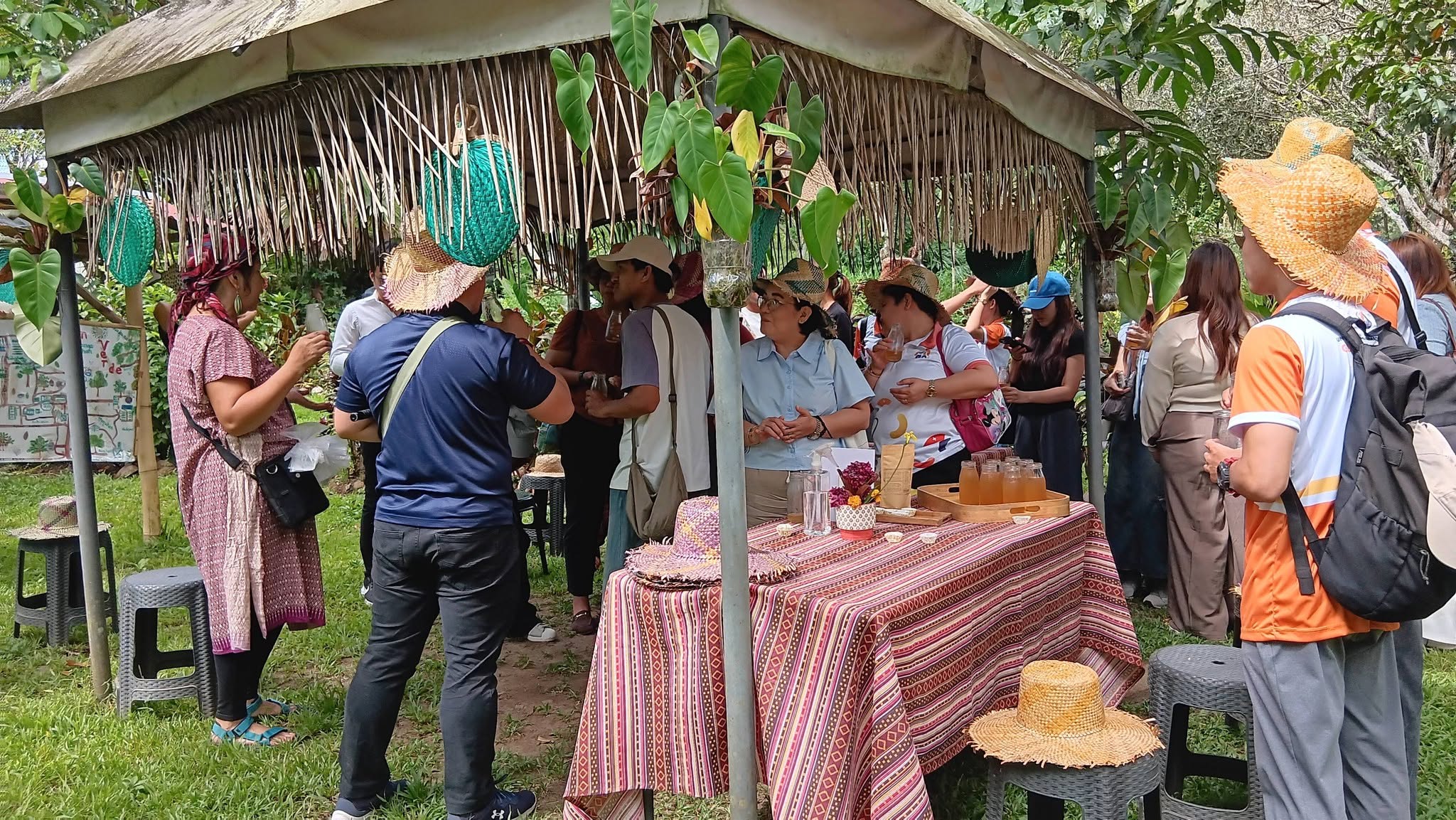
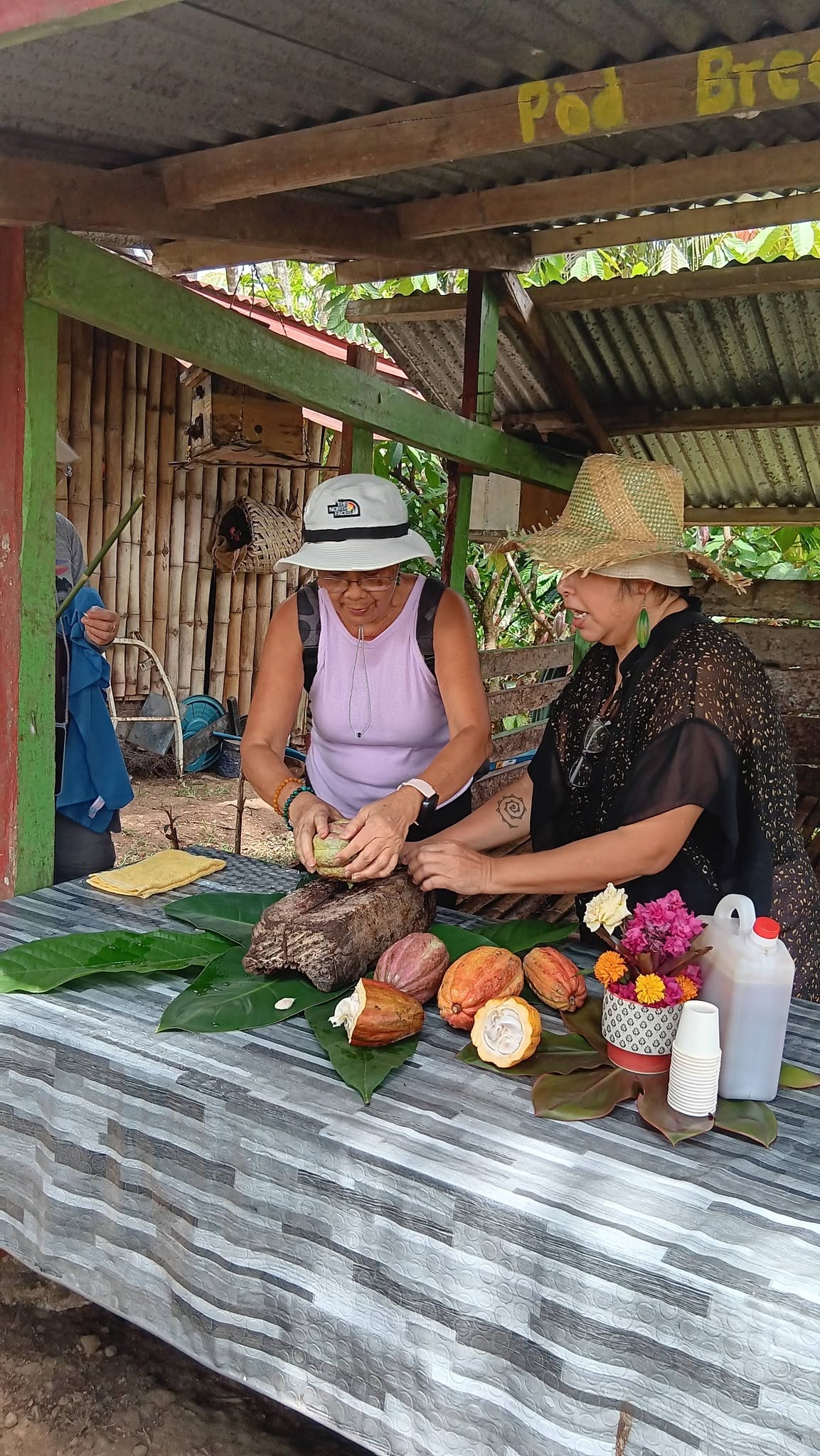
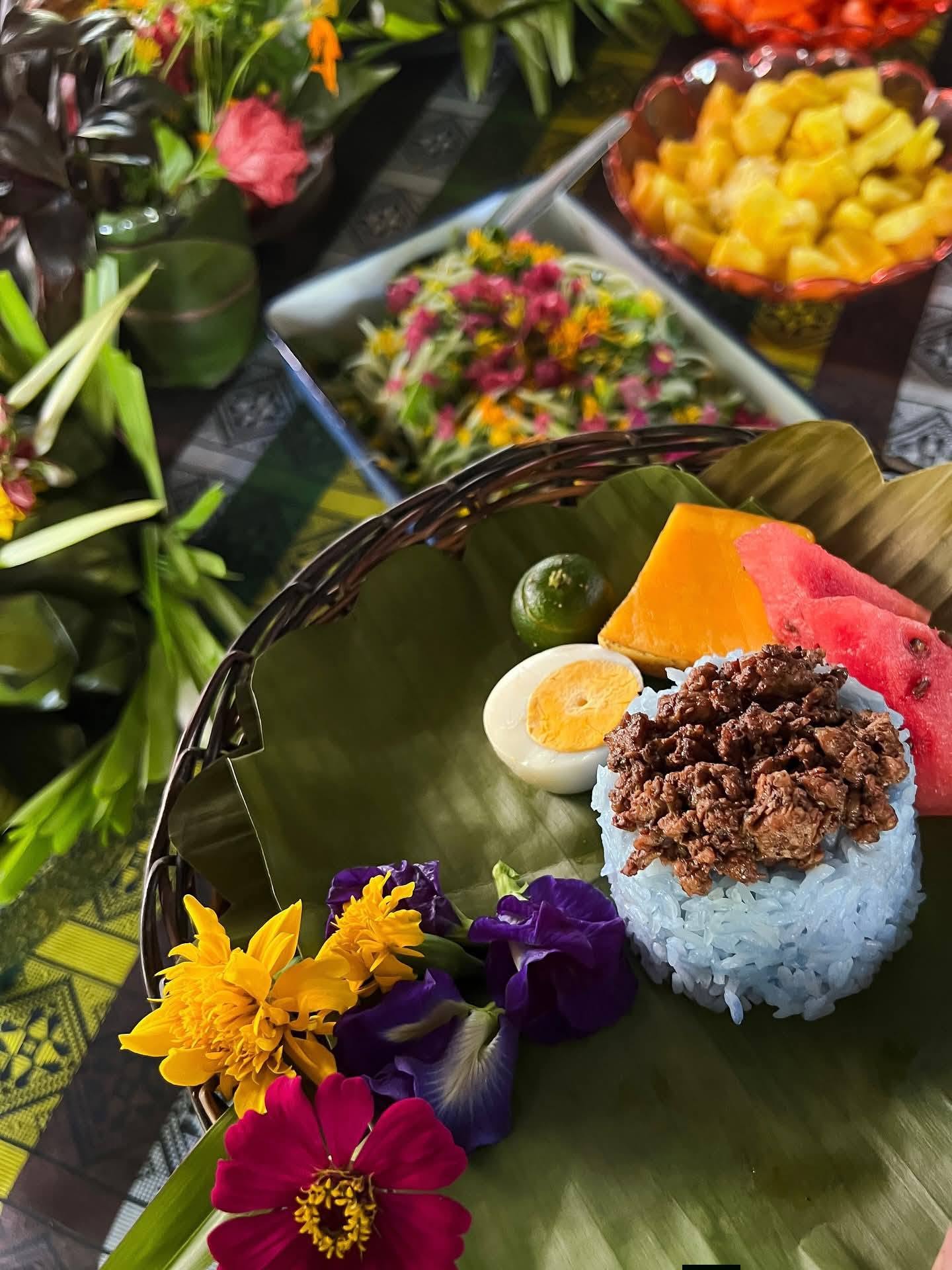
As the farm matured, Wit kept building beyond the fruits and the cacao. She started farm educational tours, opening up Gran Verde so visitors could see exactly what it takes to grow the food they enjoy – the cacao process, the fruit trees, the soil care, the small daily decisions that make or break a harvest. The farm stopped being a mere production site, and became a nurturing learning venue as well.
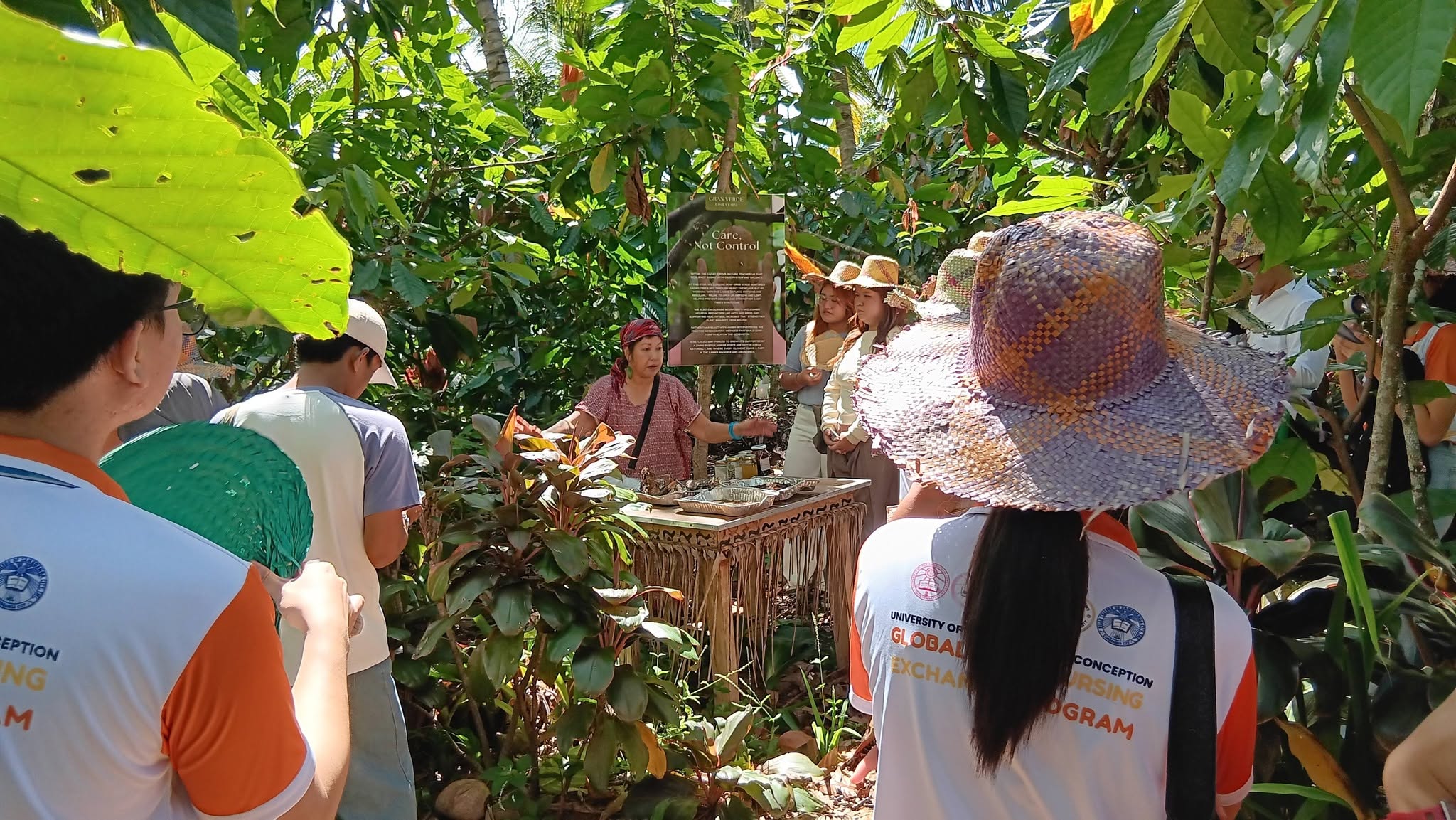
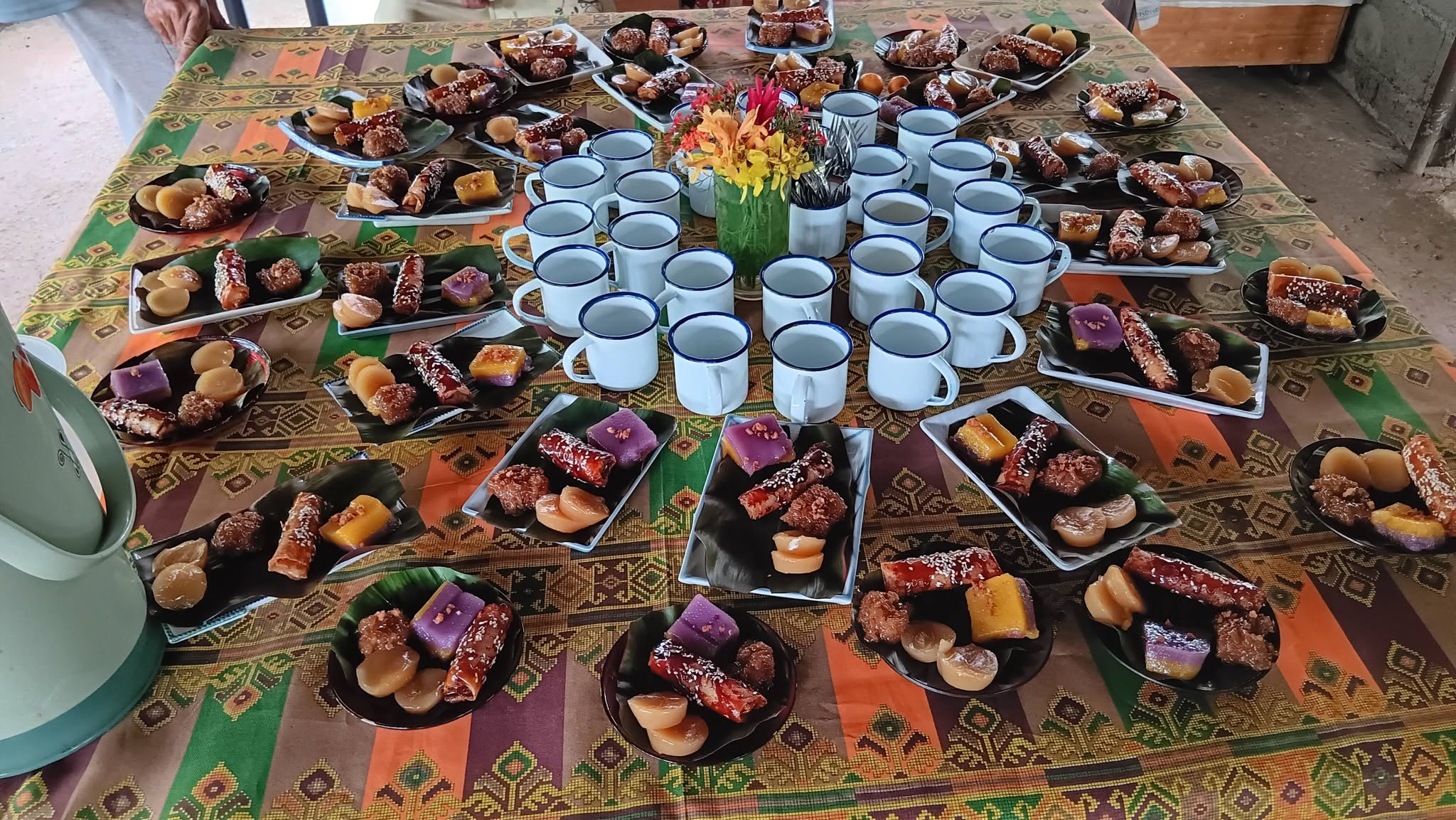
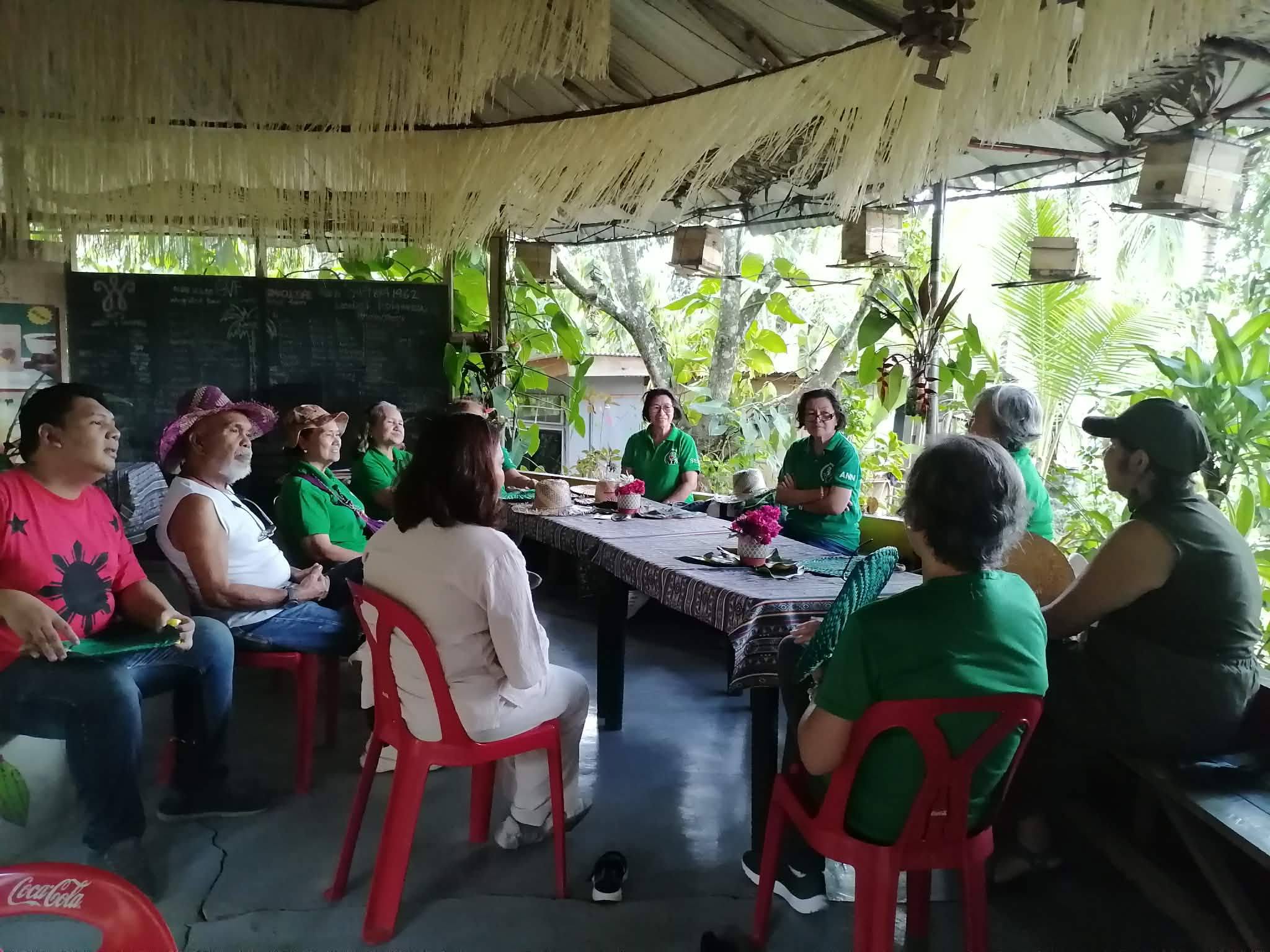
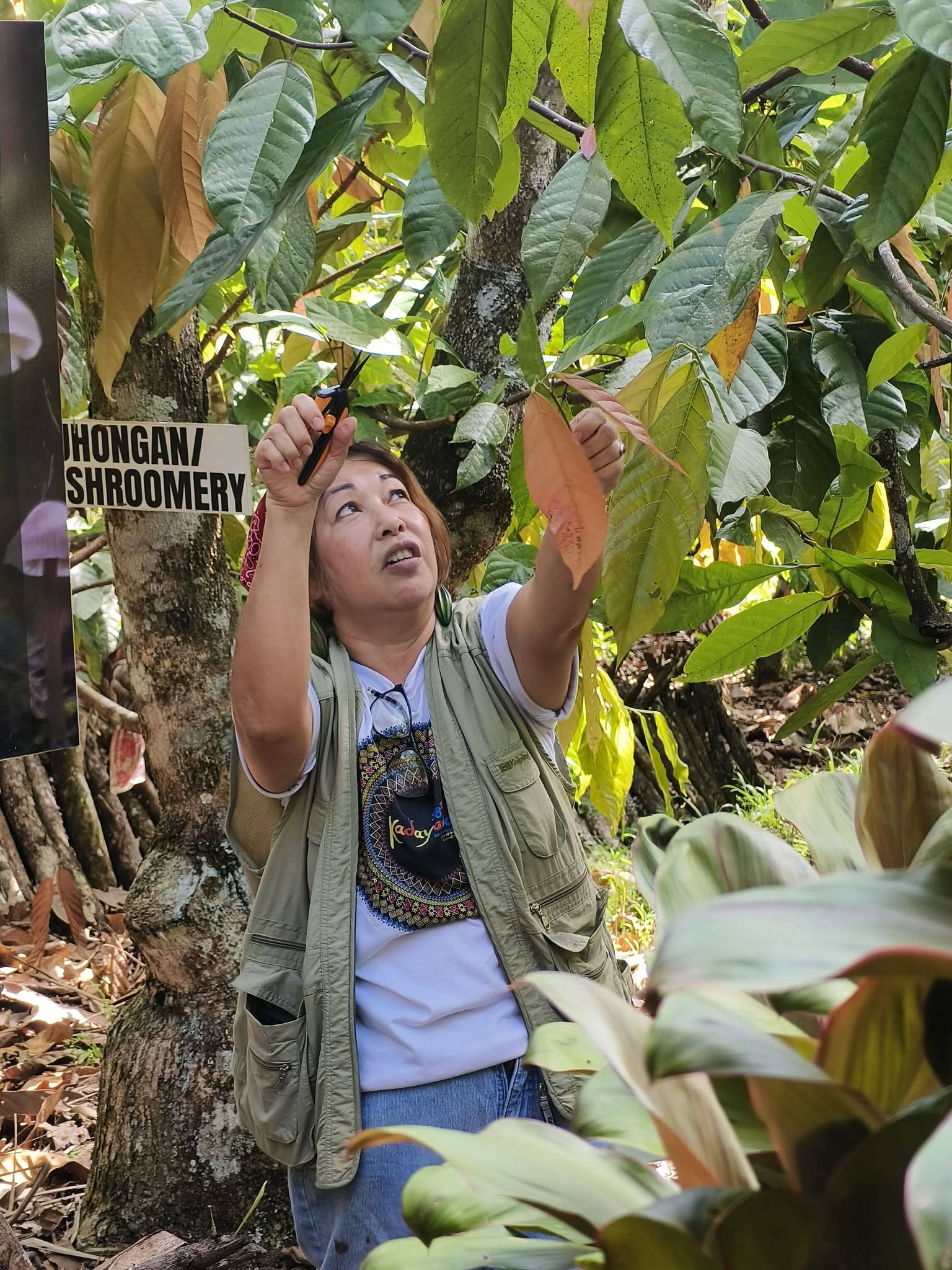
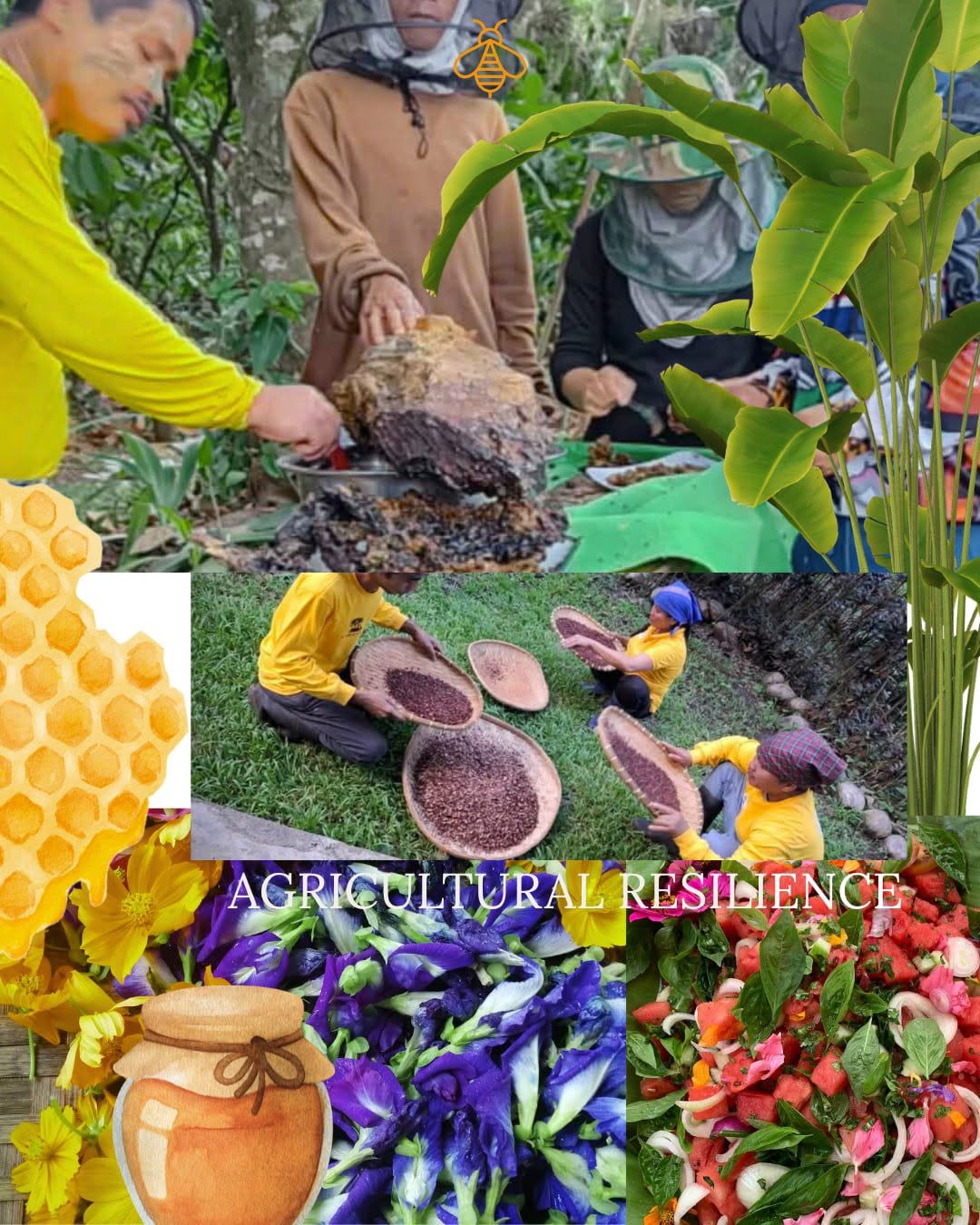
She also introduced stingless beekeeping – with bees that pollinate without the sting, supporting the fruit trees and cacao while opening up a future in honey and bee products. It fit a bigger philosophy she’d been building all along: a farm where every part of the ecosystem – the plant, the insect, the person and the soil – has a role to play.
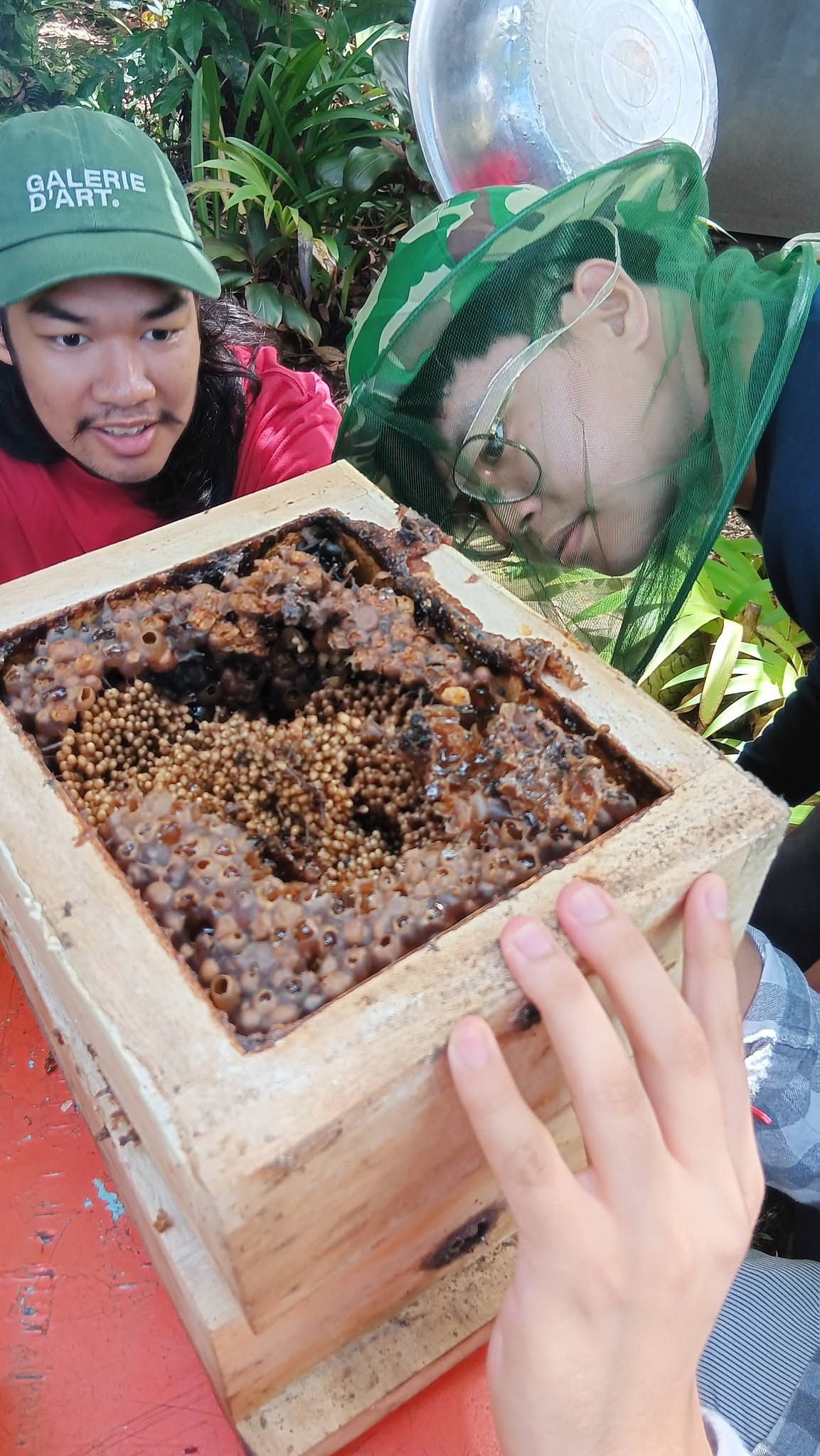
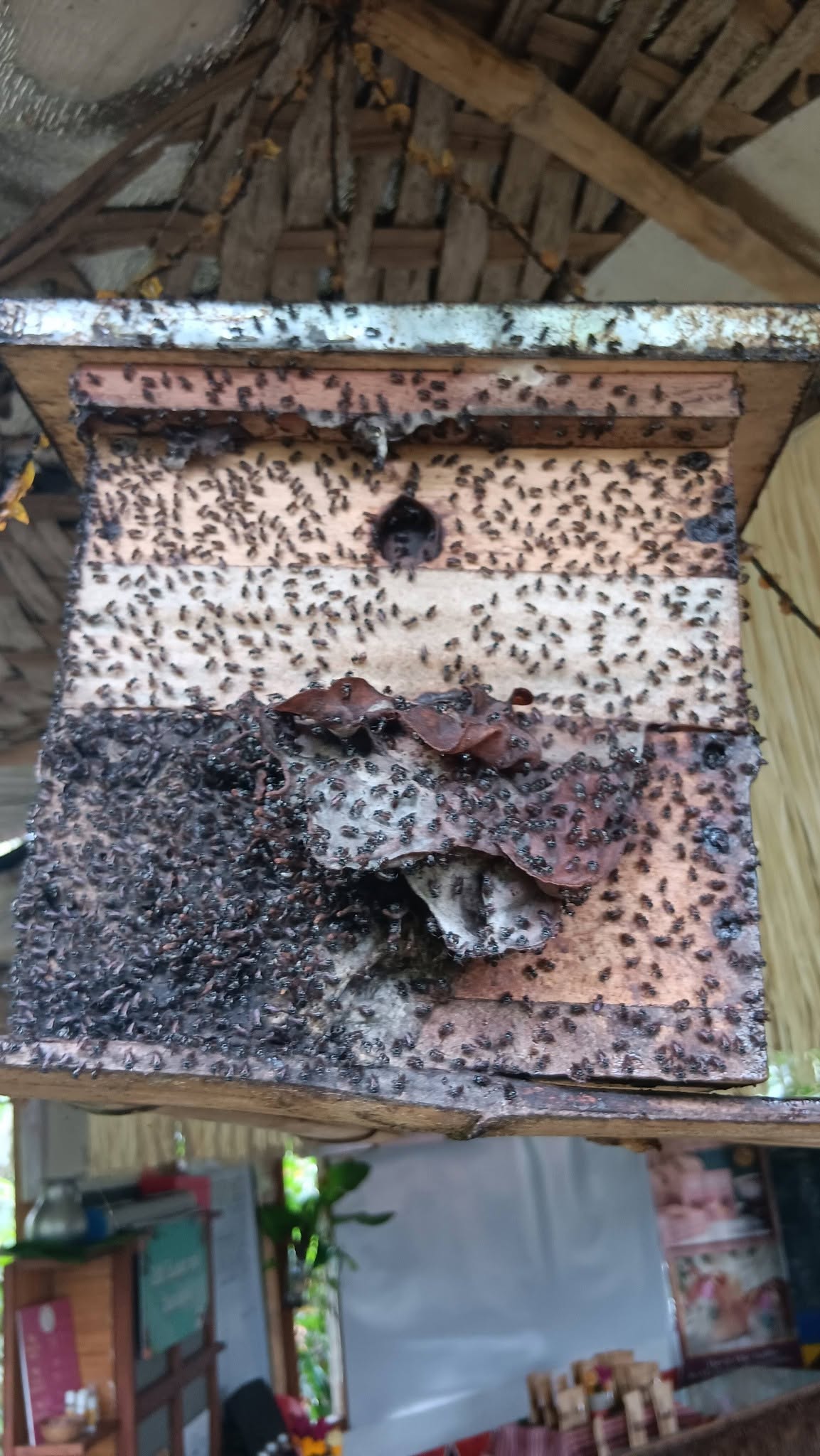
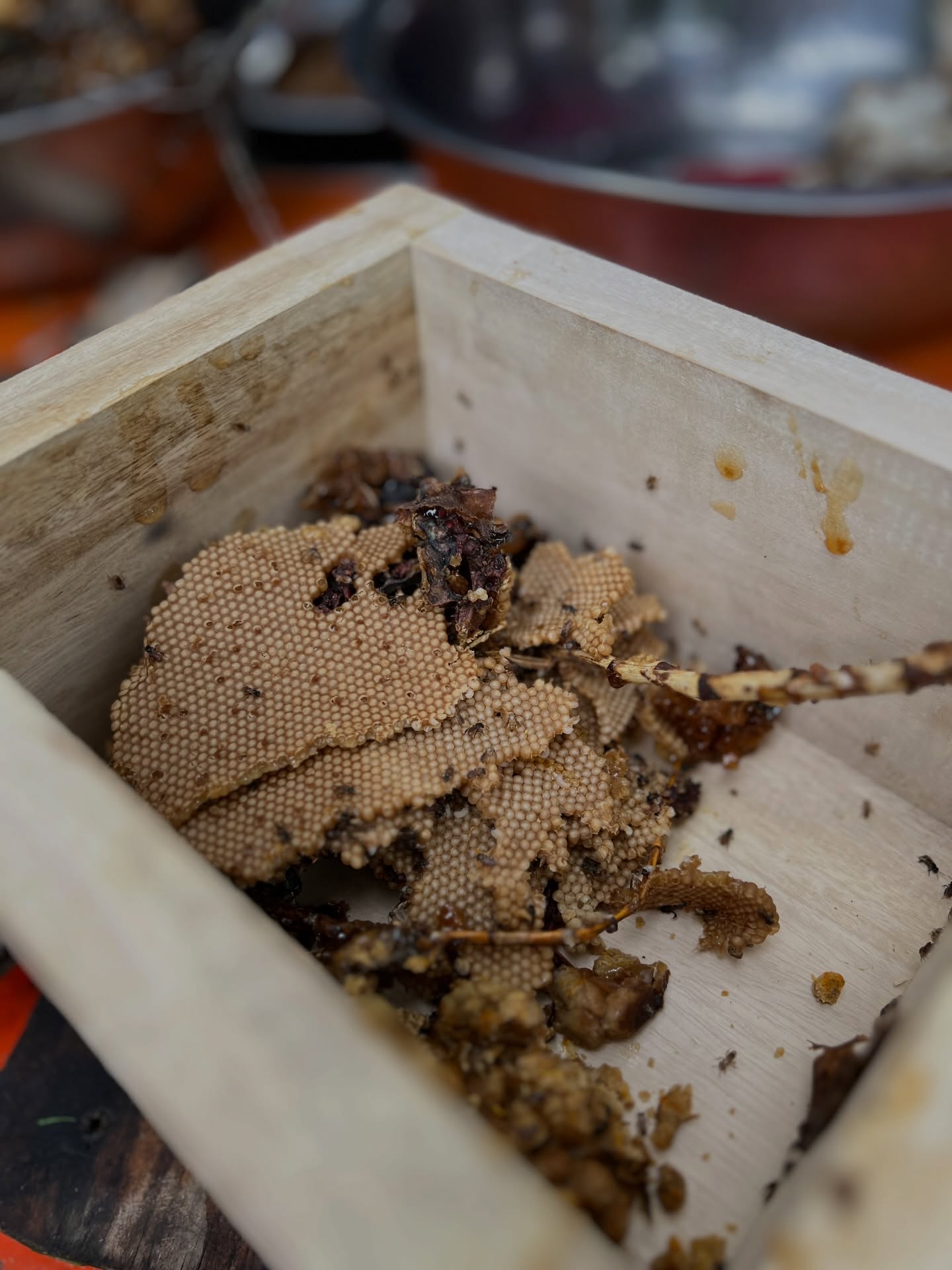
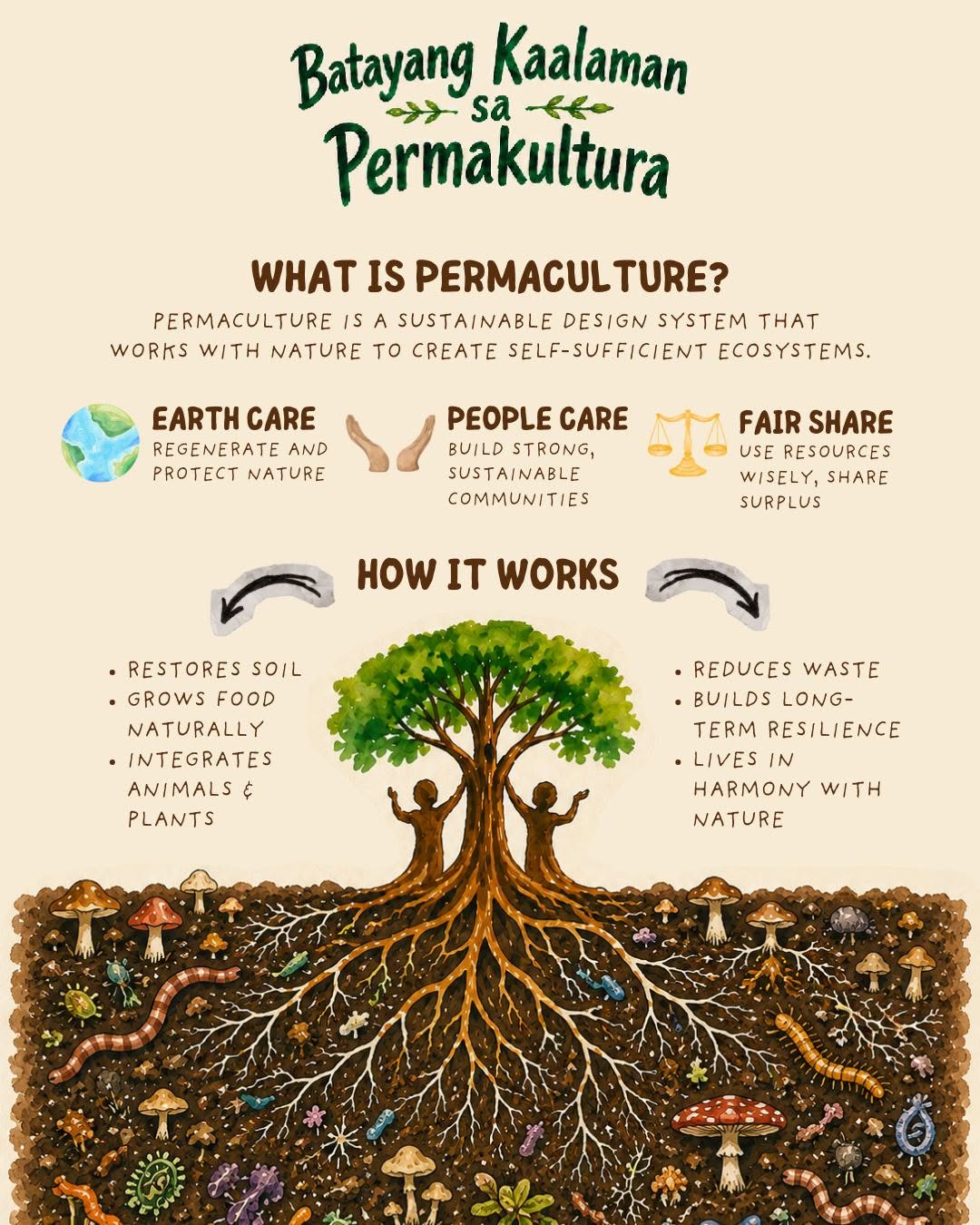
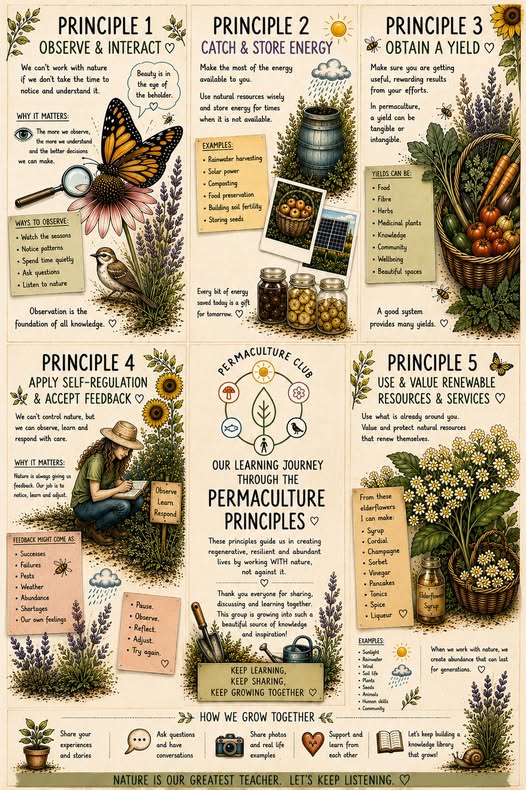
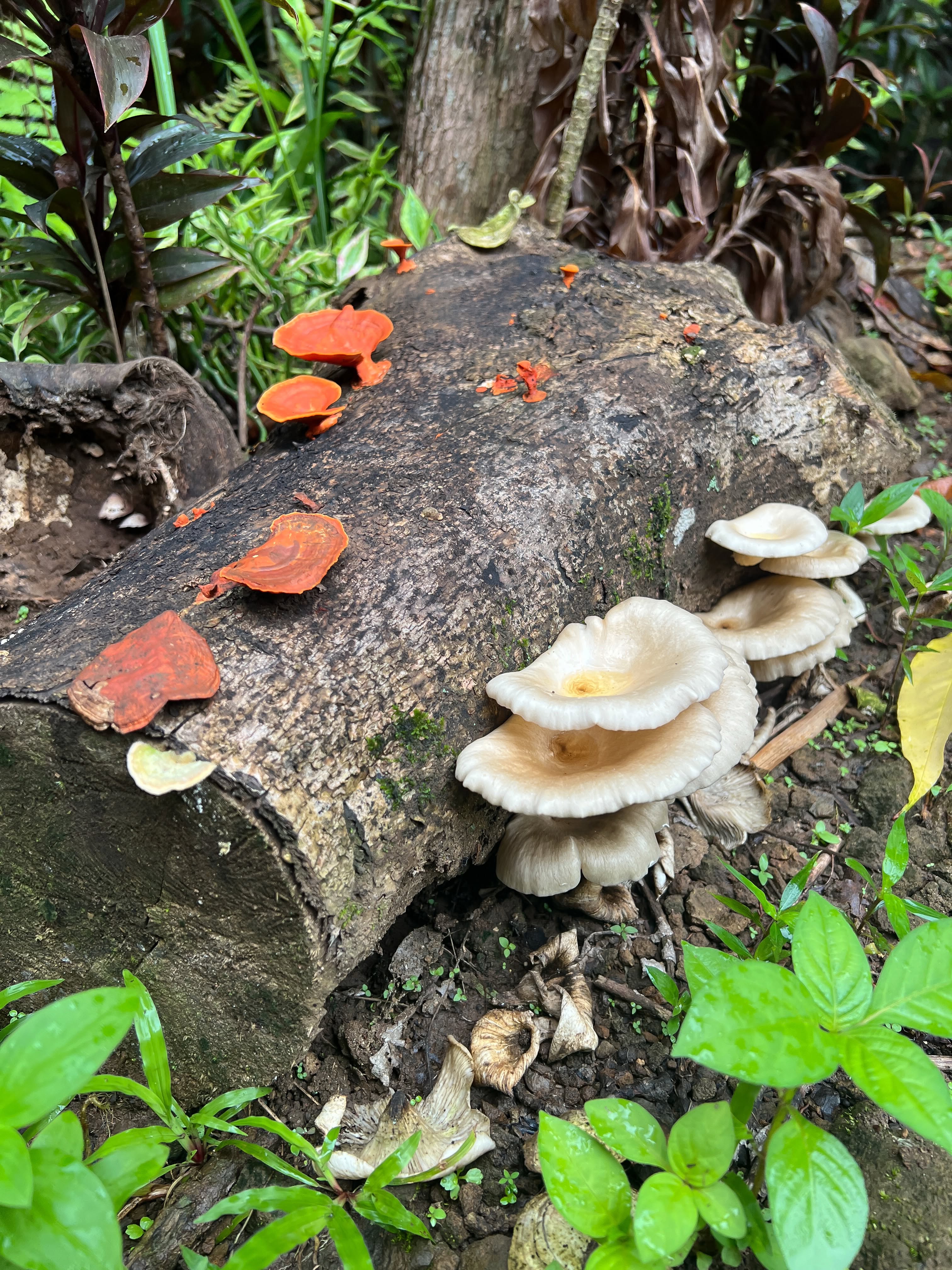
That philosophy now has a name – regenerative farming – and Wit has become one of its strongest advocates. Her focus is no longer simply on producing higher yields, but on restoring the land itself: rebuilding soil health, increasing biodiversity, conserving water, and working with nature rather than against it. Along the way, she also embraced the principles of permaculture, a design approach that views a farm as a living ecosystem where every element supports another. The fruit trees provide shade for the cacao. The stingless bees improve pollination. Organic matter returns to the soil instead of becoming waste. Nothing exists in isolation.
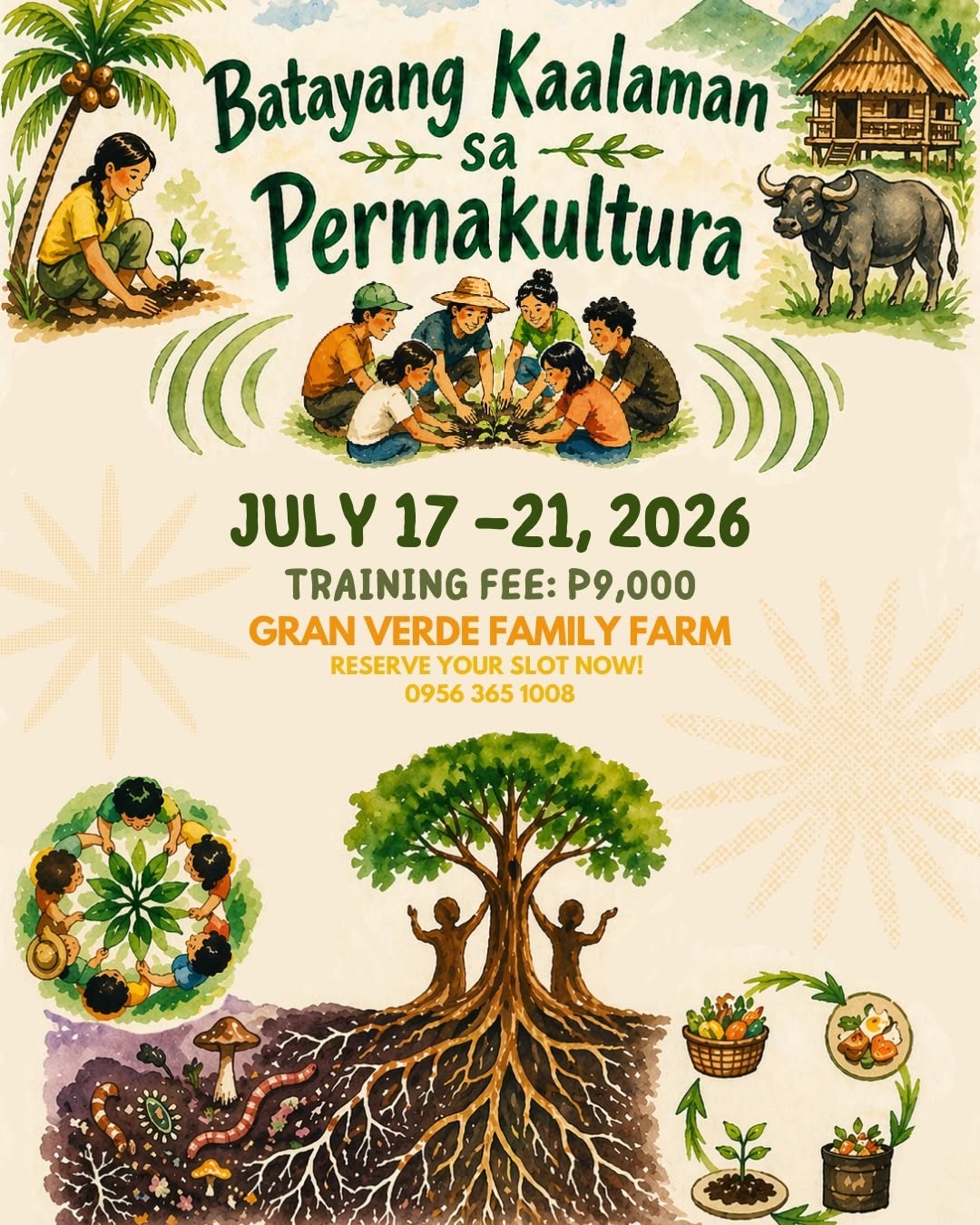
Next month, Gran Verde Farm will host another permaculture course, allowing more farmers, students, and nature enthusiasts to experience firsthand how thoughtful design and regenerative practices can work together to create productive, resilient landscapes. For us, regenerative farming and permaculture are not simply passing trends; they are our response to a changing climate and our commitment to leave the land healthier than we found it.
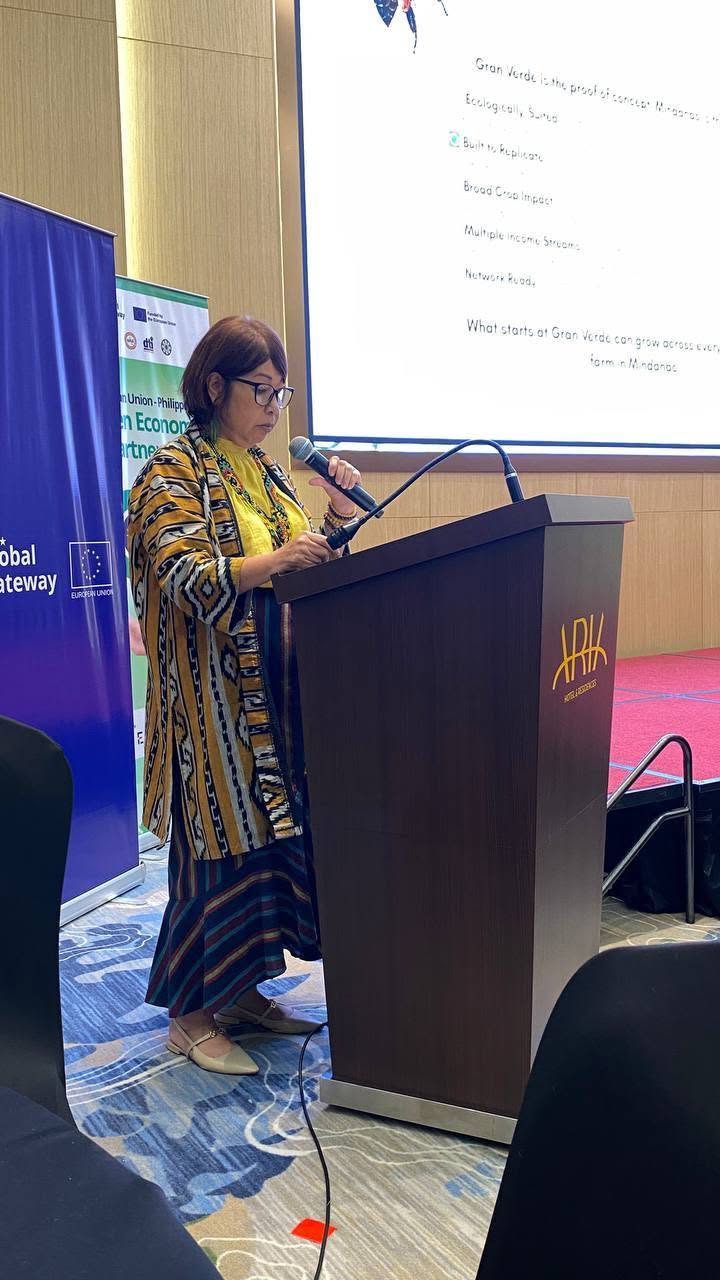
Gran Verde Farm is slowly turning profitable. Recently, Wit was invited to talk in Canada about our journey – the challenges we faced, the hard work we put in, the small victories as well as the debacles, and the dreams we continue to nurture. That Canada trip was a recognition of Wit’s toils, an event that still feels surreal when we think back to where we started: a cobra-infested pineapple field nobody else wanted. (Pls read: Wit Wows Wintry Montreal. Just click on the title.)
Our dream now seems so easy to discuss, and yet, hard to finish: to keep developing the farm sustainably, to keep creating cacao products worth being proud of, and to leave behind something the next generation can actually carry forward. If Gran Verde proves anything, it’s that limited resources and a difficult beginning don’t have to be the end of the story – not if you’re willing to clear the land one patch at a time, and change course when the land asks you to.
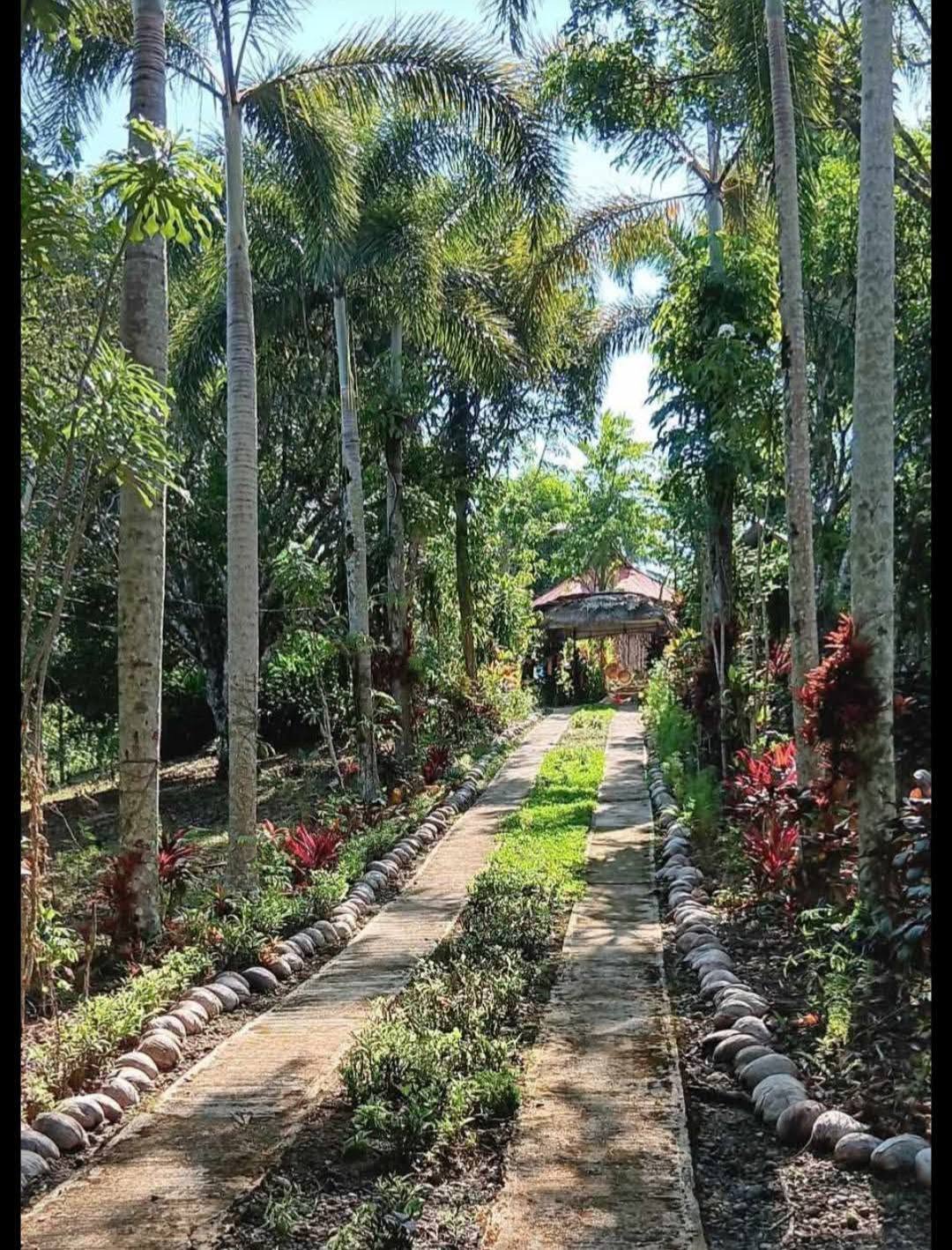
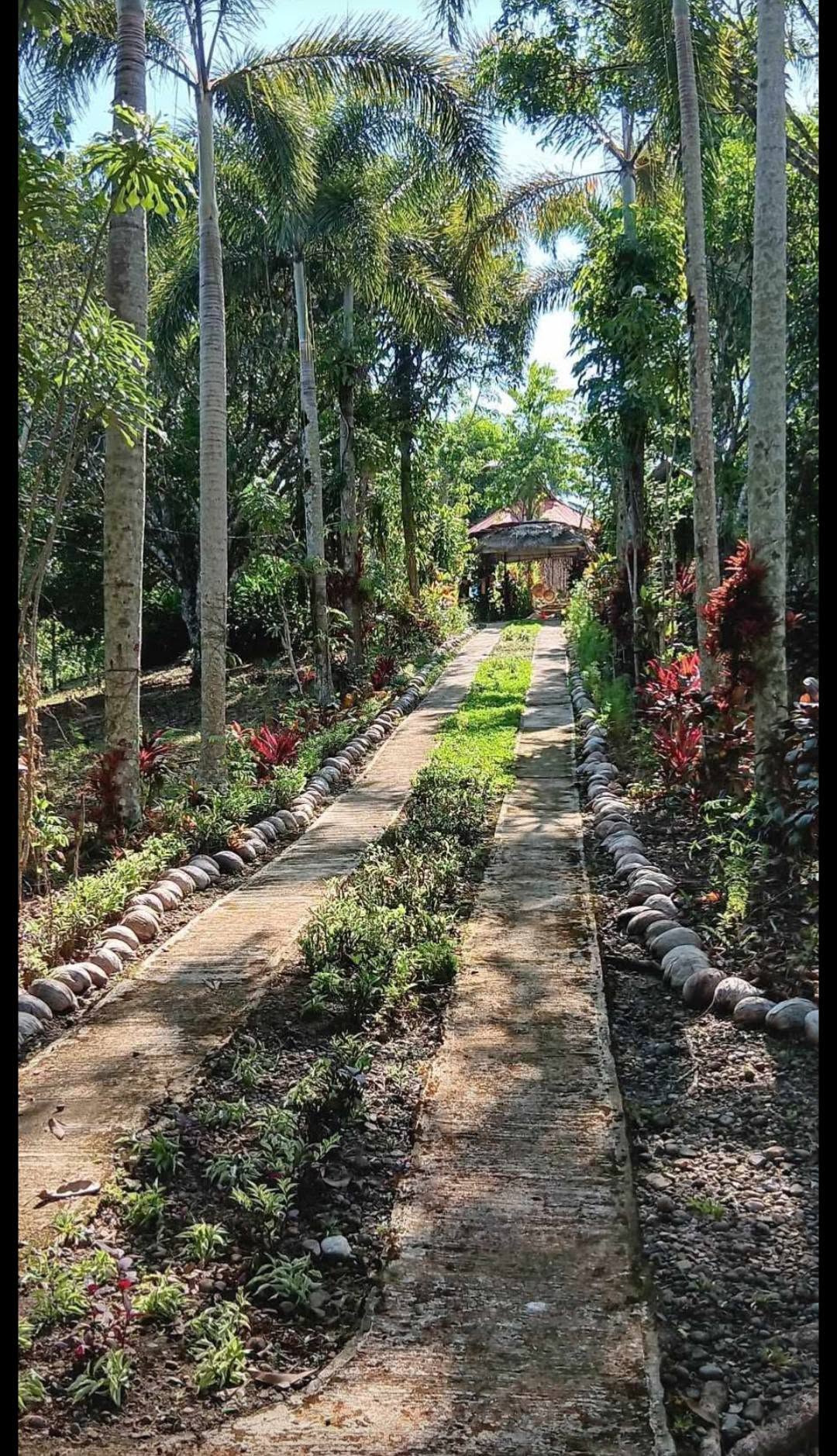
Today, when I walk through Gran Verde Farm, I sometimes stop and remember what this place once was. It is hard to imagine that these shaded cacao trees, fruit orchards, buzzing stingless bees, and laughing visitors once stood on land that people avoided – a difficult place swallowed by wild abandoned pineapples and ruled by cobras. We did not conquer the land. We listened to it, learned from it, stumbled with it, and slowly grew with it. In many ways, Gran Verde became a reflection of our own lives: scarred by setbacks, strengthened by perseverance, and transformed by hope. If there is one lesson this farm has taught us, it is that no land is ever truly God-forsaken, just as no life is ever beyond redemption. Given enough faith, enough patience, and enough hands willing to do the hard work, even the wildest places can bloom. And perhaps that is the real harvest of Gran Verde – not the cacao, the mangoes, or the honey, but the quiet proof that with God, perseverance, and people who believe in the same dream, even the most unlikely ground can become a place of abundance.
For more on the Gran Verde Farm, please feel free to browse our Facebook page at: https://www.facebook.com/granverdefarm. For more on Wit’s granola and other products, please feel free to browse our Facebook page: https://www.facebook.com/witsss.ph.
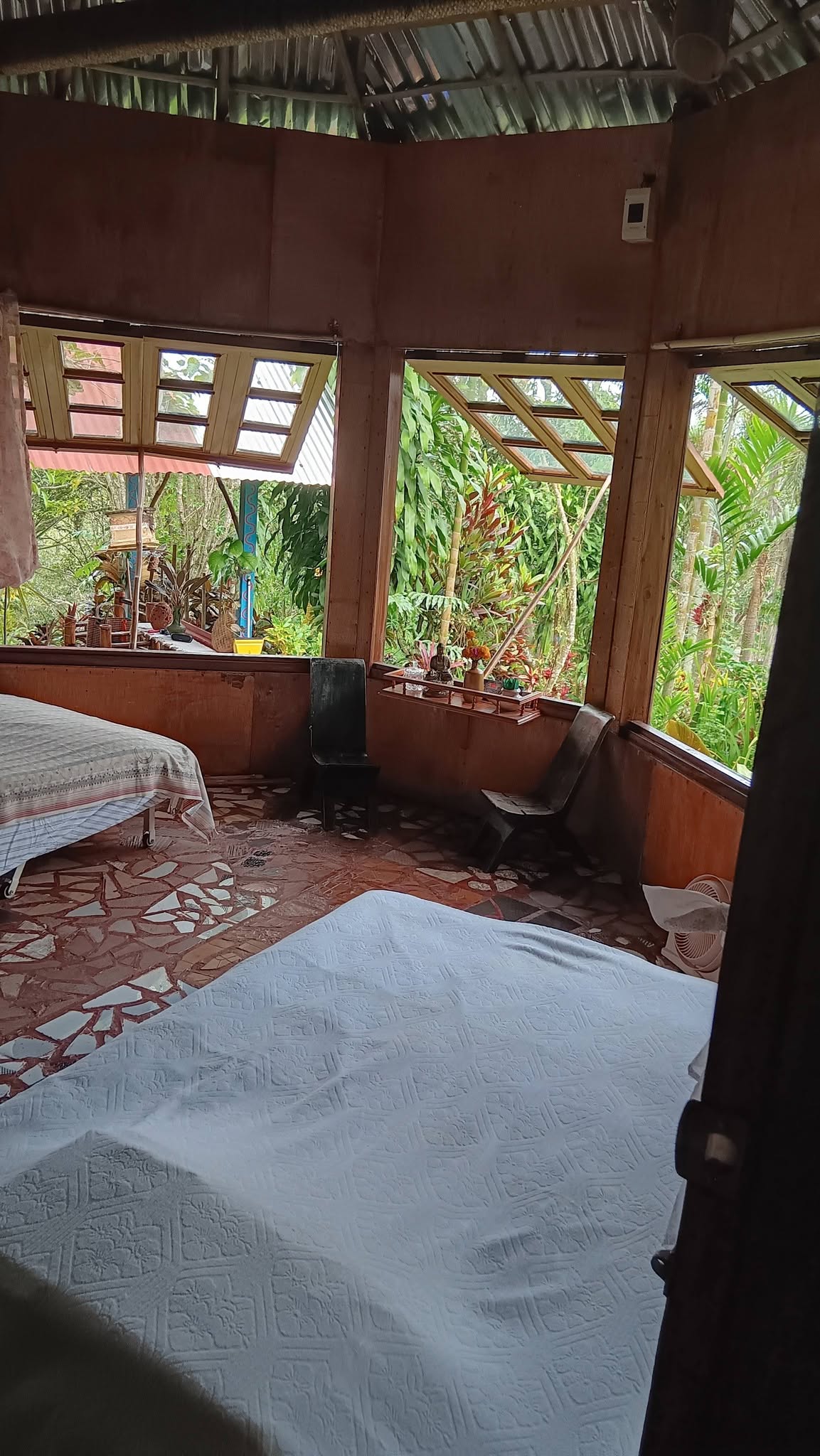
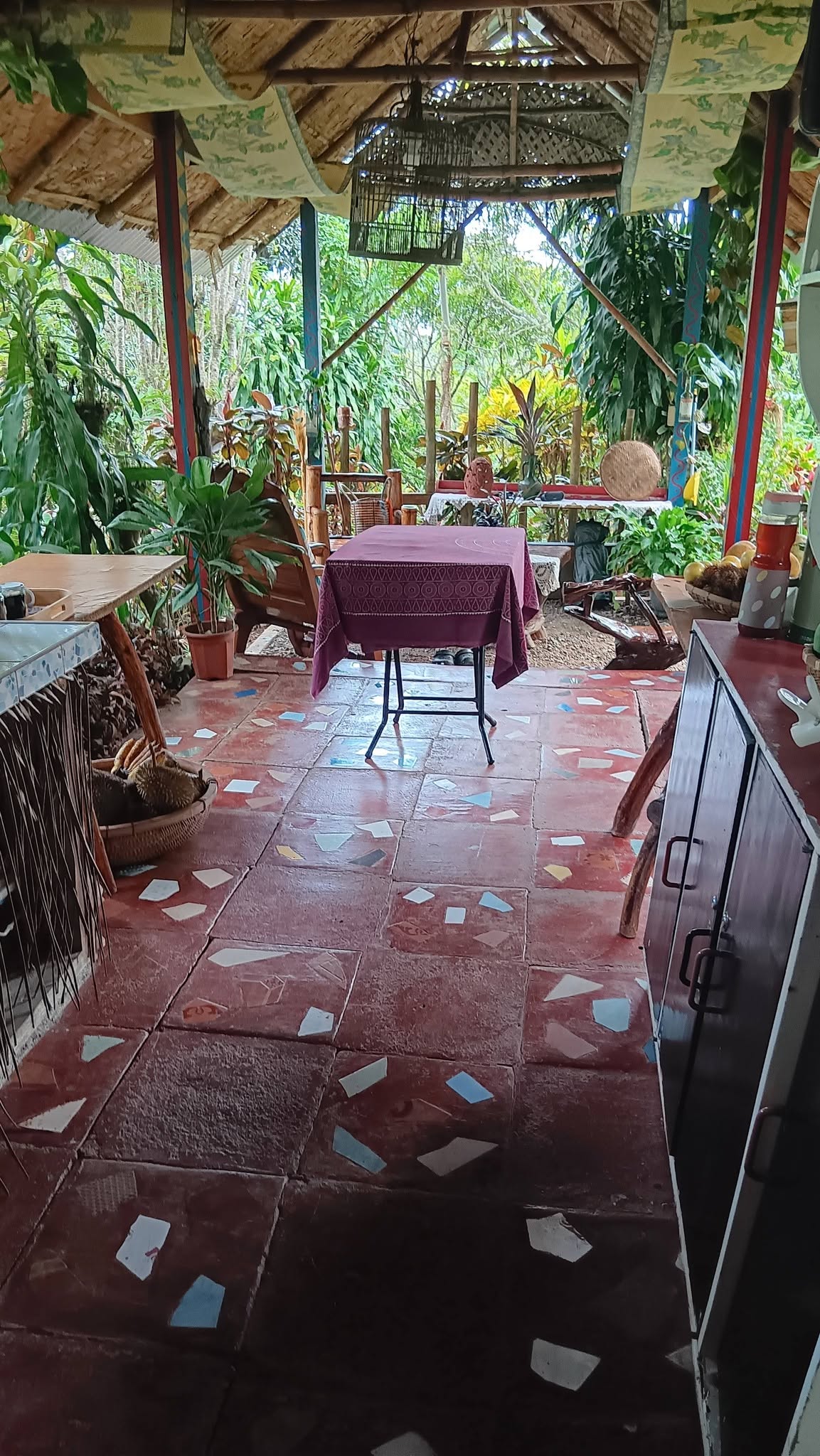
For a closer look, just click on the pics.


I have a lot to do tonight and seeing that this was a long post, I thought I’d just skim…..but then when I started reading, I couldn’t stop. What great life lessons this has for all of us and what a credit to the values you and your wife have demonstrated. And what a creative entrepreneur is that wife of yours. No wonder she has been asked to speak about her experience. Congratulations to both of you and keep writing!
LikeLiked by 1 person
Thanks, Don, for the encouraging words. As always, you inspire me to keep on writing. It’s good to have appreciative guys like you around. It gives me the added boost to just scribble on.
LikeLike
This is such a compelling, inspiring, and well-told story about transforming land and lives and ecosystems. The practical wisdom you shared is something that could benefit communities around the globe, and I’m grateful to hear Canada was interested in learning more!
LikeLiked by 1 person
Thank you so much, Carol. The Farm has definitely taught me – and matured me – in more ways I can imagine. And my wife has played a huge role, not just in my personal growth, but in that of the farm, the people tending the farm, and the community that has learned and benefited from it.
LikeLiked by 1 person
As someone who has tried to reclaim a very small plot of land in a residential area on the edge of a city, I am in awe of the transformative work you and Wit have accomplished. I have tried to engage neighbors as partners here, but few have been interested. Even my family has little time to be involved. Sadly, that seems the way most people’s lives are like here now.
LikeLike
Very true, Carol. Even in my wife’s family’s property, it seems that she is the only one who is genuinely invested in making the farm work. Hopefully, when they see the fruits of her toil, and the hard work she has put in, the interest to develop it further will be enhanced. Patience, my dear, is something farmers must have much of.
LikeLiked by 1 person
😊🪶
LikeLike
Thank you so much! You inspire me to write on.
LikeLiked by 1 person