Developing Our Athletes, Building a Resilient Citizenry, Strengthening the Nation
In the previous installment, we discussed the need to sustain our athletes – not only through training and competition, but also through the provision of crucial institutional support, employment opportunities and financial security they need in order to remain focused on pursuing sports excellence. For Part 3, we discuss a proposed framework which will address the key issues that continue to hamper our dreams for sports excellence.
Sustaining athletes is only one part of the challenge. We must also ensure that the entire process – from a child’s first exposure to sports, to the development of an elite athlete – is properly supervised and supported.
We need a framework that will bring together the various institutions involved in Philippine sports development, define their respective roles, identify the gaps and address them head on to ensure that no promising talent is lost along the way. We need a process that will guide and support our athletes through the different phases of their development.
Equally important, we need a system that does not merely prepare athletes for the next international competition, but will continuously look for opportunities to develop the next generations of athletes.
Building a National Sports Development Framework
The PSC, the POC and its National Sports Associations (NSAs), the DepEd, the local government units (LGUs), the universities, the AFP and private-sector partners all acknowledge that they have important roles to play. But their individual efforts will have greater impact if they are organized around a common pathway for developing athletes, and if they are willing to set aside institutional rivalries and work toward a common objective.
The challenge is to turn the country’s enormous reservoir of sporting talent into a sustained pursuit of international sporting excellence.
How do we do that? Not simply by spending more money on our elite athletes, but by building a sports ecosystem that develops talent from childhood and sustains athletes throughout their careers.
Our proposed playbook is straightforward. We tried to trace the significant milestones in an athlete’s career development, and from there, developed a playbook of sorts. Using the acronym PLAYERS, this playbook follows a step-by-step process:
a. PARTICIPATE AND PLAY; b. LOOK FOR TALENT; c. ACCELERATE SKILLS DEVELOPMENT; d. YOUTH TALENT NOURISHMENT; e. ENTER COMPETITION; f. REACH FOR EXCELLENCE; and g. SERVE THE NEXT GENERATION.
PLAYERS provides a simple yet catchy pathway that starts from grassroots participation until it graduates to elite performance, and ultimately develops into a commitment to serve the next generation.
Each stage has a distinct purpose. Every institution with a role to play must understand where it fits into the process. The goal is to make the journey from a child’s first experience in sports to the national and international podium a connected and continuing process rather than a series of independent and vaguely-connected programs.
Here is what the PLAYERS Framework offers, including the lead agencies in each phase:
P — PARTICIPATE AND PLAY (PSC, DepEd, LGU, AFP)
At an early age, we must give every child opportunities to experience sports through schools, communities and local programs. The aim is to make sports accessible, enjoyable and be an integral part of a healthy, active lifestyle. Before we can discover champions, we must first give children the opportunity to play, so that they develop an initial interest in this fitness endeavor. The PSC provides the overall sports development strategy for the country. The schools will be the primary handlers; while the LGU and the AFP can conduct summer programs to introduce the kids to the joys of sports.
L — LOOK FOR TALENT (DepEd, LGUs)
As they gradually move up in school, we must identify children who demonstrate the aptitude, potential or a particular interest in specific sports. Schools, physical education teachers, community coaches and local competitions can serve as the first points of discovery. Talent must be recognized early and given the opportunity to develop. The LGUs can provide the facilities and other support elements.
A — ACCELERATE SKILLS DEVELOPMENT (DepEd, NSAs)
As young athletes make progress in their chosen sports, DepEd provides the school-based foundation, while the NSAs bring in the technical expertise and specialized coaching. They help promising athletes improve through qualified coaching, structured training, appropriate facilities and regular competition. Natural ability alone is not enough. Talent must be developed systematically if it is to reach its full potential.
Y — YOUTH TALENT NOURISHMENT (POC, NSAs, AFP, private sector sponsors)
The NSAs, with coordination with the POC, sustain the young athletes as they grow by assisting in providing mentorship, education, financial assistance, proper nutrition, medical care and family support. The AFP, as well as other like-minded organizations/initiatives such as the Atletang Ayala program, can assist in providing the athletes’ needs. The objective is to prevent promising athletes from dropping out because of financial circumstances beyond their control.
E — ENTER COMPETITION (DepEd, LGUs, NSAs)
DepEd and the LGUs spearhead the effort to give developing athletes opportunities to test their skills through school, community, provincial, regional and national competitions. Competition builds experience, reveals areas for improvement and prepares athletes for higher levels of performance. The NSAs assess their readiness for higher-level competition. Our universities play a key role under this phase, particularly in providing scholarships, coaching, facilities and competitive opportunities. A good model here is the successes acquired by the National University in youth/sports development.
R — REACH FOR EXCELLENCE (NSAs)
At this point, it is the NSAs that provide the most promising athletes with advanced coaching, sports science, international exposure and sustained institutional support. This stage prepares them to compete at the highest levels, including the Asian Games and the Olympics.
S — SERVE THE NEXT GENERATION (PSC, DepEd, AFP, private sector sponsors)
As the athletes’ competitive careers come to an end, they are encouraged to give back as mentors, coaches, ambassadors and role models. They can do so by joining organizations with strong athlete legacy programs leading to coaching and mentoring of next generation of athletes. Their experiences can inspire young Filipinos, reinforce the values of sportsmanship and help develop the next generation of athletes and responsible citizens.
Together, these seven stages create a continuing PLAYERS pathway: from participation to talent discovery, from development to competition, from excellence to service.
It is important to emphasize that PLAYERS is not meant to be a rigid, one-way process. Athletes develop at different rates, and their journeys may take different routes. What matters is that opportunities and support are provided by agencies/institutions with specific roles at every stage, and that transitions from one phase to the next are not left to chance.
The strength of this approach is that it treats sports development as a continuing process rather than a series of preparations for international competitions.
Making the Framework Work
Of course, no single institution can do everything. The success of PLAYERS will depend on how effectively we bring together the institutions that can contribute to each stage.
DepEd can provide the foundation through physical education and school sports programs, while helping identify promising young talents. LGUs can make facilities and community programs accessible, and organize local competitions.
The NSAs can provide technical direction, specialized coaching and training programs for their respective sports. Universities can offer education, competitive opportunities and pathways for further development.
The PSC provides the overall strategy, and should help coordinate national development priorities. It will support the different stages of athlete development and provides sustained assistance to priority sports. The POC and its member associations can contribute their expertise in preparing athletes for international competition.
The AFP can contribute both at the grassroots level, through the participation of soldier-athletes in introductory sports activities, and at the elite level, through its established athlete-enlistment program. Private companies and foundations can help sustain athletes through employment, scholarships, sponsorships and other forms of support.
The important thing is that these contributions should not operate independently of one another. We need to establish a system in which the progress of an athlete from school sports to elite competition is supported at every stage.
For this to work, responsibilities must be clearly defined, funding must be sustained, and progress must be measured.
We need to know not only how many medals our athletes win, but also how many children participate, how many promising athletes are identified, how many receive structured training, and how many successfully progress to higher levels of competition.
A national sports development framework should produce measurable results, not merely another plan on paper.
Setting Our Sights Higher
The next Asian Games should serve as a milestone in this continuing effort.
We can begin by reviewing every sport in which we competed in Aichi-Nagoya. We should identify our strongest medal prospects, examine performances that fell just short of the podium, and determine where targeted support could produce the greatest improvements.
We should also establish clear development targets for our priority sports, with specific responsibilities assigned to the institutions involved.
Having finished 17th in the last Asiad, a top-15 finish at the next Games would be a reasonable planning ambition. But our preparations should not be driven by rankings alone. We must build the depth of talent, coaching expertise and institutional support needed to sustain better results over time.
The measure of success should be more than whether we finish several places higher in the medal standings. It should be whether we have developed more athletes capable of competing for medals, provided them with the support they need, and established a pipeline of younger athletes ready to follow in their footsteps.
The 2026 Asian Games have given us reasons to be hopeful. We won more medals, reached the podium in a wider range of sports and demonstrated that Filipino athletes remain capable of competing with the best in Asia.
Now we must build on that progress. The task is to turn individual achievements into institutional strength, isolated successes into a continuing tradition of excellence, and the aspirations of our young athletes into opportunities they can actually pursue.
Beyond the Medals: Developing Our People and Building the Nation
Ultimately, I believe the nation’s sports-development program should be about much more than medals. The late great Nelson Mandela articulated that Sports has the power to inspire, unite and transform people. It brings together individuals from different backgrounds and gives them a common purpose. It teaches lessons that go well beyond the playing field.
Properly guided, sports can help develop leadership, discipline, perseverance, teamwork, humility and respect for others. It can nurture national pride, strengthen social cohesion and teach young people the value of fair play and personal responsibility.
Competitive sports also teaches us how to deal with adversity – to accept defeat, learn from mistakes, get back up and try again. These are qualities that serve people well not only in competition, but also within their families, workplaces and communities.
Of course, participation in sports does not automatically make someone a better citizen. The environment in which children train matters. Coaches must model integrity, parents must reinforce good values, and institutions must reward fair play and responsible behavior as much as they celebrate victories.
This is why I believe sports development should be regarded as an investment in human development. If we can give more Filipino children access to sports, provide them with good mentors and help them develop their abilities, we can create opportunities for them to become not only better athletes but also more responsible members of society.
Those who reach the highest levels of competition can then become role models for the next generation. Our own sporting heroes – from Lydia De Vega and Bobby Jaworski to Manny Pacquiao, Hidilyn Diaz and Carlos Yulo – have shown how individual achievements can inspire millions. Their experiences can help young athletes understand the importance of discipline, humility, perseverance and service.
In this sense, the pursuit of sporting excellence and the development of good citizens need not be separate objectives. They are complementary and can reinforce each other.
A nation that develops disciplined, principled and capable people strengthens its ability to compete in every field – not only in sports, but also in education, business, public service, science and the other endeavors that shape our future.
This is the larger purpose I see in building a stronger Philippine sports system. We should aspire to win more medals, certainly. But ultimately, we should aspire to develop generations of hardy Filipinos who are physically capable, mentally resilient, morally grounded and totally committed to something greater than themselves.
The challenge is before us. We have the talent, the institutions and the examples of success. What we need now is the collective will to bring them together and sustain the effort.
Let us give every Filipino child the opportunity to play. Let us find and nurture our talents. Let us provide our athletes with the support they need to excel. And let us encourage those who succeed to give back and help the next generation.
Let us build a sports system that does not simply produce champions, but develops people who can build a stronger nation. Beyond the medals, let us build a nation of PLAYERS – athletes who inspire, citizens who serve, and generations of disciplined Filipinos ready to meet the challenges of the future.
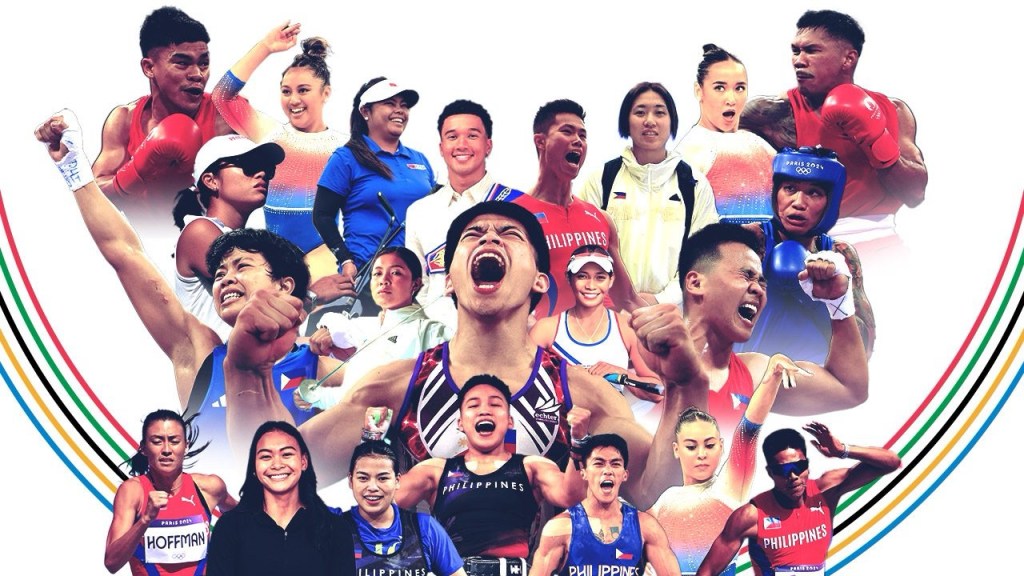
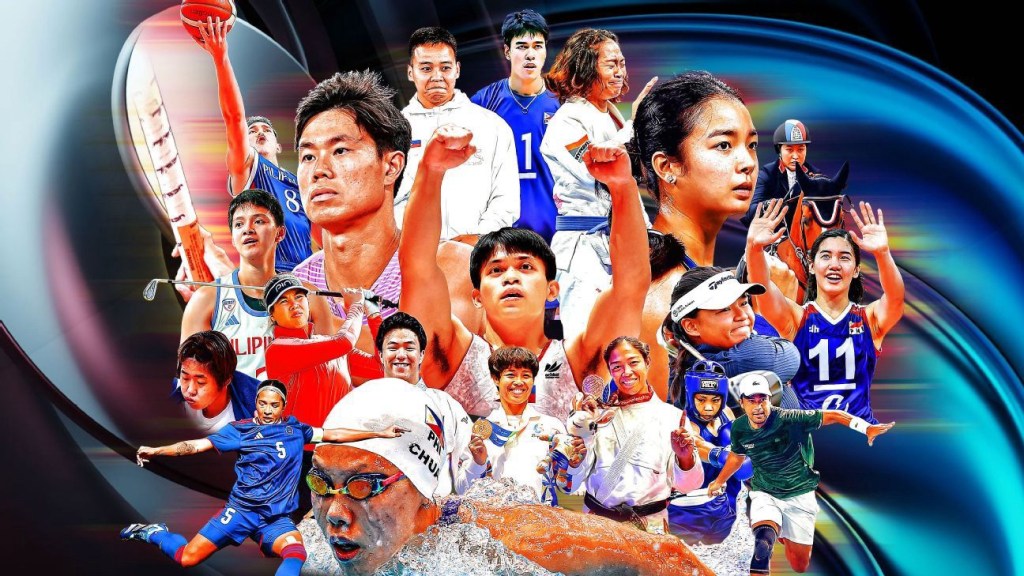
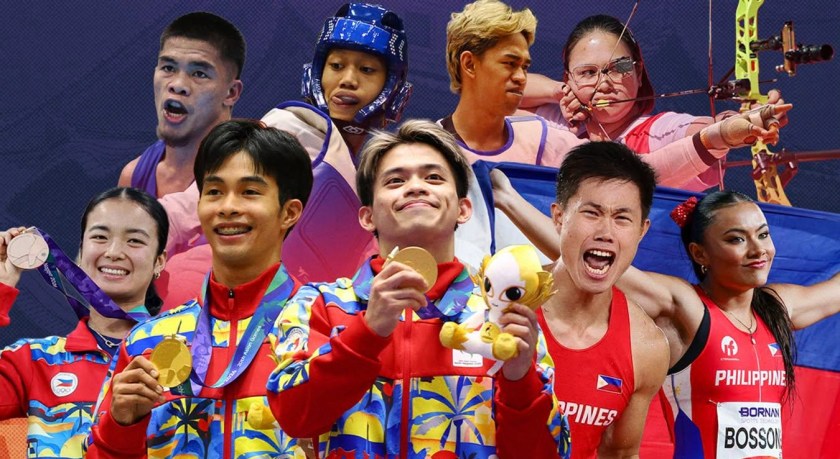
Cover pic courtesy of Rappler. Other pics courtesy of Instagram and Rappler.