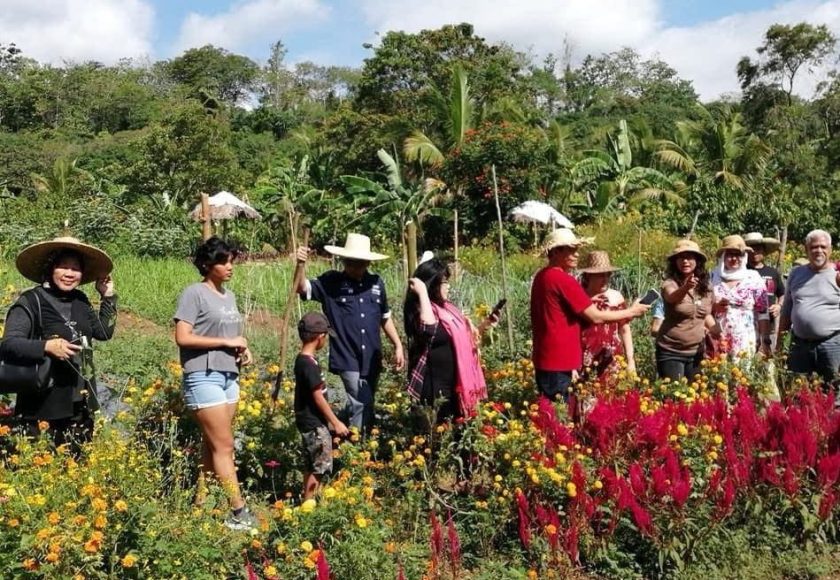
Day 5 – Growing Beyond the Workshop
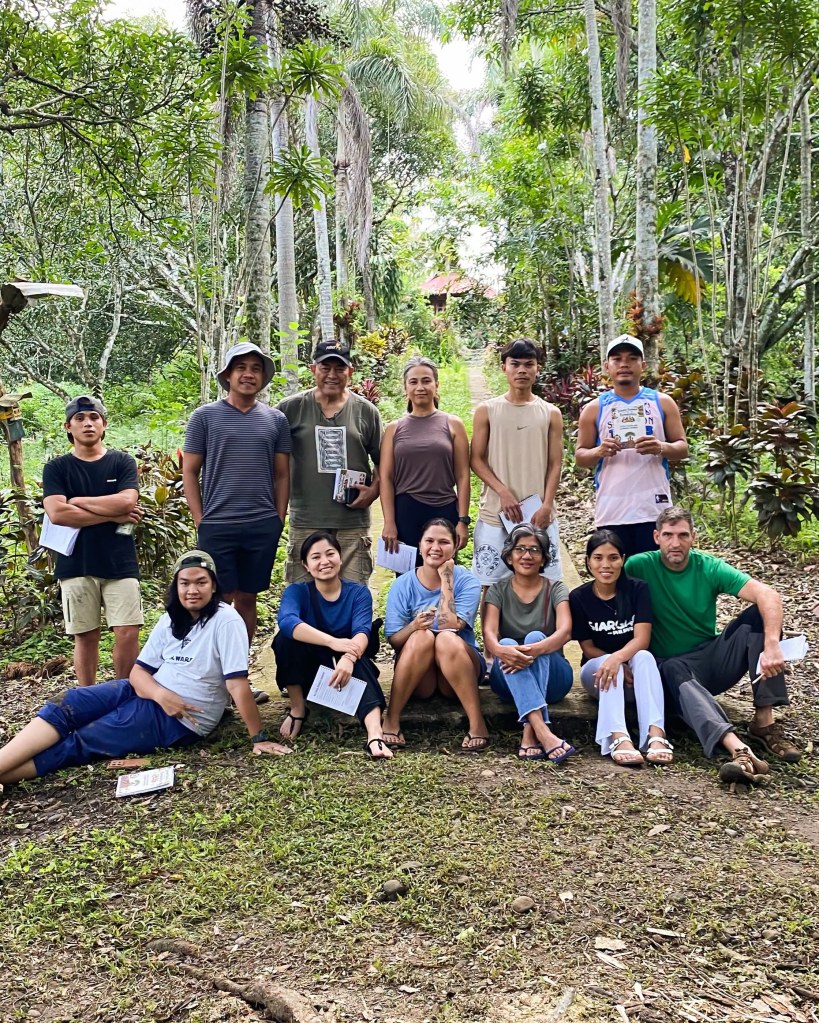
Day 5 was the last day of the workshop. The question that needed to be asked then was: “What happens after everyone goes home?” They say that a workshop that ends at the closing ceremony has failed; while a workshop that quietly changes the way people live has succeeded.
I’d like to believe that this one has succeeded. I can see it in the enthusiasm, the envigorated state among our participants. I see it in the creative ideas we collectively volunteer. And in my own small way, I too am determined to make some positive changes to make my own little corner of the world a better place to live in.
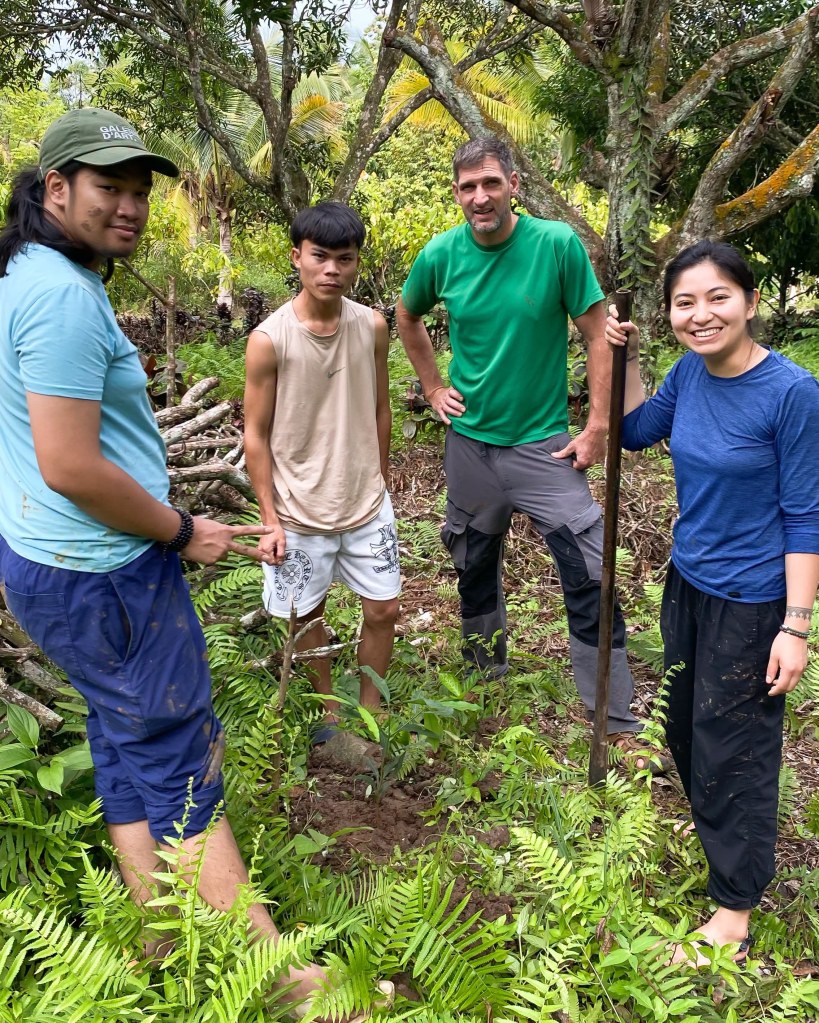
These last five days almost mirror the growth of a tree. In Day 1, we observed the seed. In Day 2, we tried to understand how it grows. In Day 3, we saw how that seed connected to everything around it. In Day 4, we learned to design a place where that seed can flourish optimally. Today, Day 5, we have recreated ourselves into becoming its caring gardener.
And I wish to thank our facilitators who did not only plan for a series of lectures, they actually designed our transformation.
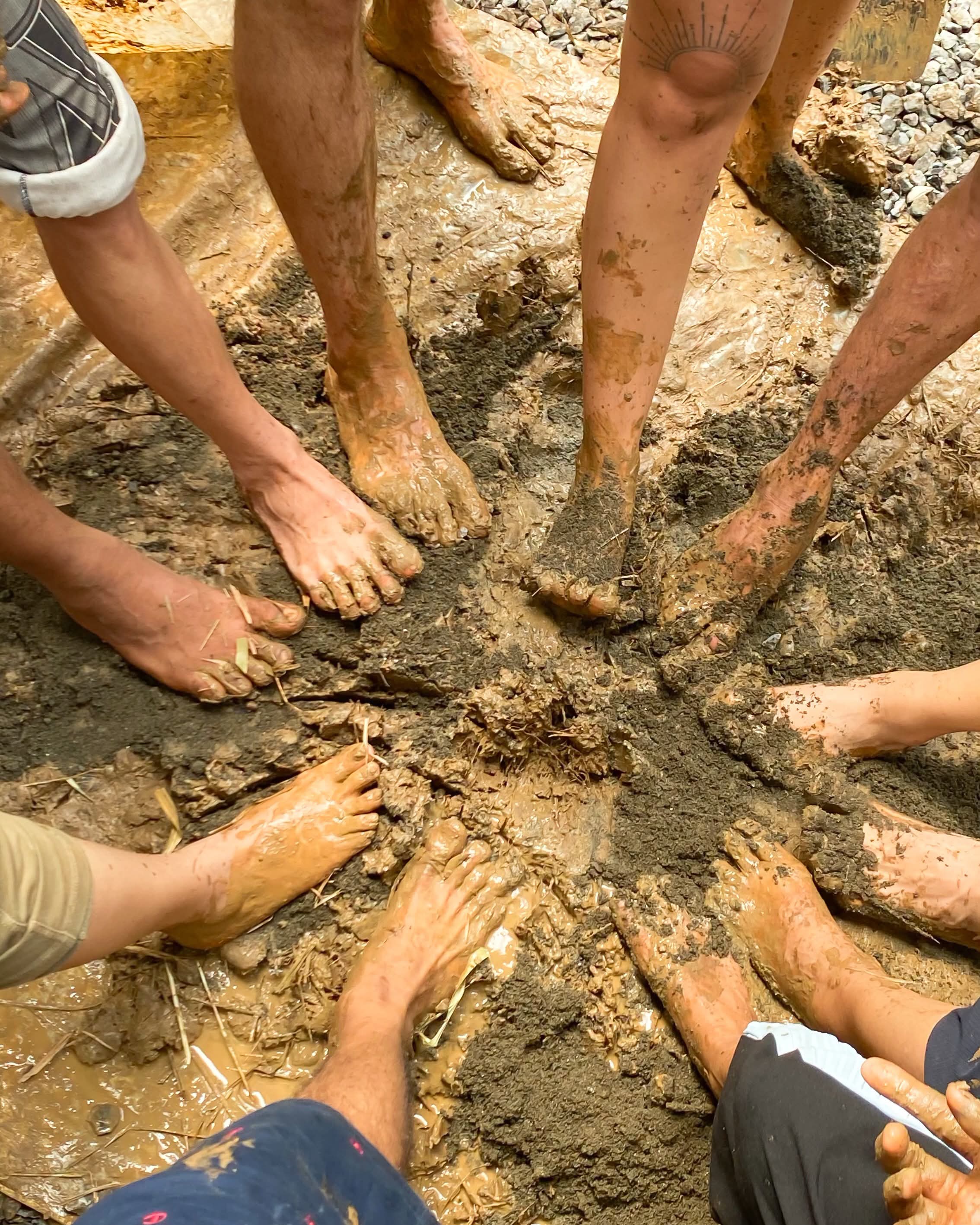
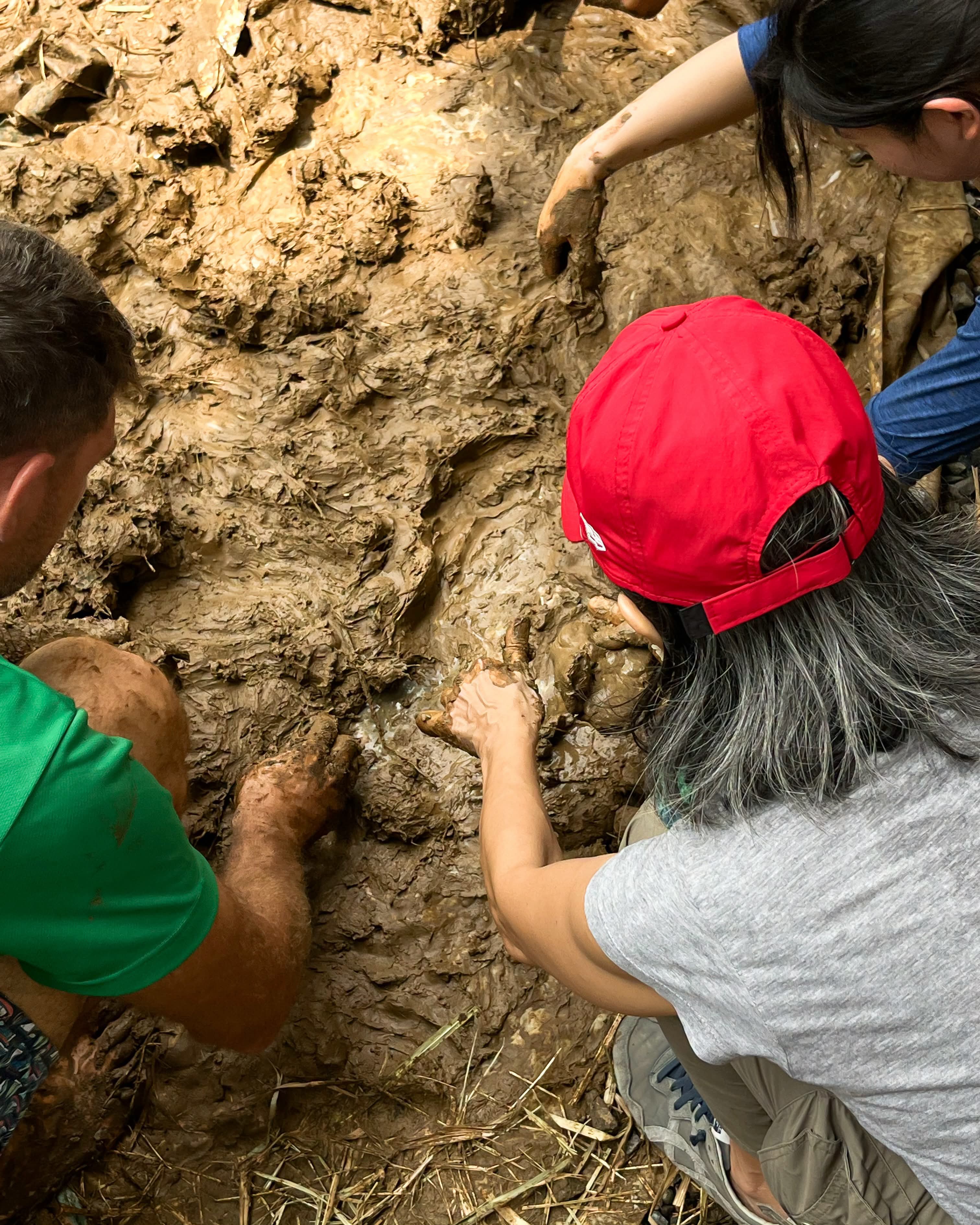
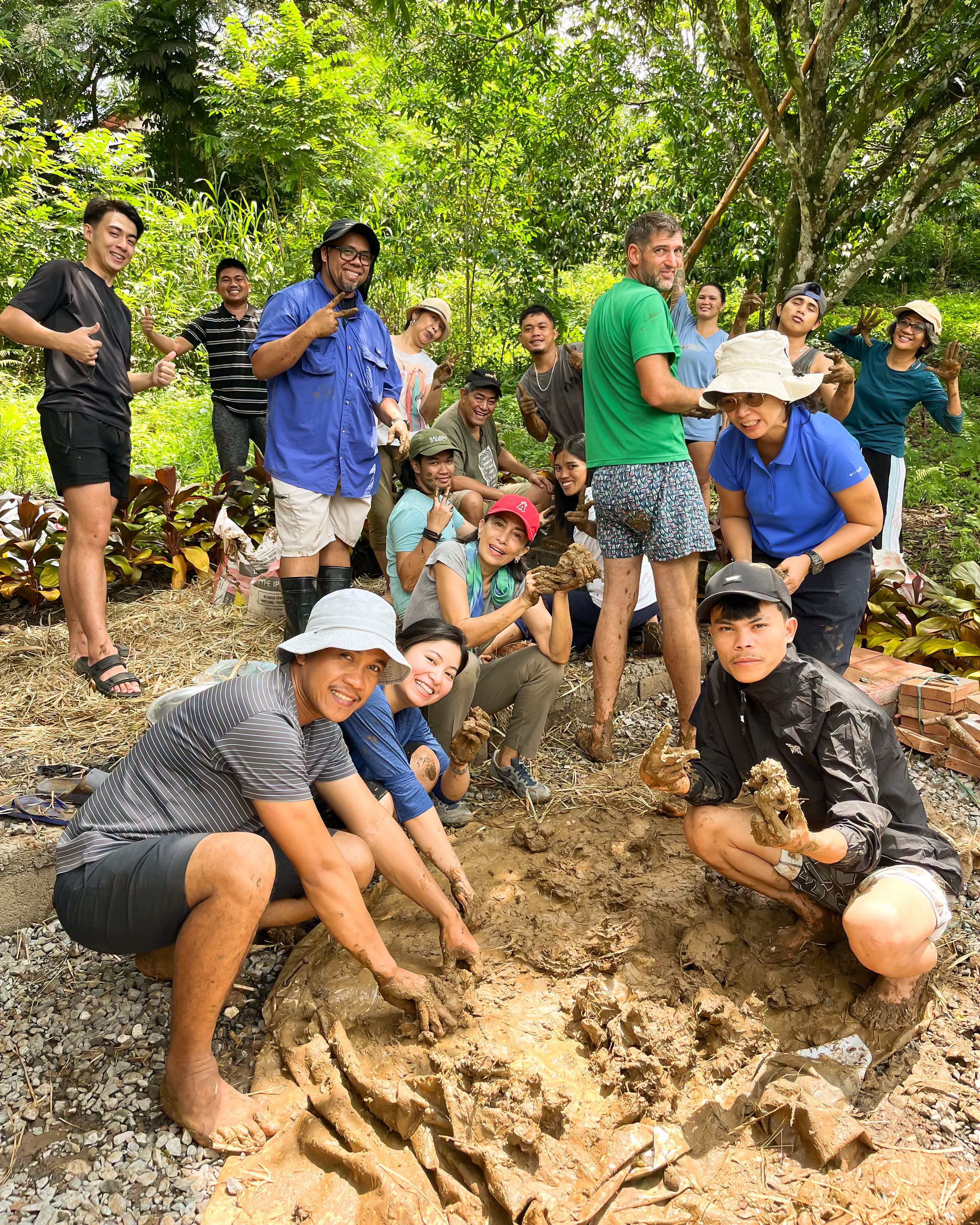
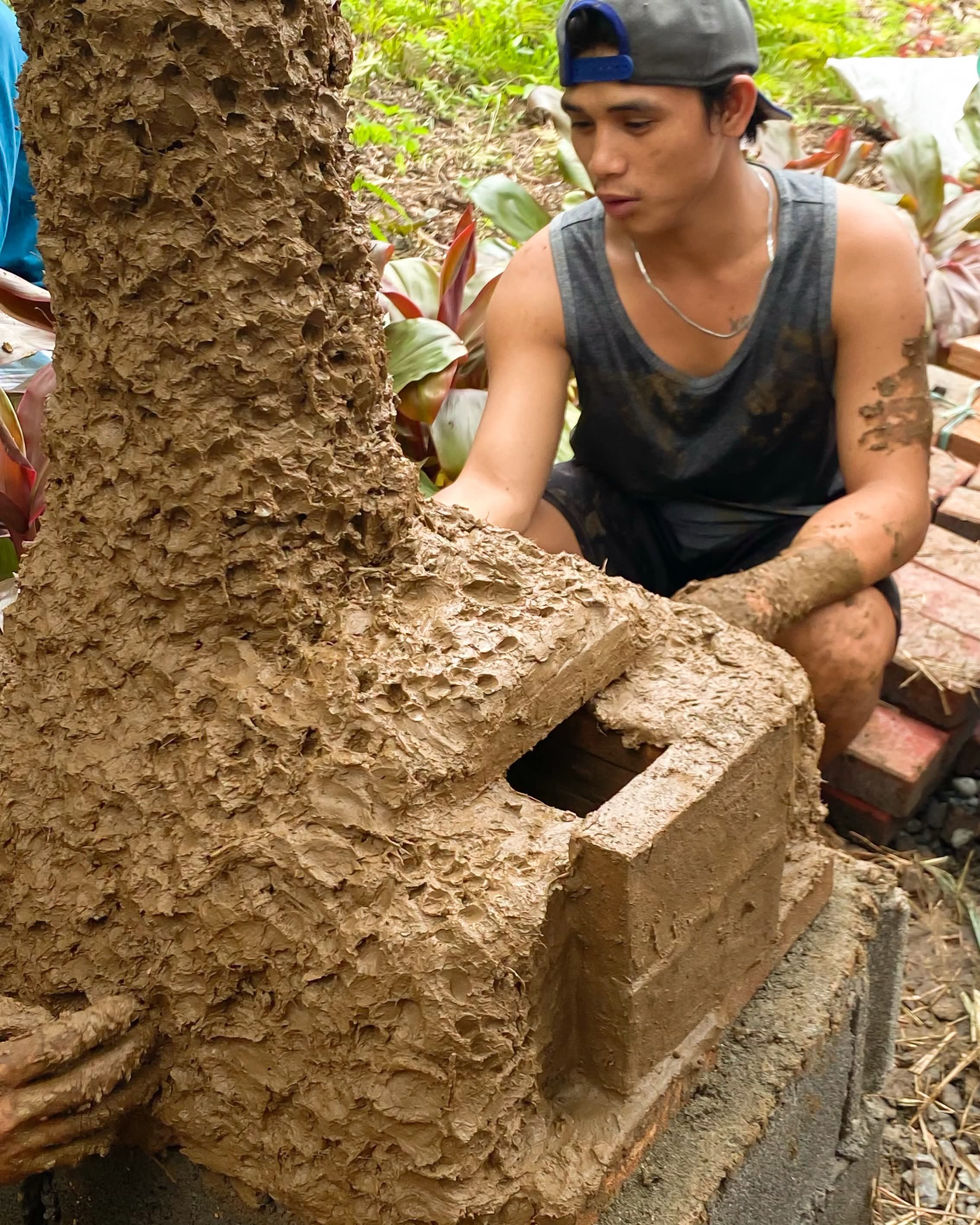
The first order of the day was the creation of a clay oven. At first glance, the exercise seemed like a simple construction exercise. Except that it wasn’t. The clay oven creation was a perfect metaphor. We didn’t buy a ready-made oven. Instead, we built one. From earth. With our own hands and feet. Working alongside other like-minded people. Now, that is permaculture in miniature. There’s Nature. Community. Purpose. Simple technology. A lasting value.
As we pressed the cool clay beneath our feet, mixing earth, sand, and water into something useful, I realized we were building far more than an oven. We were rediscovering an old truth: that the earth has always provided what we need, if only we learn to work with it instead of against it.
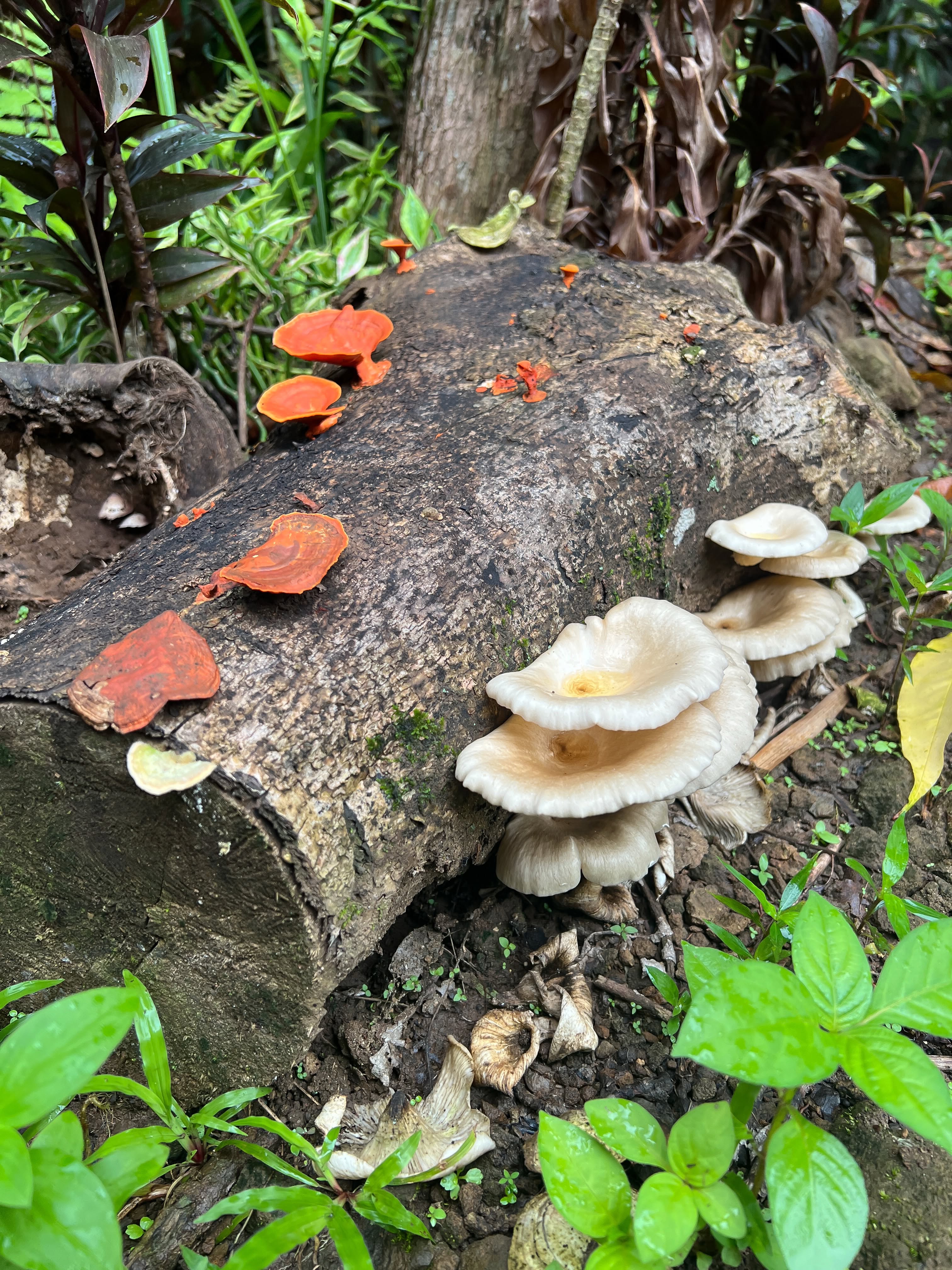
And then we had a session on medicinal plants. (And I’m mighty proud to say that it was Wit who presented the topic.) Again, it wasn’t really about the herbs. I’d like to think that it was more about memory. For generations, Filipino families knew about these plants. About the powerful magic they could provide. But many of us seem to have forgotten.
Permaculture isn’t only about innovation. Sometimes, it’s about remembering. There are certain traditional remedies that our ancestors have left us with, something we could all be proud of. That is a beautiful thought.
After five days, I carried with me so much more bright innovative ideas and new knowledge. And I was rearming myself with a different way of seeing things.
Today, I no longer look at a patch of soil as simply empty ground waiting to be developed. I see a living community quietly sustaining countless forms of life beneath my feet. I no longer think of waste as something to throw away, but as a resource patiently waiting for another purpose. I no longer see a farm as merely a place that produces food. I see it as a classroom, a sanctuary, and a promise to future generations.
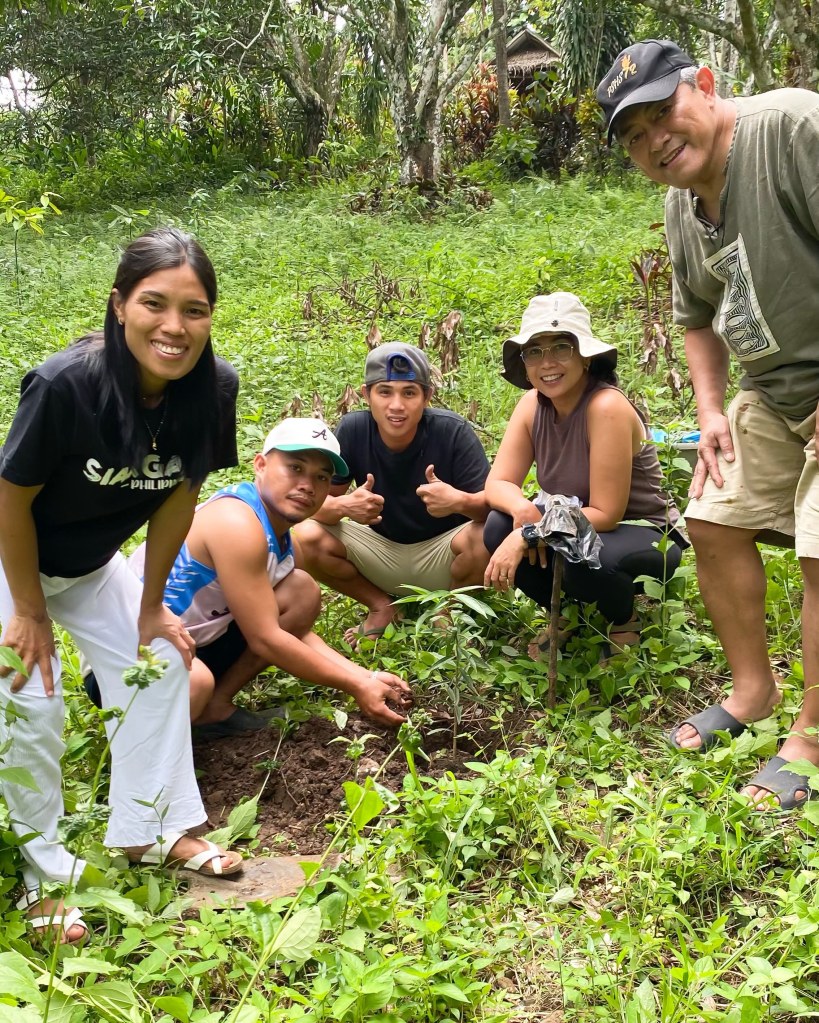
And perhaps, that was the workshop’s greatest gift. It taught me that stewardship is not reserved for environmentalists, scientists, or large landowners. It belongs to all of us. It begins in the choices we make each day. The trees we decide to plant. The plastics we choose not to use. The compost piles we create. The local farmers we support. The children we teach to love the earth.
These may appear to be small acts. But nature has always taught us that small things, repeated faithfully, eventually transform entire landscapes.
At the end of the workshop that afternoon, I found myself smiling at an unexpected realization. I had arrived thinking I was attending a workshop on farming. I had joined the workshop primarily to oblige my wife, being the “agree-culturist” that I was. Instead, I found out that I had been invited into a quieter, deeper conversation about life itself.
The course never really taught me how to cultivate the land. Instead, I get the feeling that the land has been patiently trying to cultivate us all along.
And perhaps that is the real challenge before us – not simply to leave behind greener farms or healthier forests, but to leave behind a generation that sees the earth not as an inheritance from our ancestors, but as a sacred trust that must be preserved for our children, and our children’s children.
If each of us learns to become a faithful steward of the small corner of creation entrusted to us, then perhaps the future we dream of – a healthier planet, stronger communities, and lives lived in greater harmony with nature – is not an impossible dream after all.
For us, that journey has just begun. With one barefoot step at a time.
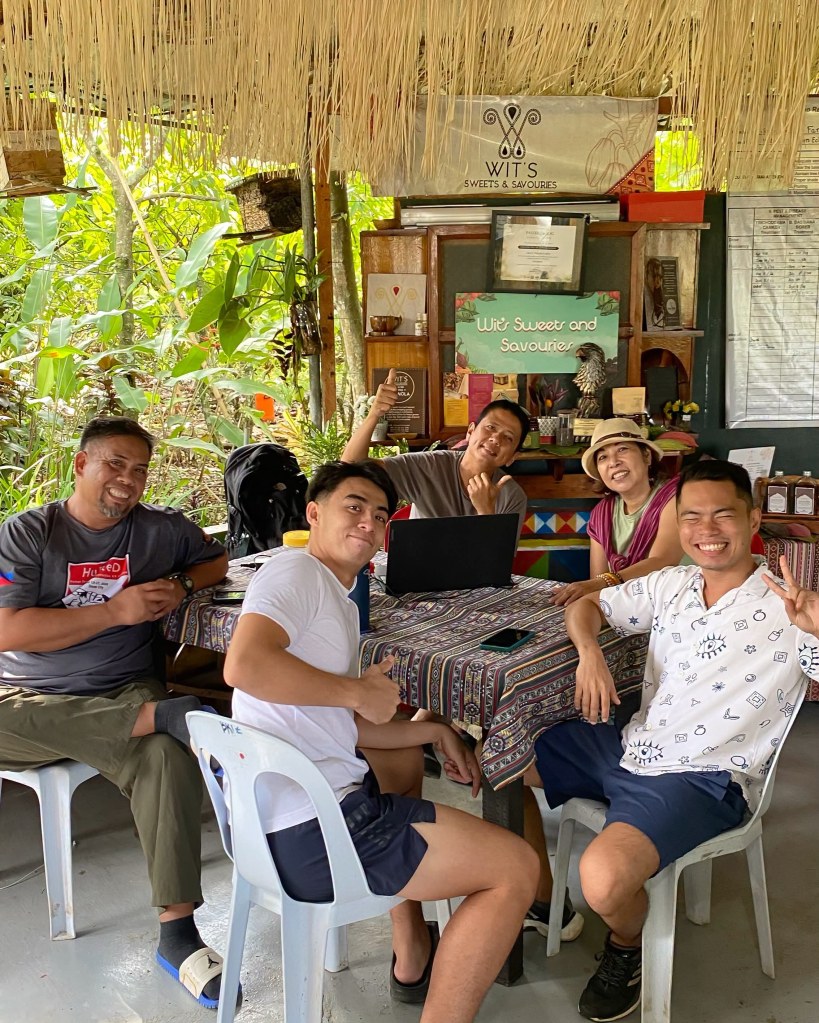
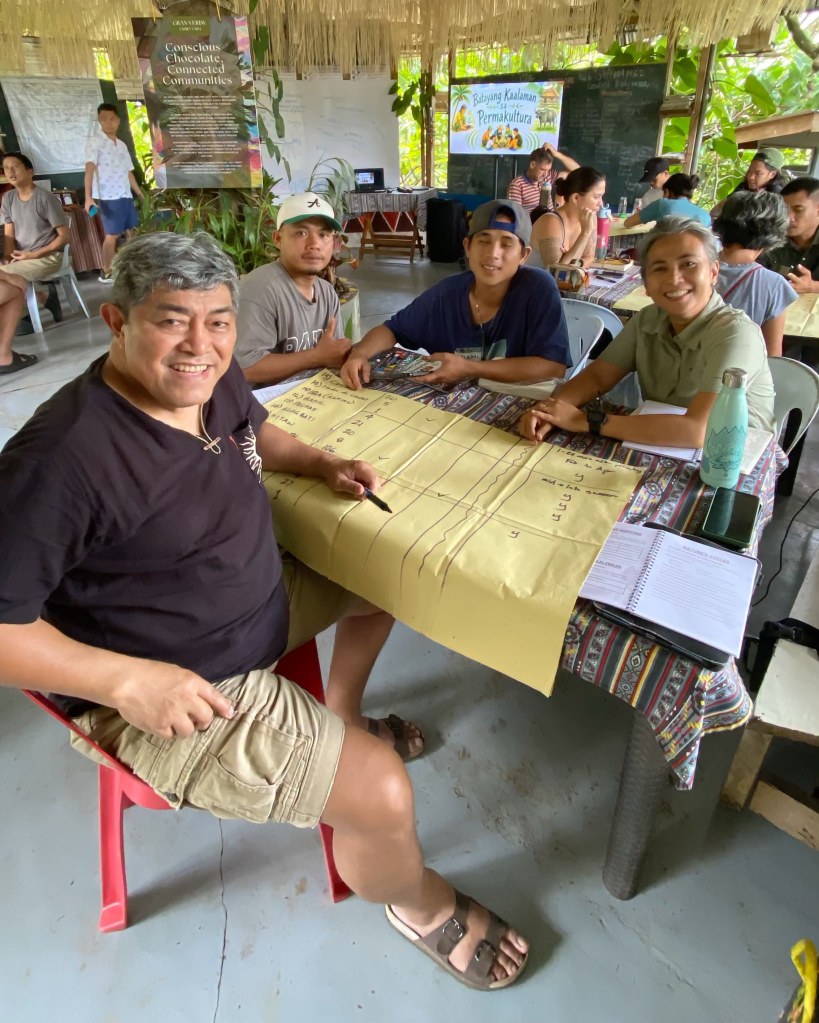
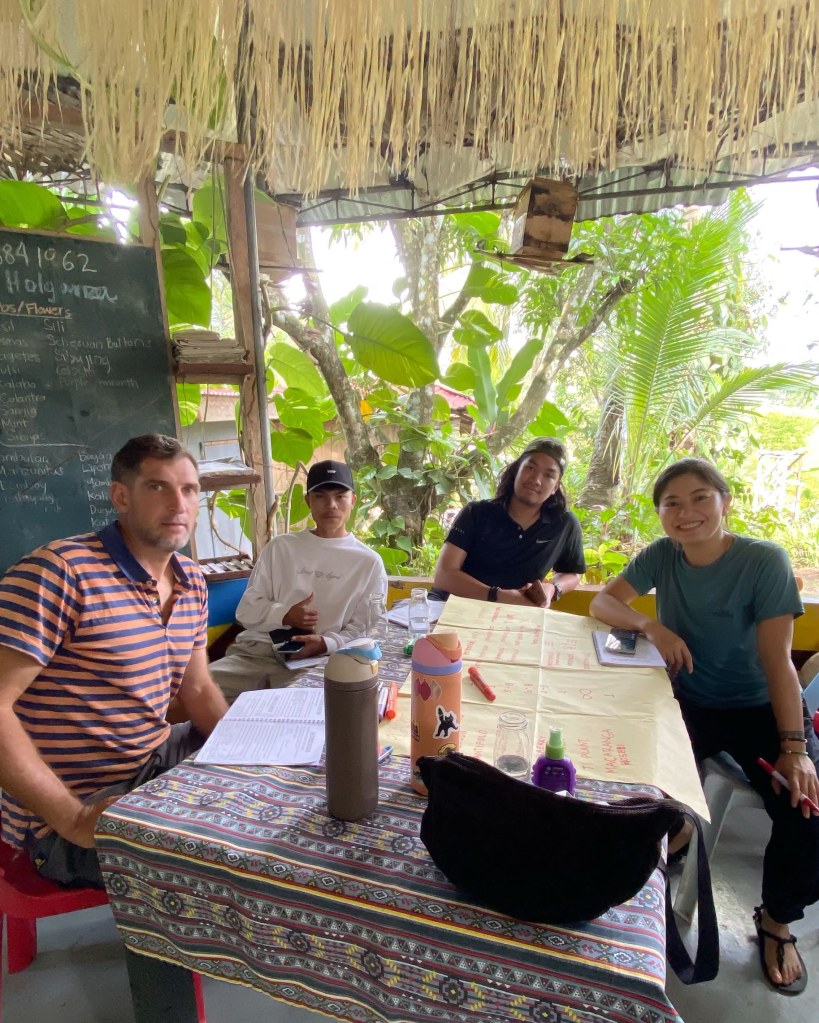
Cover photo and other pics courtesy of Joshua Holganza. For a closer look, just click on the pics.


One comment