Day 4 – Learning to Build
In Day 1, we were taught to observe. Day 2 taught us to understand. Day 3 taught us to connect. And then, Day 4 asked the inevitable question: “Now that you see things differently, what will you build?” Day 4 was about turning observation into action.
That was a beautiful progression. What struck me most about our facilitators was that they never began with technology. They didn’t begin with solar panels. They didn’t begin with rainwater harvesting. They didn’t begin with vegetable gardens.
They began with observation. Which is profound. Most of us begin by asking: “What can I put here?” Permaculture first asks: “What is already here?” That one question changes everything. It demonstrates humility. Respect. And deeper thinking.
Instead of forcing the land to obey us – which was what I did previously in the early days of Gran Verde – we were now allowing the land to teach us. This, I believe, was the central lesson of Day 4. We were made aware of the challenges, yet every challenge was an opportunity to Design a better way.
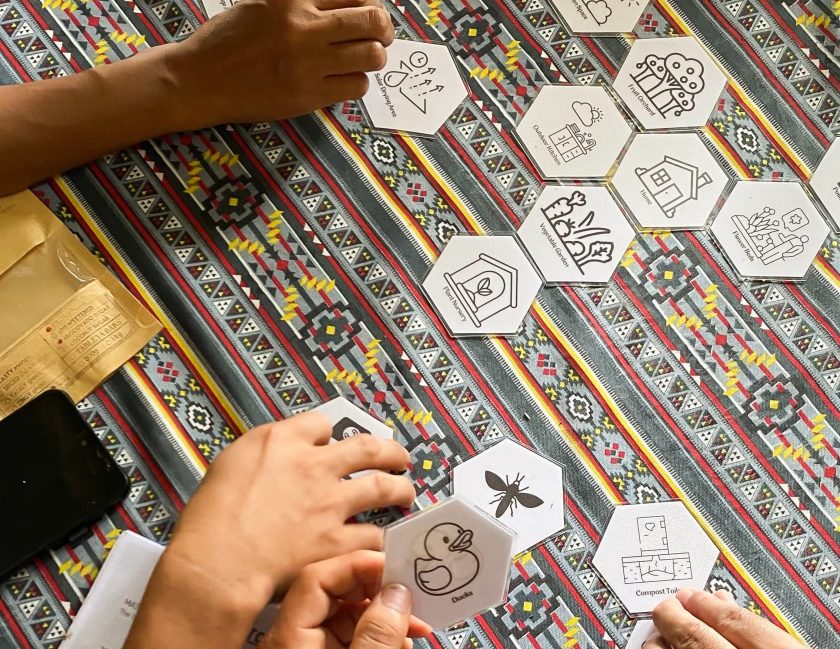
For Day 4, we learned to read before we design. A good design begins by understanding the land, the people using it, and the forces shaping it. Hence, we look at the sun and the shade, the water movement, the wind direction, the slopes and the landform, the wildlife, the existing plants and trees, even the paths and access, the building structures, the present activities and challenges. All these become important inputs to building your own design.
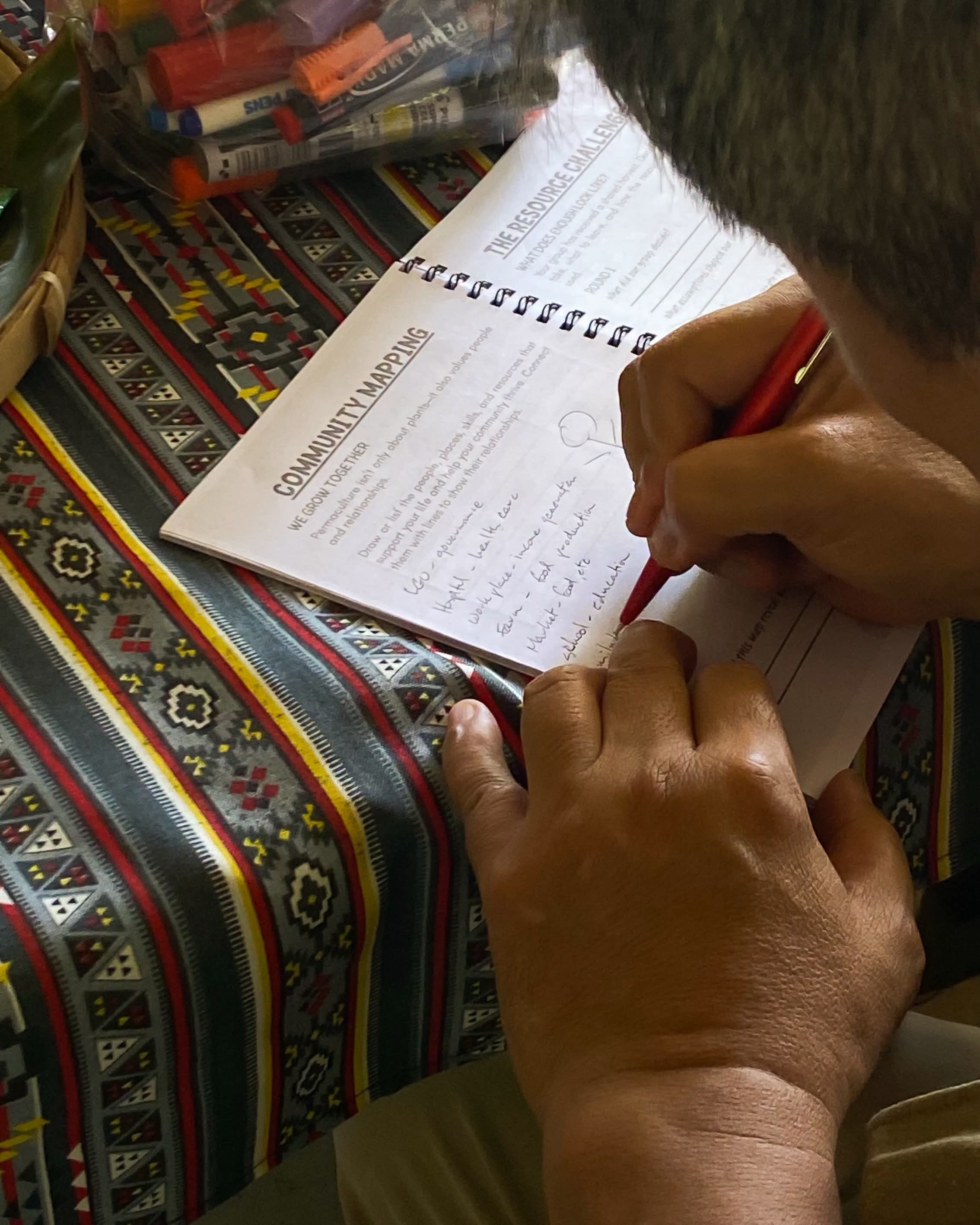
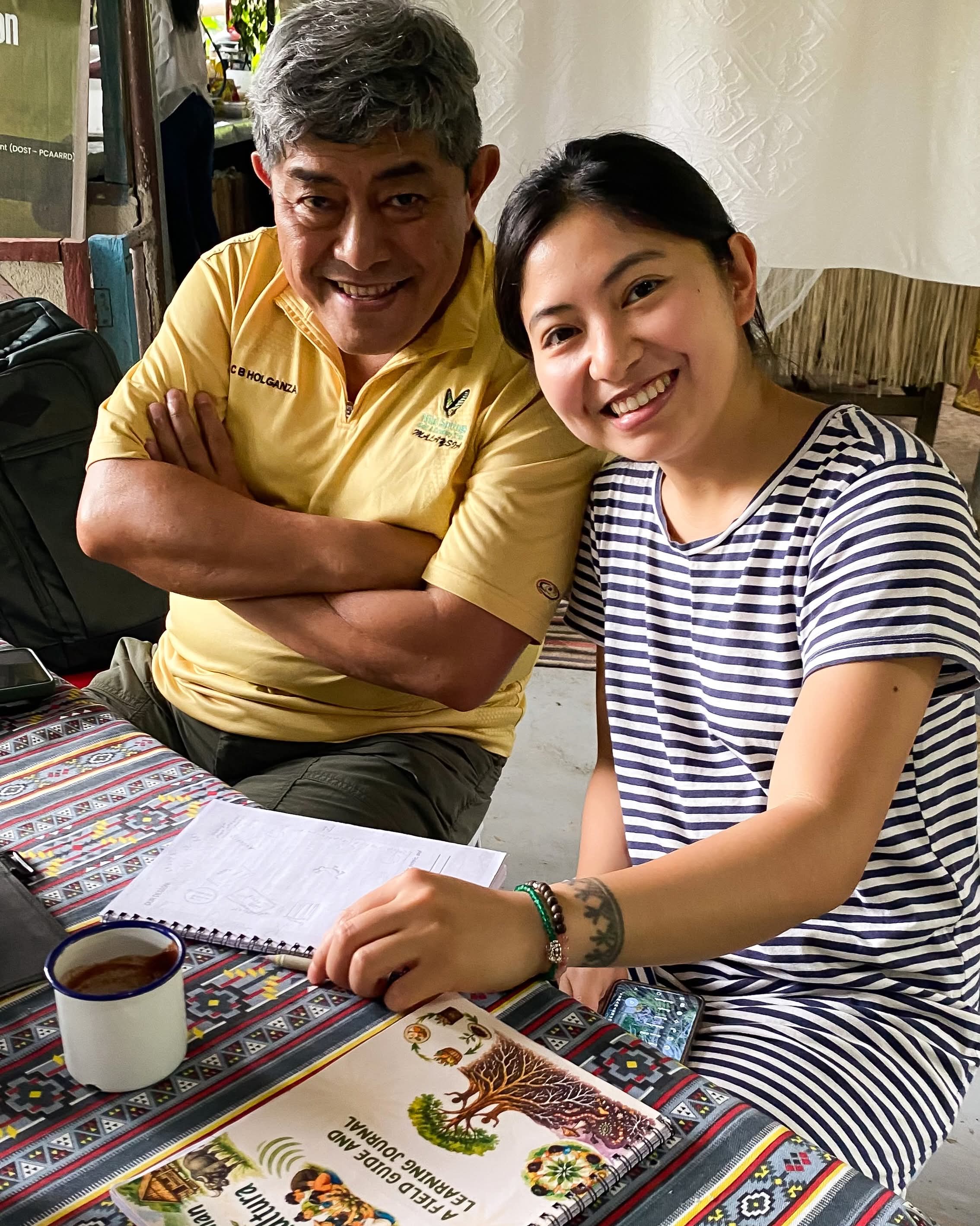
And so my daughter, Aly, and I decided to work our design exercise on a piece of property in Tanay, Rizal. it was a great activity that I truly enjoyed. My favorite part of that exercise? It was in dreaming together, in imagining what a vacant lot could become – not just for ourselves, but for the future generations. Soon, Wit and my son, Josh – both of whom were part of the Facilitator Team – were already dipping their fingers enthusiastically on the plans as well. This was no longer just a mere workshop assignment. It was turning into a family planning session. It was turning into a legacy project.
As Wit and the kids bent over our sketch, the vacant lot in Tanay slowly ceased to be just another empty piece of land. It became some sort of a canvas. I imagined every tree we penciled in was producing a future shade, with the promise of a regular harvest. Every rainwater catchment talked about resilience. Every vegetable bed whispered of food security. We were no longer drawing a property. We were quietly imagining the kind of life we hoped our future generations would inherit.
And I remember one of Wit’s favorite buzzwords: Abundance. Not abundance as wealth. But here, it is Abundance as part of the design. Nature never wastes. One tree gives shade. The shade cools the soil. Cooler soil retains moisture. Moisture feeds microorganisms. Microorganisms feed roots. Roots feed trees. Trees feed people. And people care for trees. It’s a circle! A never-ending nurturing circle.
The more I hear about permaculture now, the more I realize that Wit’s ‘abundance’ isn’t about having more. It’s actually about wasting less. That’s a lesson our modern world desperately needs.
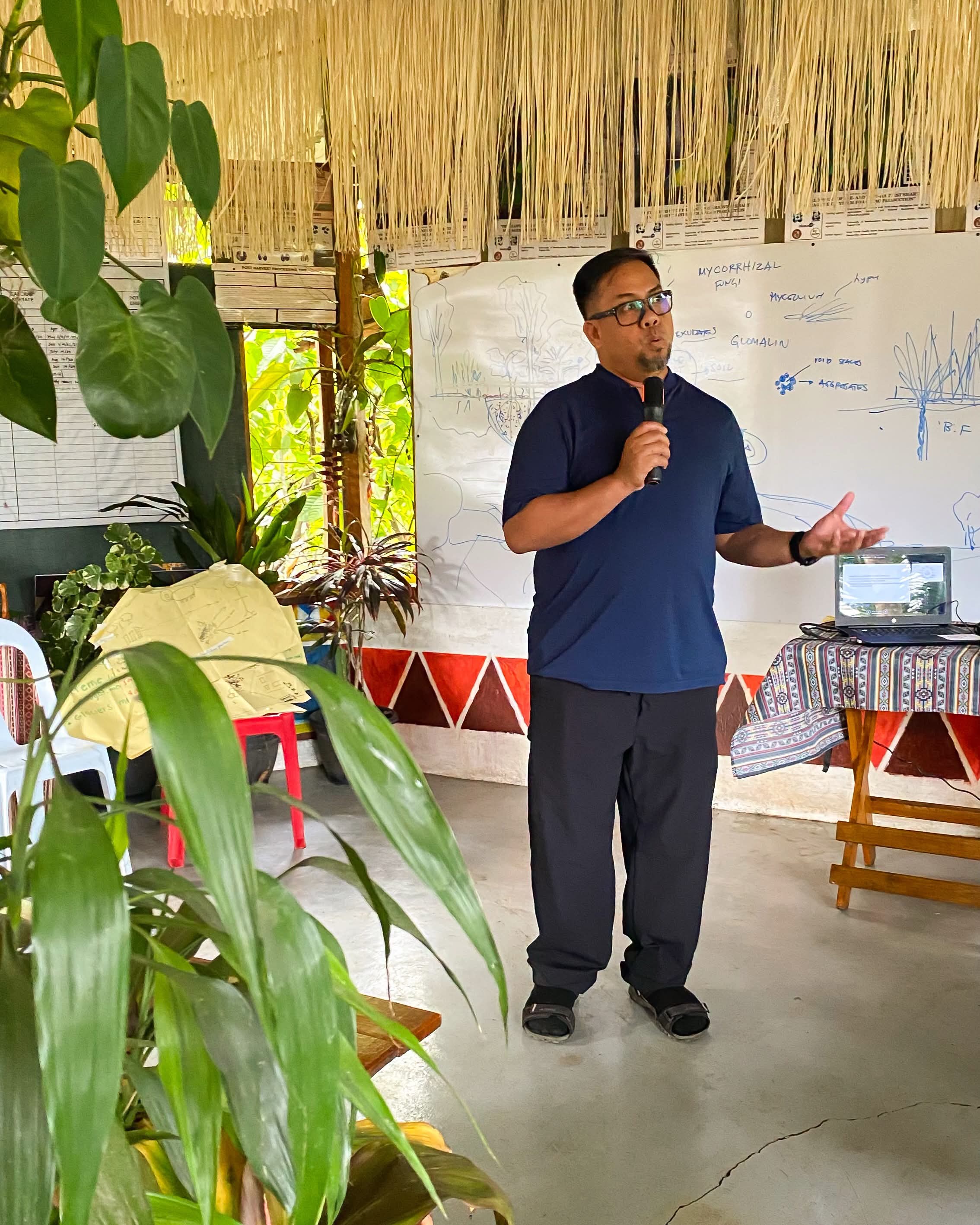
Our top facilitator, Sixto Bereber, demonstrated to us what we can do. Sixto has a small piece of property in Manila. With it, he showed us that Permaculture isn’t reserved for people with ten hectares. It can begin in a tiny urban backyard. Or on a rooftop. Or on a balcony. Or in a kitchen compost bucket. It tells us that we don’t need to own a farm to care for the earth.
And as I review these last 4 days, I noticed some parallels to my previous life. Toward the tail-end of my military career, the question I would ask myself was: “How do we build peace among our own divided people?” Now, as a small farmer, I have a new kind of war to address. And I ask: “How do we build peace with the earth?”
These are not separate stories. They’re very similar stories, told on different landscapes. The soldier in me sought to end conflict. The permaculture student in me is learning how to prevent another kind of conflict – between humanity and nature.
As a soldier, I was taught to read terrain for tactical advantage. Permaculture was now teaching me to read terrain for ecological harmony. My military self asked: “How do I control this ground?” The new permaculture student in me asks: “How does this ground already work?” Those aren’t necessarily opposing philosophies. They are quick responses to different missions.
And this is why this workshop has resonated so well with me. They are not a departure from my life’s journey; instead, they seem to be its natural continuation.
The Final Part of this 5-part series comes next. You can click for it here.
Cover pic and other photos courtesy of Joshua Holganza.



One comment