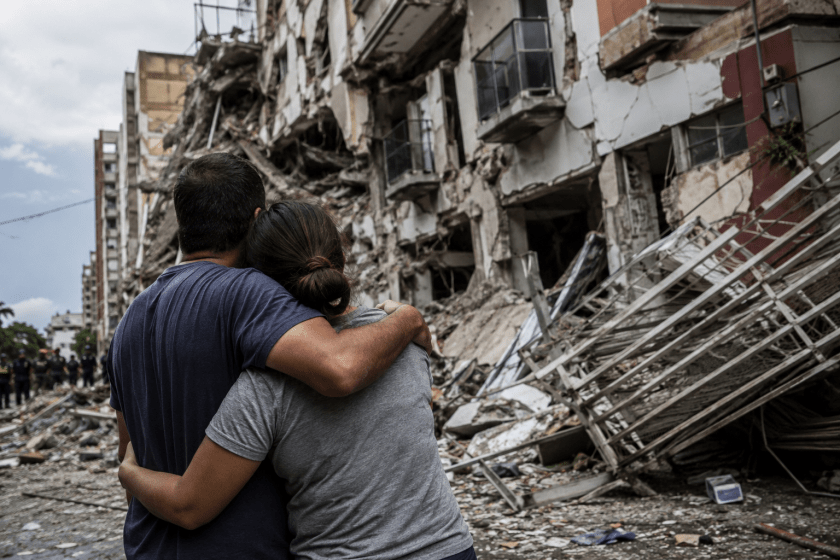
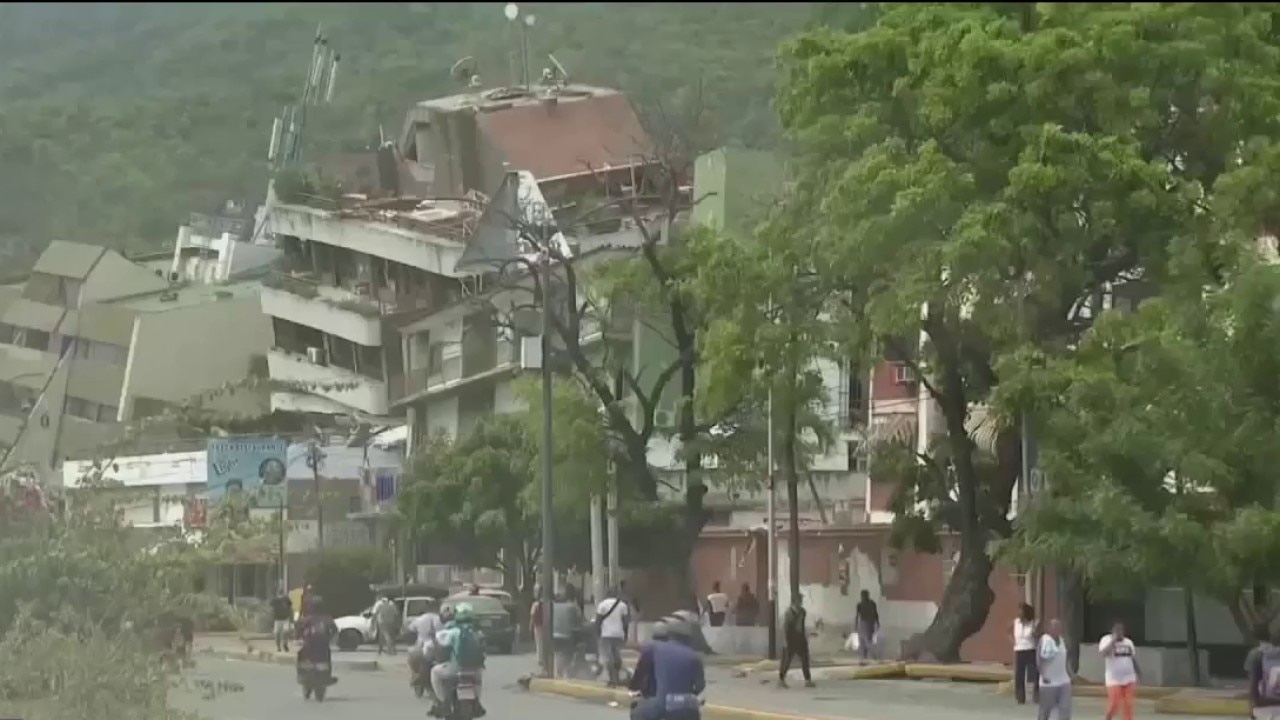
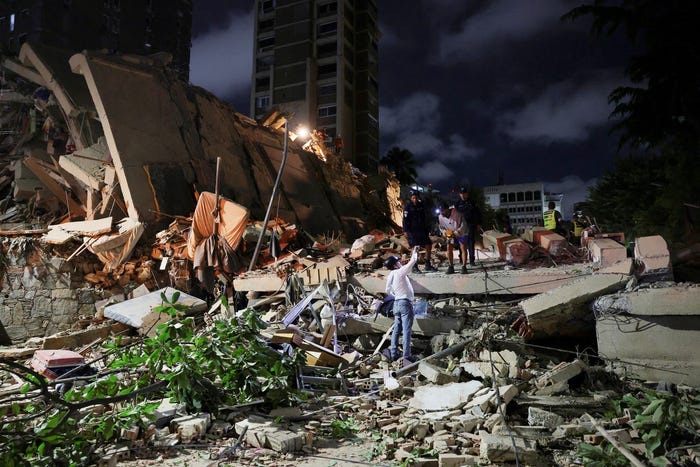
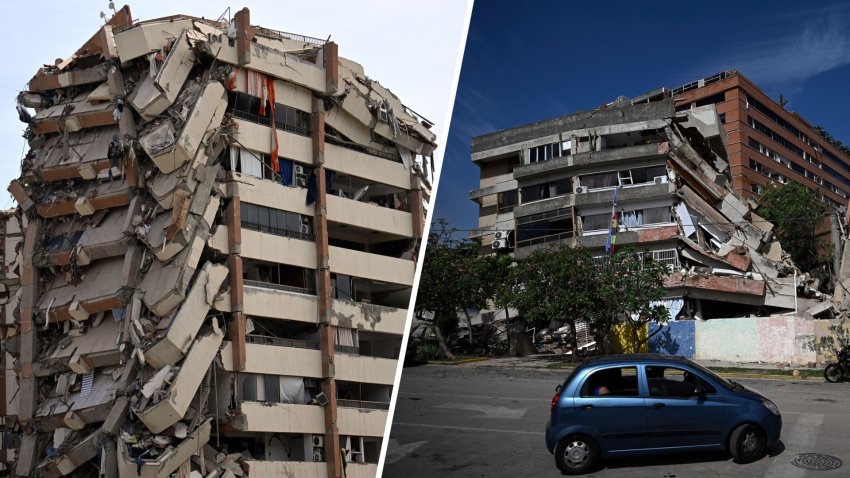
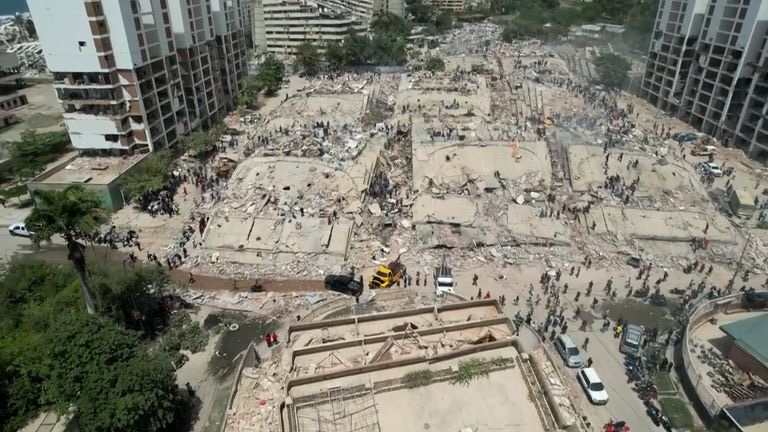
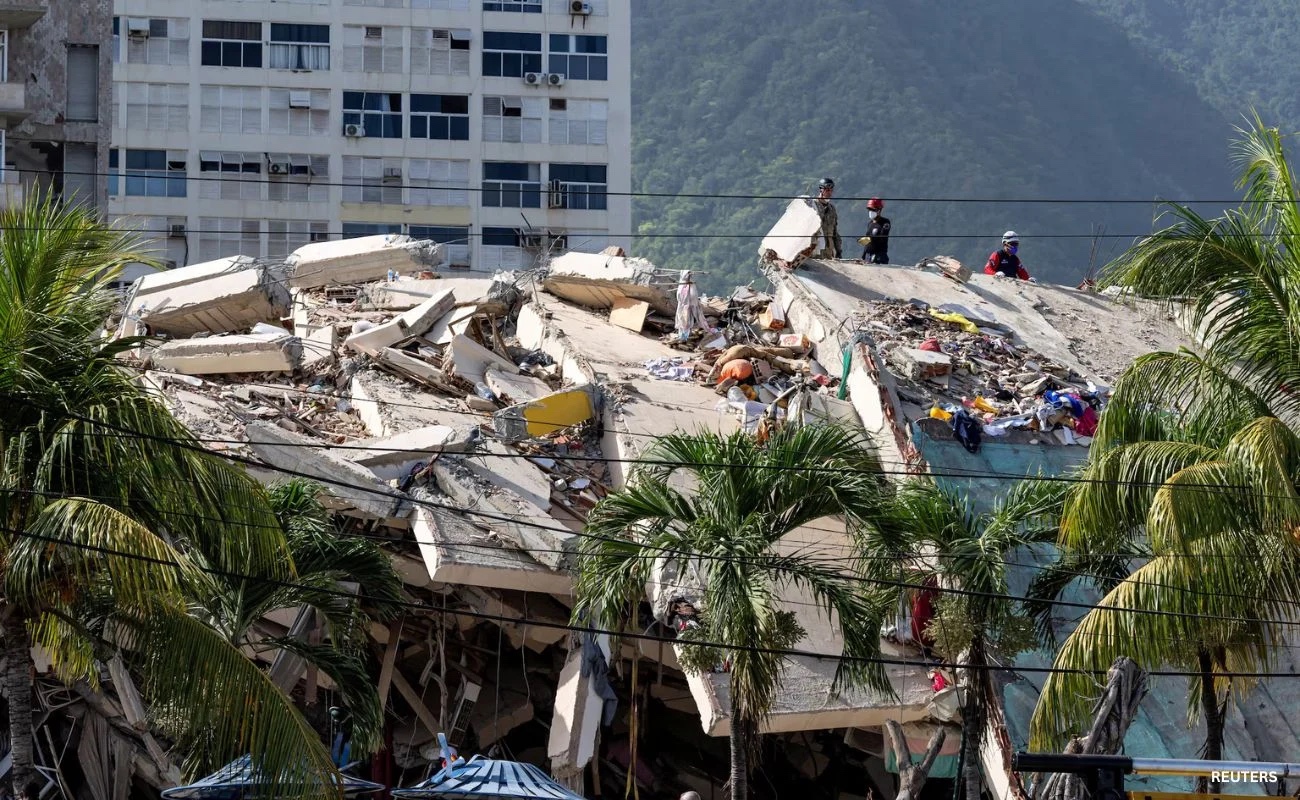
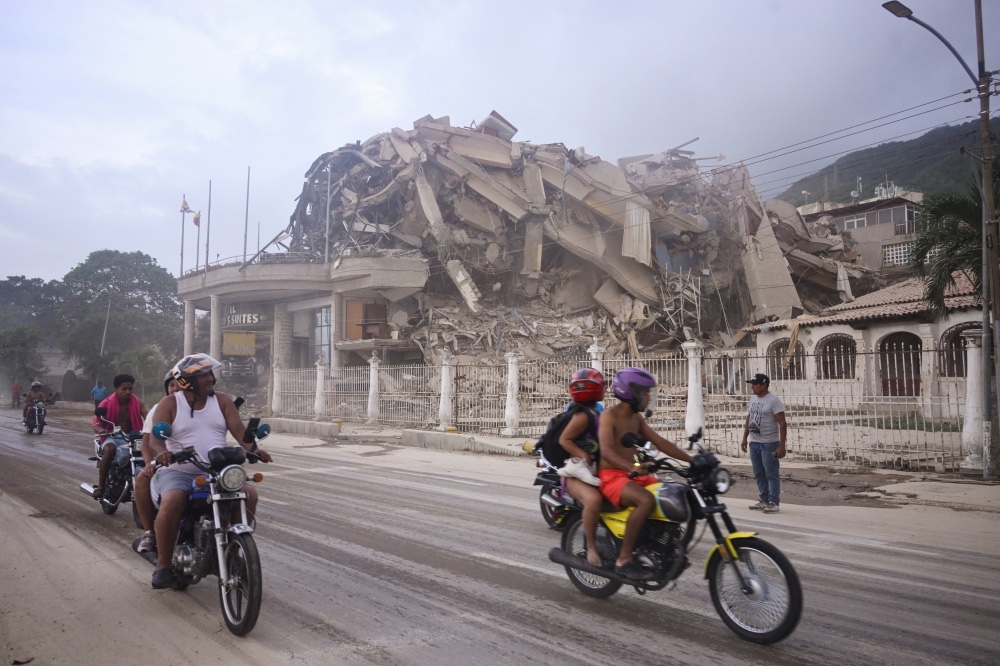
Nature was unforgiving last Wednesday, June 24. In a span of less than a minute, Venezuela experienced one of the worst disasters in its modern history when two deadly earthquakes, measuring 7.2 and 7.5 in magnitude, struck just 39 seconds apart. The twin killer-quakes ripped through the country’s northern coast, with the second tremor striking before damaged buildings had even stopped shaking from the first. Entire neighborhoods crumbled in seconds, trapping thousands beneath concrete and twisted steel.
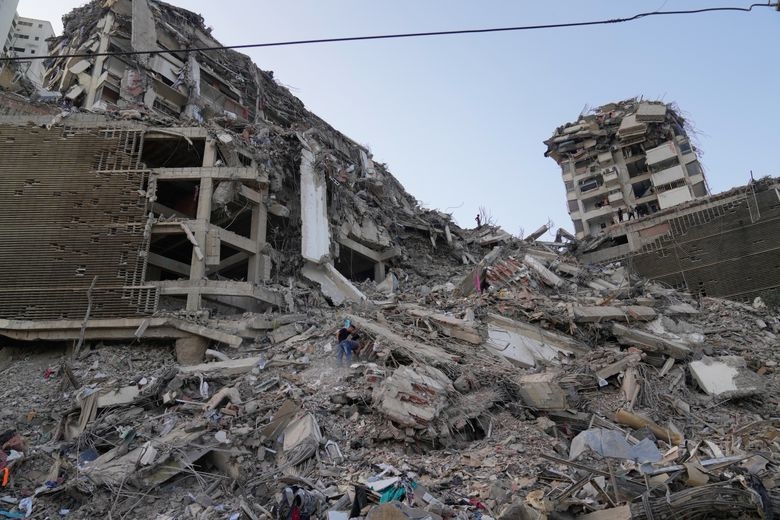
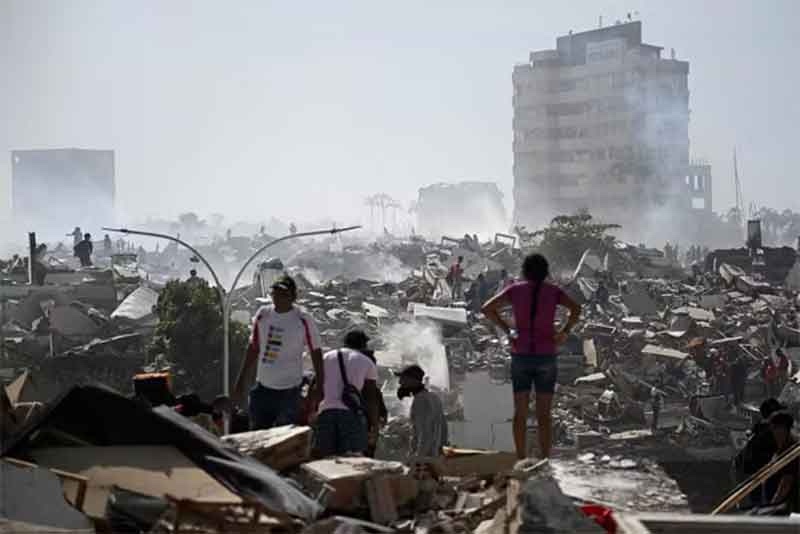
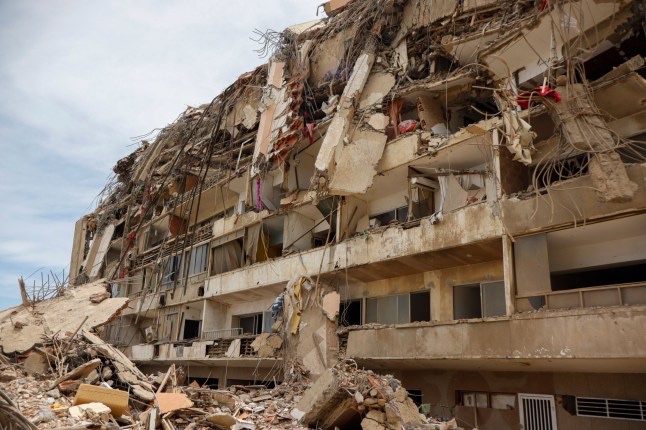
The destruction has been staggering. Current reports place the death toll at close to 1,500, with more than 3,100 more injured and close to 13,000 displaced from their homes. Rescue workers fear the toll could continue to rise as many more remain unaccounted for. It is said that more than 750 buildings have collapsed, while hundreds of aftershocks continue to threaten already weakened structures and complicate rescue operations.
The physical damage alone is estimated by the United Nations at US$6.7B, or roughly six percent of Venezuela’s gross domestic product. Yet this figure represents only the immediate destruction of homes and economic assets. It does not include the enormous costs of rebuilding roads, bridges, schools, hospitals, power grids, telecommunications systems, water facilities, or the broader economic losses that will linger for years. Experts believe the total economic impact could ultimately be two to three times higher.
Among the hardest-hit infrastructure were hospitals, schools, highways, electrical transmission lines, telecommunications networks, residential buildings and even critical energy facilities. Venezuela’s largest oil refinery was forced to suspend operations following widespread power outages, while many schools had to be converted into temporary evacuation shelters. Up to now, millions remain without reliable electricity, clean water, or communications.
That said, the needs of the Venezuelan people are immediate and immense. Rescue teams urgently require heavy machinery, search-and-rescue equipment, medical supplies, field hospitals, temporary shelters, food, clean drinking water, sanitation facilities, and psychological support for survivors who have lost family members, homes, and livelihoods. As every hour passes, the race to save those still trapped beneath the rubble becomes more desperate. It has been 5 days, and the chances of finding more survivors is getting dimmer and dimmer.
This is one of those moments when politics must give way to humanity. The international community can make a profound difference by deploying additional urban search-and-rescue teams, providing financial assistance for emergency relief and reconstruction, sending engineers and medical personnel, and helping restore essential infrastructure. The coordinated response already underway from dozens of countries demonstrates what can be achieved when compassion transcends borders.
Yet solidarity is not reserved for governments alone. Ordinary individuals can make a meaningful difference. Donations to reputable humanitarian organizations, blood donations where possible, fundraising drives, and simply keeping the victims in our thoughts and prayers all contribute to a global network of compassion. Small acts, multiplied by millions of caring people, become powerful forces for healing and eventual recovery.
The ongoing FIFA World Cup should present a unique opportunity for the global football community to make a tangible difference. With millions of supporters gathered in stadiums across the United States, Canada, and Mexico, and billions watching around the world, organizers, sponsors, and humanitarian agencies could launch a “Venerations for Venezuela” campaign, encouraging fans to donate even a few dollars through QR codes displayed on stadium screens, ticketing apps, and official broadcasts. Football clubs could pledge a portion of merchandise sales, while players could auction signed jerseys or dedicate match bonuses to relief efforts.
Around the world, schools, churches, civic organizations, and businesses can organize charity runs, benefit concerts, online crowdfunding campaigns, and community fund drives. Universities can mobilize volunteers to propagate this noble cause. While engineers, doctors, and mental health professionals can offer their expertise through international humanitarian organizations. Even those with limited financial means can help by sharing verified appeals, donating blood where appropriate, or simply inspiring others to give. In times of great tragedy, generosity is not measured by the size of a donation, but by the willingness of people everywhere to stand together in compassion.
The tragedy in Venezuela reminds us that earthquakes or other forms of calamities recognize neither nationality nor politics. In an instant, lives are forever changed, families are torn apart, and entire communities are reduced to rubble. But history also teaches us that humanity is often at its best in moments of great adversity. As Venezuela mourns its losses and begins the long journey toward recovery, may the world stand beside its people, not only with sympathy, but more significantly, with concrete acts of generosity, hope, and unwavering solidarity.
Years ago, as a proud member of Habitat for Humanity then, I witnessed the power of global solidarity firsthand after Super Typhoon Haiyan (Yolanda) devastated our neighboring province of Leyte in 2013. Nearly 10,000 people lost their lives, entire communities were swept away, and countless survivors were left with nothing but grief, despair and uncertainty. Yet amid the unimaginable destruction, hope arrived in the form of helping hands from every corner of the world. Governments, humanitarian organizations, volunteers, and ordinary citizens reached out to send food, medicine, shelter and most of all, comfort. It is in this same token that I reach out to our global community to extend whatever small generosity we can provide our Venezuelan brothers and sisters. (Pls read: What Can We Do To Help Our Yolanda Victims? Just click on the title.)
More than the aid itself, it was the reassuring message that we were not alone in our hour of desperation that gave survivors the strength to rise each morning and begin rebuilding their lives. That experience taught me that compassion is one of humanity’s greatest resources. When the world stands together in times of tragedy, it restores more than lives, homes and livelihoods – it rekindles hope. Today, as Venezuela endures its own heartbreaking ordeal, I pray its people will draw strength from that same global embrace, knowing that millions stand beside them, ready to help them rebuild their communities and reclaim their future.
Cover photo courtesy of Spanien Press. Other photos courtesy of the Malay Mail, azcentral.com, newswatchplus.com, NBC6, Skynews, KTVU, Counter Currents, Metro and The Seattle Times. For a closer look, just click on the pics.


My deepest sympathies go out to everyone affected by the great earthquake. I am also waiting for an opportunity to offer my support. From earthquake-prone Japan, asamoyosi
LikeLiked by 1 person
Thank you, dear friend. I do recall there was a young Japanese boy who, after seeing the devastation brought by Typhoon Haiyan in 2013, decided to donate his lifetime savings to the victims of the storm. My salute to your great people, my friend. https://cbholganza.com/2013/11/16/what-are-you-doing-to-help-our-yolanda-victims/
LikeLiked by 1 person
Thanks for this post, Charly. Your insight on sports is important, but as you point out in the quote below, this disaster transcends sport, politics, et. al.: “This is one of those moments when politics must give way to humanity.” Prayers for all the people of Venezeula.
LikeLiked by 1 person
Thanks, Don. With much of the attention now focused on the ongoing World Cup, I wish that the World Cup authorities could find some way to contribute some for the victims of the killer twin quakes. If the US makes that move, it will recover much of the good karma it has lost with its senseless war against Iran and even Venezuela.
LikeLike
So sad about this
LikeLiked by 1 person
Yes. By this time, the search and rescue will have transitioned into recovery operations. All those on ‘missing’ status will have to be reclassified now. So sad for the relatives.
LikeLiked by 1 person