
The 2026 FIFA World Cup has descended into an unprecedented administrative turmoil after a volatile, politically charged intervention, followed by some highly controversial officiating on the pitch. The crisis ignited when US President Donald Trump admitted to personally requesting FIFA President Gianni Infantino to ‘review’ a mandatory red-card suspension for American striker Folarin Balogun. Exploiting a rarely used clause under Article 27 to freeze the ban, FIFA bypassed traditional executive protocols, prompting a fierce institutional blowback. The powerful European governing body UEFA openly declared that FIFA had “crossed a red line”, and has threatened the structural neutrality of the game. Despite the unprecedented political pressure, the gambit collapsed on the pitch when Belgium defeated the United States handily 4–1.
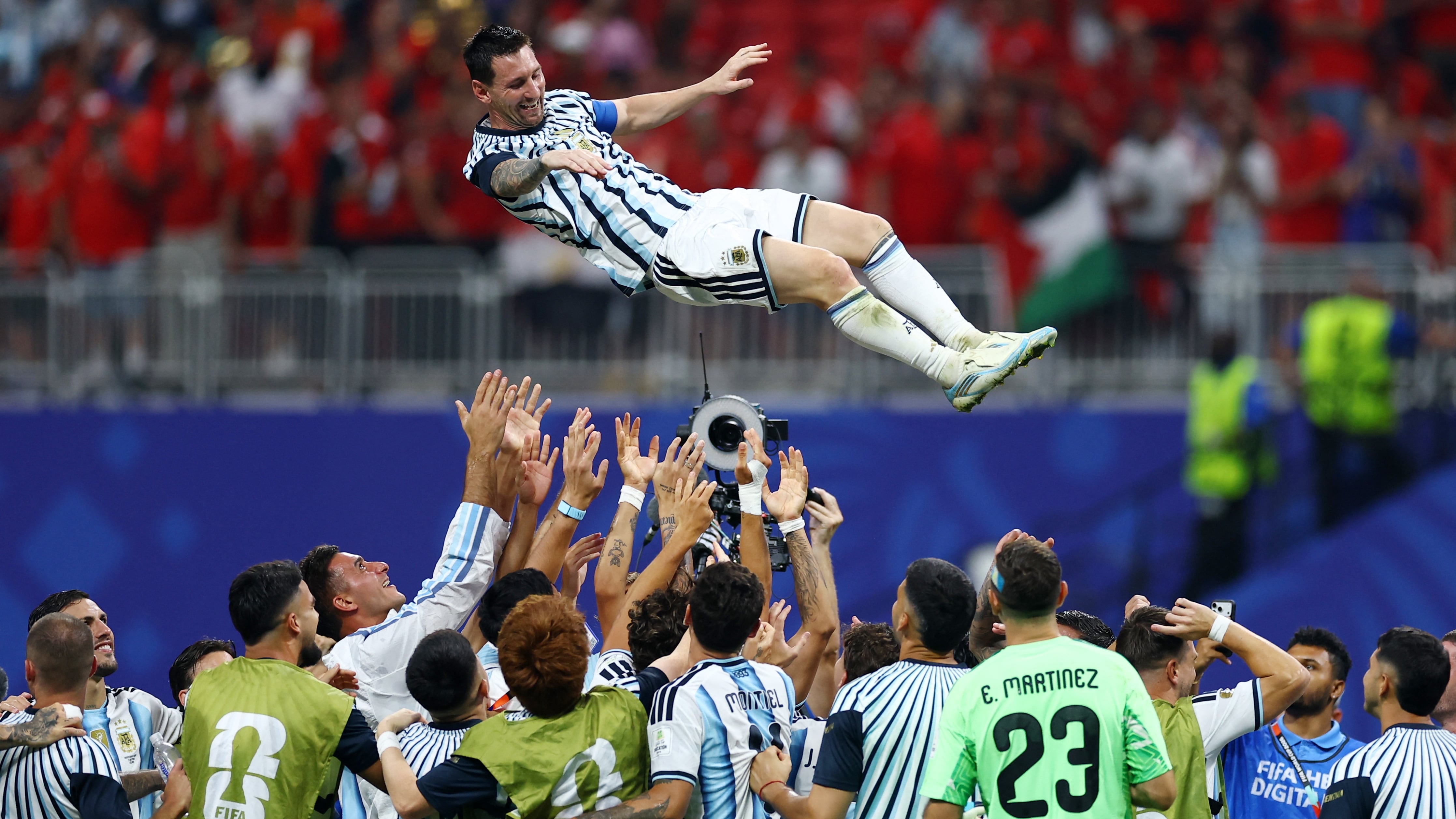
The erosion of institutional trust quickly expanded from the executive level to ongoing on-field officiating, directly plunging the knockout stages into chaos. Public outrage reached a boiling point during Argentina’s highly contested, come-from-behind 3–2 victory over Egypt in the round -of-16. Following the match, the Egyptian Football Association lodged an official complaint with FIFA demanding the immediate removal of the refereeing crew and the Video Assistant Referee (VAR) team. Egypt’s formal grievance claimed that there was extreme bias, highlighting a late, highly-irregular VAR intervention that rescinded Egypt’s second goal; followed by unreviewed fouls, particularly one committed against star winger Mohamed Salah in the closing minutes. This pattern of erratic, highly-questionable technological calls has led competing federations to openly accuse FIFA of trying to create a corporate scenario designed to keep the high-profile teams like Lionel Messi’s Argentine squad in the running, to ensure more fan-following in the latter rounds.
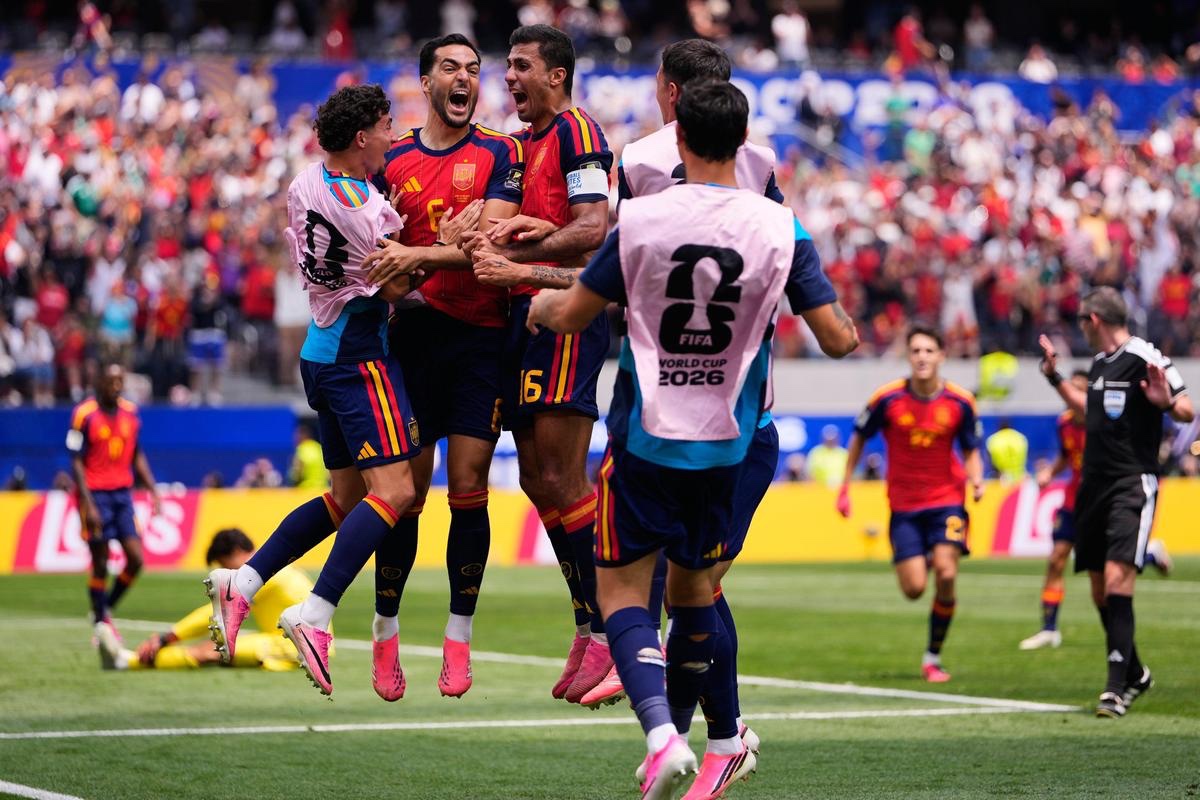
These allegations of corruption and procedural favoritism in the system have cast a dark shadow over the high-stakes quarterfinal match-ups. While clinical tactical executions have determined the first quarter-finalists, the tournament’s sporting legitimacy is now under question. Spain punched their ticket to the semifinals with a breathtaking 2–1 thriller against Belgium, punctuated by an 88th-minute stunner from substitute Mikel Merino. Spain now sets up a blockbuster semifinal clash against tournament favorite France, which had also stepped forward by dismantling Morocco 2–0. Yet, as England prepares to face Norway and a heavily-scrutinized Argentina matches up against Switzerland (still to be played as of this writing), every upcoming whistle is now being viewed through a cynical lens. Focus continue intensely on the close, transactional ties between Infantino and world political leaders, a strange dynamic which surfaced when Infantino unilaterally created a “FIFA Peace Prize” for Trump just as a multi-billion dollar tournament expansion took effect.
The broader breakdown has completely shattered the illusion of VAR’s factual decision-making, and exposed a glaring flaw in how rules are enforced. The system was originally introduced to deliver absolute, objective black-and-white truth, yet it remains completely helpless against human interpretation. In basketball, refereeing centers on localized “judgement calls” – deciding fluid boundaries of contact based on the game’s immediate context. Football refereeing has historically operated on a similar principle, relying on the on-field official to gauge the intent and velocity of a tackle. By separating a foul from the dynamic speed of the match, VAR has removed the subjective determination of how “excessive” or “dangerous” a challenge is from a split-second assessment of the referee into an artificial boardroom-style legal debate. This has the potential to eliminate the referee’s crucial role in the game.
This entire analytical mess unraveled completely following Trump’s intervention in Balogun’s red card. Balogun was sent off for a high-intensity ankle challenge – a textbook modern red card verdict under player-safety protocols. By bullying FIFA into using a probationary loophole to erase the suspension, Trump opened a dangerous Pandora’s box. If a dangerous, ankle-threatening tackle can be ‘politically pardoned’, governing federations no longer know where the line is drawn. Kings, Prime Ministers and dictators now have a say in deciding football issues, turning critical player-safety mandates into highly negotiable political issues. It leaves the remaining quarterfinal teams baffled, and furious that the rulebook changes depending on who makes the phone call.
This weaponization of football’s regulatory handbook has the potential to bring down the sport’s internationally-recogized rules from hard directives to arbitrary, discretionary choices. If football is to survive as the beautiful game, these glaring observations must be addressed. These observations underscore an urgent need for a comprehensive structural reform within FIFA. The global governing body must establish an absolute, unbreachable wall between executive football decisions and political statecraft. Finally, the application of VAR must be strictly re-calibrated. It must preserve the human element of on-field judgement calls rather than serve as a tool for hyper-analyzed manipulation. Without independent oversight to dismantle this perceived culture of favoritism, the baseline of fair play will completely erode. Should that happen, it will forever stain future tournaments as pre-determined theatrical shows where political leverage matters more than athletic integrity.
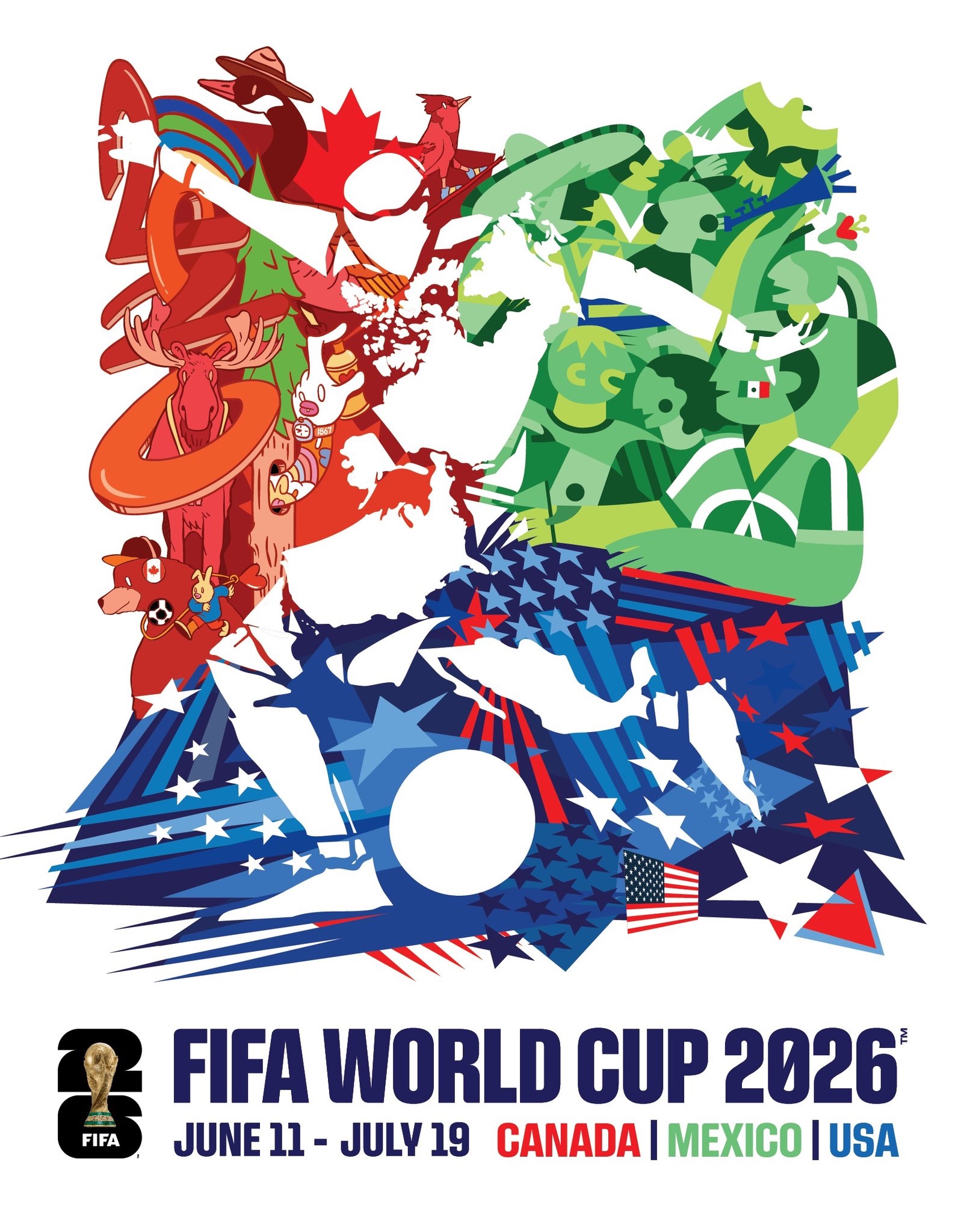
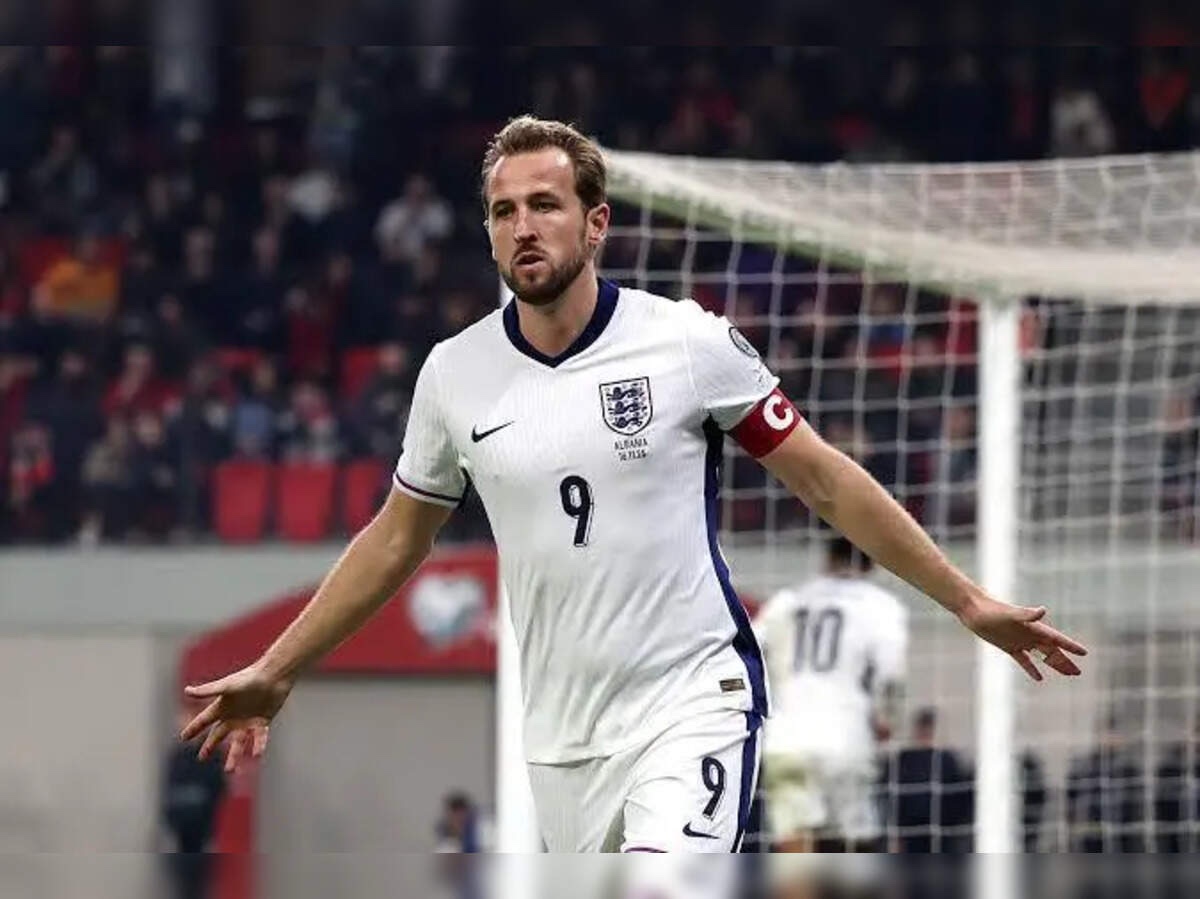
Cover pic courtesy of Bleacher Report. Other pics courtesy of Al Jazeerah, Daily Sabah, The Hindu, The Economic Times and The Daily Beast. For a closer look, just click on the pics.



There are many controversies behind the world cup but we are enjoying it too much 😊
LikeLiked by 2 people
Yes, Priti, it has been enjoyable to watch. Hopefully the matches will not be overcome the controversies it is handling now.
LikeLiked by 2 people
Ha ha, everything has controversy even a small function at home can’t be completed without controversy.
LikeLiked by 1 person
Very true, Priti. Even between brothers, there is conflict and controversy.
LikeLiked by 1 person
Yes 🙌🏼
LikeLiked by 1 person
How is Cdt Tumada???
LikeLiked by 2 people
kumusta na kaya sya?
LikeLiked by 1 person