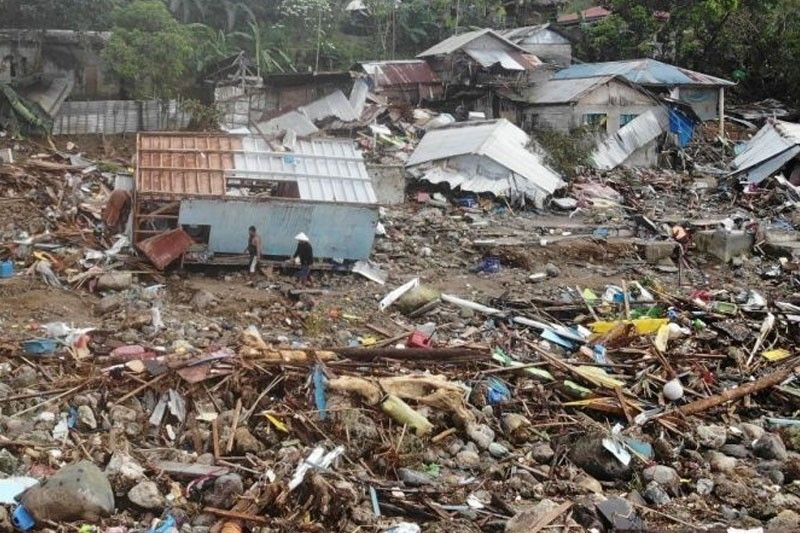
Behind the tranquil majesty of the Himalayas lies a fragile vulnerability that we have ignored for too long. Last August 26, that silence shattered. In a heartbeat, the mountains we watched in total awe turned into a landscape of absolute heartbreak.
A massive avalanche of ice and rock tore away near the Nepal-Tibet border, causing a massive glacial collapse. The earth didn’t just slide; it violently shook with the power of a major earthquake. A roaring, lethal wall of ice, water, splintered rocks, mud, and debris broke loose, rushing down the mountain valleys into the Bhote Koshi and Trishuli rivers. For 100 agonizing kilometers, a massive wave of destruction tore through practically everything – and everyone – in its path.
The human cost is simply horrific. This fast-moving wall of mud didn’t just swamp land; it swallowed entire families, dreams, and villages across several districts, including Rasuwa, Nuwakot, Dhading, Gorkha, and Tanahun. The official numbers tell a story of profound grief: 1,344 people are confirmed dead, while nearly 5,000 others – including hundreds of visiting foreign tourists – remain missing as of this date.
“The mountain didn’t just roar; it screamed,” says Ramesh, who watched the valley swallow his childhood home. “I was running up the hill, looking back, watching the mud take my sister’s house. I can still hear her children laughing from the porch just an hour before. Now, there is only gray mud. No house. No sister. No nieces. I am standing here with nothing but the clothes on my back, staring at a grave that stretches for miles. How do you breathe when your entire world is buried alive?”
Thousands of families like Ramesh’s are left suspended in agonizing grief, digging through layers of suffocating mud with their bare hands, searching for closures that may never come. Alongside this human toll, the physical scars cut deep. Entire villages, farmlands, schools, roads, vital bridges and other facilities were wiped out. The rushing waters crippled more than a dozen major power plants, suddenly plunging the nation into darkness by taking out over 12% of Nepal’s electricity. Rebuilding what was lost will cost an estimated $4 to $5 billion – amounting to nearly one-tenth of Nepal’s entire economy. It is a financial burden that will weigh heavily on the backs of survivors for a generation to come.
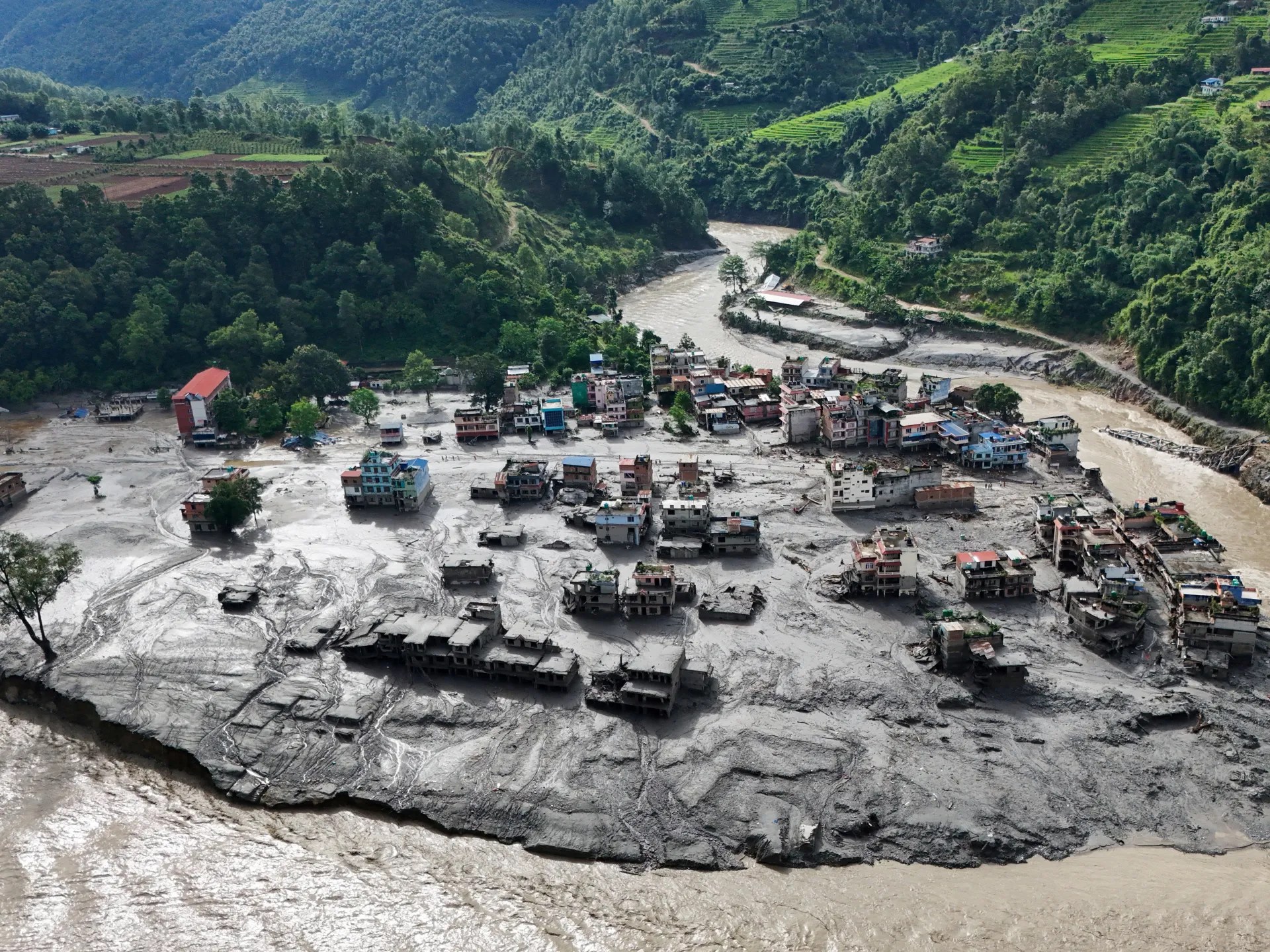
This tragedy leaves behind hard, undeniable lessons carved in blood, tears and ruins. First, it shows us how one disaster can trigger another. Because the region had already been battered by heavy rains and landslides in previous years, the river channels were already choked with old dirt and rocks – creating a ticking time bomb that made the flash flood much larger and faster. Second, it exposes the danger of rushing to build massive projects, like dams, without mapping out the true risks of our changing climate. Millions of dollars projected to bring clean energy became useless overnight because they were built in dangerous, unpredictable pathways.
To protect lives and create safeguards for the future, we must learn from this experience and change how we live alongside nature. We can no longer design buildings and communities based on what the weather used to be; we must build them to survive the erratic, severe weather of today’s seemingly erratic warming world. This means enforcing strict safety laws that stop people from building homes and critical facilities right in the path of possible flood zones. We must also invest heavily in modern mountain safety tools, using satellites and automated sensors to watch melting glaciers and unstable slopes from above. When paired with simple, community-run phone and radio networks, these tools can get early warnings to downstream villages in the precious minutes before disaster strikes.
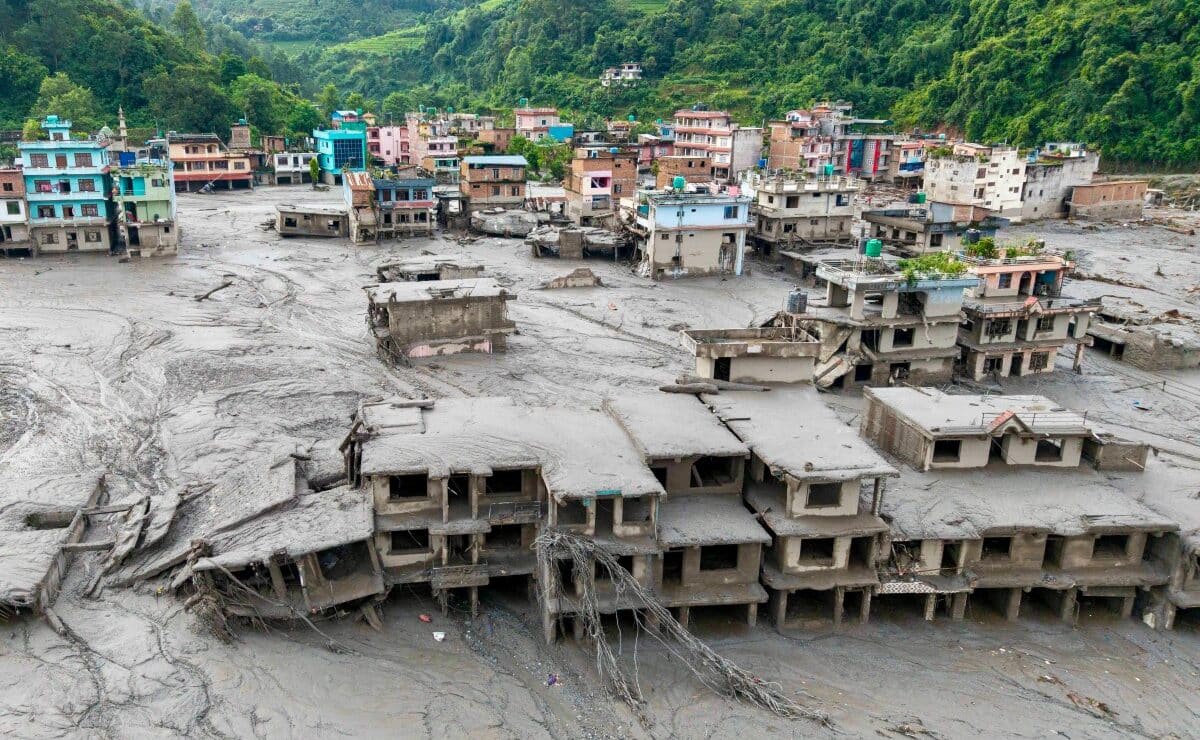
Ultimately, the mountains do not care about country borders, and the climate crisis cannot be fought alone. We can no longer afford the luxury of division or political arguments while the very earth liquefies beneath our feet. This collective grief must become our catalyst to change. Preventing this kind of heart-wrenching loss requires a global team effort that must unite international neighbors, government leaders, and local communities. Wealthier nations must step up with financial support for vulnerable mountain communities that are suffering the most from global pollution, with a more serious look at global warming. We must all unite – citizens, local community leaders, government officials, engineers, scientists and subject matter experts – behind a single mission to keep people safe. Let us honor the thousands of lives cut short not with empty promises, but by learning from these brutal lessons. We must act now, together, to build a shield strong enough to safeguard the families of our brothers in the highlands of Nepal and Tibet, and ensure that such a tragedy never threatens those valleys once again.
Cover photo courtesy of PhilStar.com. The devastation as seen from a CCTV video courtesy of Sujam Tuladhar.


While attention has been focused on nations facing the threat of disappearance due to rising sea levels caused by global warming, a shocking and tragic event has also occurred in the mountainous country of Nepal. Nations that prioritize their own interests—and seem intent on accelerating global warming rather than ignoring it—ought to engage in serious self-reflection. Japan, too, is facing the threat of torrential rains of a magnitude never before experienced.
LikeLiked by 1 person
Agree with you 100%, my friend. Many rich nations are intent on prioritizing their own interests. It is the poorer nations that are suffering most from this global phenomena.
LikeLiked by 1 person
Thanks, Ned. We need a more serious look at global warming too.
LikeLike
You say global warming…the activists in our country—caught by their depending on questionable science data—have modified their spiel to say global weather change—but the earth’s weather and climate has changed whether man has been here or not, following established cycles. Global warming is simply a device for globalists to take control economically and politically toward a totalitarian one world government.
–
Having said that,,,these people’s suffering is very real and I wish richer coutries like the Gulf oil producers would at least send rescue teams, like the U.S., ISRAEL, DOCTORS WITHOUT BORDERS and other compassionate nations and organizations. But Arabs and Nuslims only help their own particular sect and other nations? America and Israel are hated by many and yet expected to rescue the rest of the world. We do help regardless, But demanding hard investment is also a hard thing to demand, even in the face of such suffering. In our country. the obes who give the most often have the least, but know what it is like, so share as much as they can. If only other nations and peoples saw the sheer need of their fellow humanity and give! Let us pray and hope toward that goal!
LikeLike
I agree with you on one fundamental point: the suffering of the people caught in this tragedy is real, regardless of what ultimately caused the disaster. That should be our first concern.
On the climate issue, though, I think we need to distinguish between two things. Yes, the Earth’s climate has always changed, long before human beings existed. Natural cycles, volcanic activity, solar variations and oceanic processes have all played important roles. But that fact alone does not establish that the warming we are experiencing today is entirely natural. That is a separate scientific question.
At the same time, I do accept that not every flood, storm, drought or other catastrophe should automatically be attributed to “climate change.” A natural hazard can have many causes, and determining whether human-caused warming actually increased its likelihood or severity requires specific scientific evidence. And yes, I’d like for us to ensure that we are careful not to turn a human tragedy into a convenient political talking point.
And I would make the same caution about international assistance. America, Israel, Gulf countries, Muslim nations and other countries all have their own records of humanitarian assistance, with varying degrees of generosity and different motivations. I would rather see us recognize and encourage compassion wherever it comes from than judge an entire people or religion by the actions of some governments or organizations.
In the end, whether we agree on the science or on the politics, I think we can agree on the most important thing: when people meet with tragedy, are injured, hungry or grieving, humanity should come first. Let us help them — and continue debating the causes afterward.
LikeLiked by 1 person
Then we are after all basically agreed—hurting people should come first and foremost! Compared to what the earth has been doing for some say millions of years, we humans really are just a tiny part of it. We need toget out stupid egos out of the way and our roled up sleeves into it.
LikeLiked by 1 person