Day 2 – Learning to Think Like Nature
Yesterday, we learned to slow down. We removed our shoes, walked barefoot across the farm, and discovered that before we can care for the earth, we must first learn to notice it.
Today, the workshop took us one step further. It challenged us to think differently. Like many people, I had always imagined permaculture to be simply another approach to farming – an organic way of growing vegetables or raising fruit trees. By the second day, I realized how incomplete that understanding had been. And even as I had simply obliged my wife by attending this workshop, I was slowly learning more about this advocacy, this passion that has been burning in her heart.
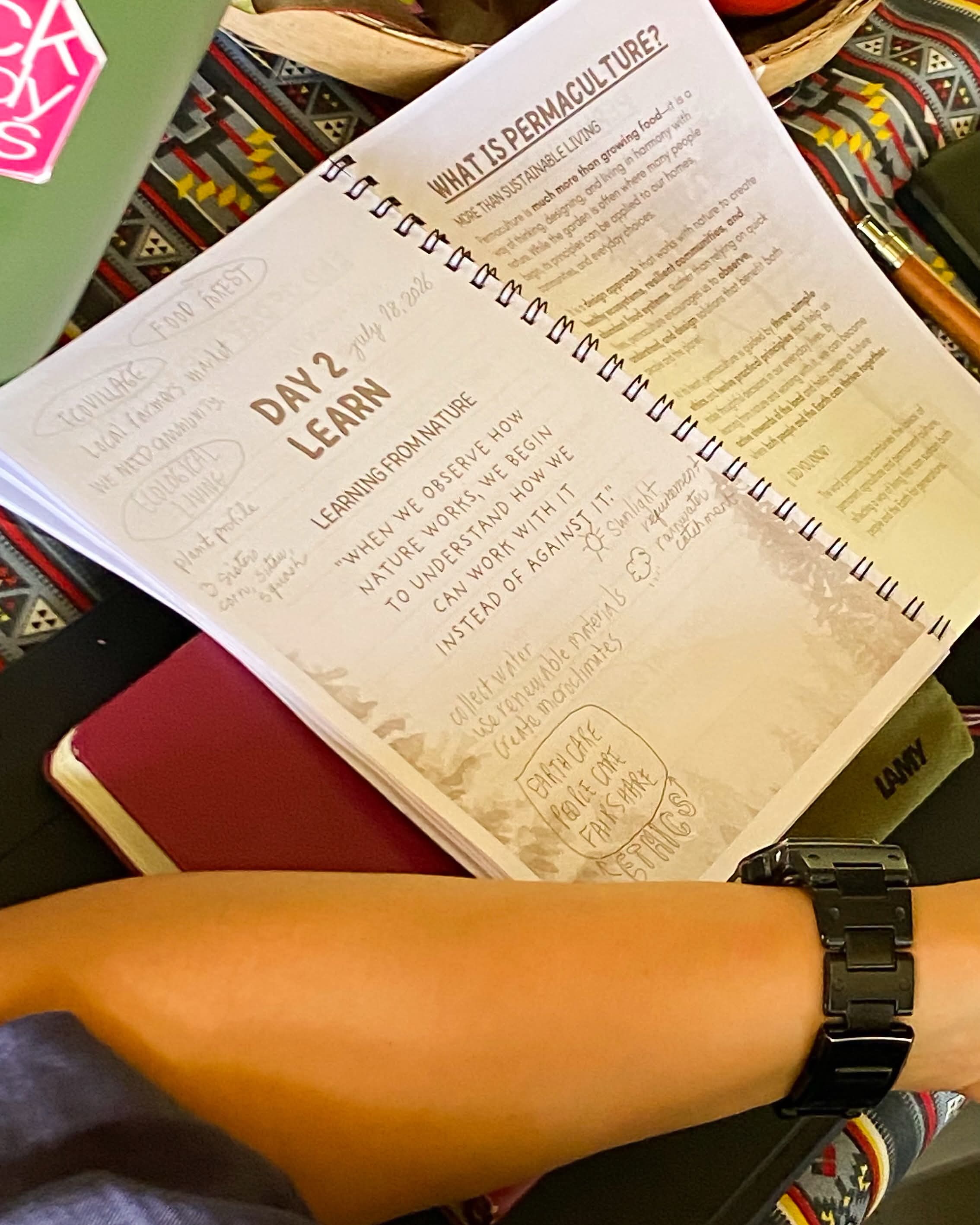
I learned that Permaculture isn’t merely about growing food. I learned that it is a way of thinking, a way of designing. Ultimately, it is a way of living in harmony with nature. And that single realization has slowly been changing everything for me.
One word kept resurfacing throughout the day: Abundance. Wit always talked about abundance. But now I realized that the abundance she kept harping on was different from what I understood. It was not abundance measured by how much we possess, but abundance created when healthy relationships allow life itself to flourish. We see healthy soil producing healthy plants. Healthy plants supporting healthy insects. Healthy insects sustaining the birds and other wildlife. It is this healthy ecosystem that nourishes healthy communities.
Abundance, I realized, is never accidental. It is designed. That design begins with three remarkably simple ethical principles: Care for the Earth. Care for People. And Fair Share. Simple enough for a child to remember. But profound enough to transform communities.
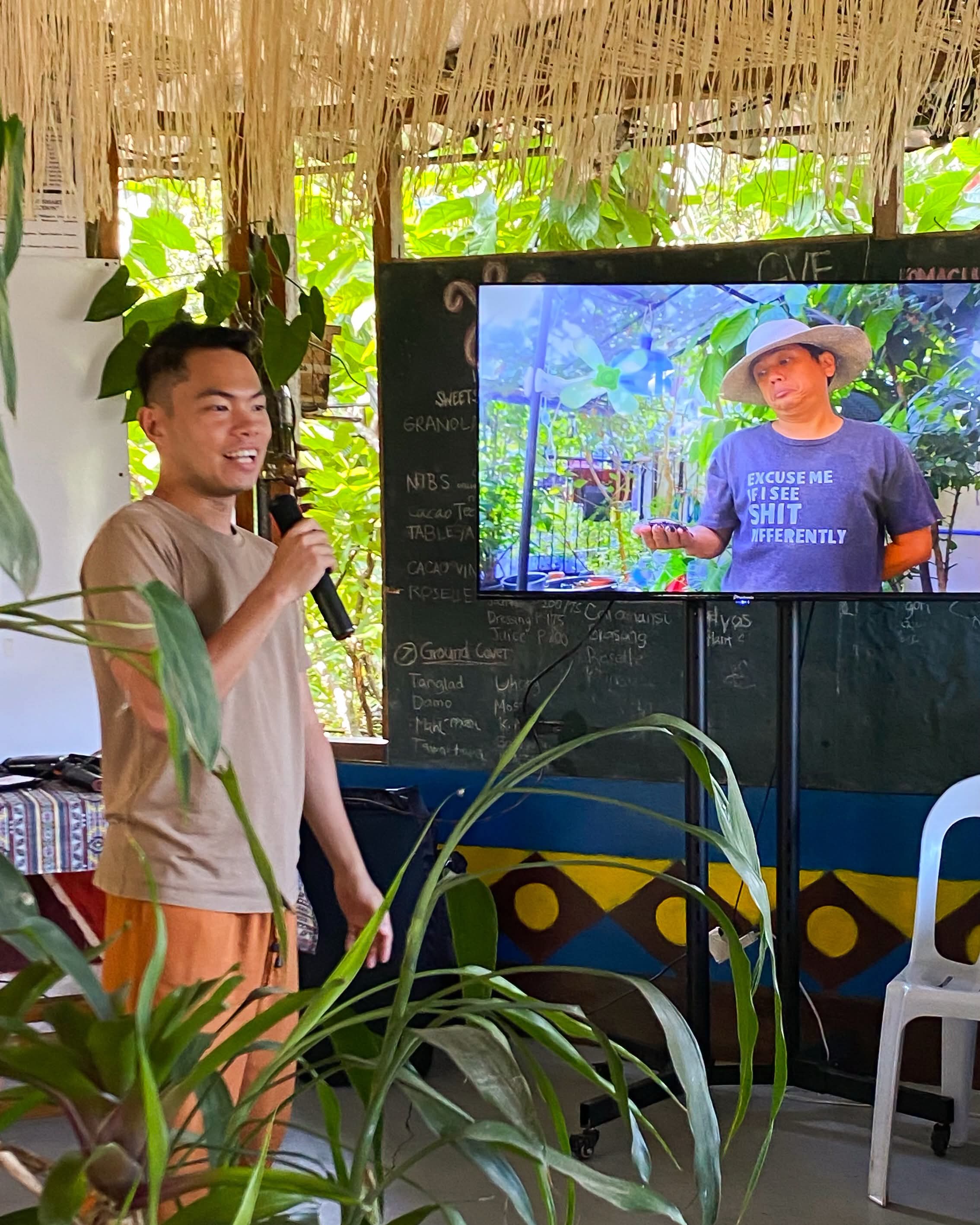
Our facilitators reminded us that these weren’t abstract ideals. They become real only when practiced into everyday decisions. And that is where the twelve principles of permaculture come in. They teach us to observe carefully, value diversity, use resources wisely, produce no unnecessary waste, and work with nature rather than constantly trying to conquer it.
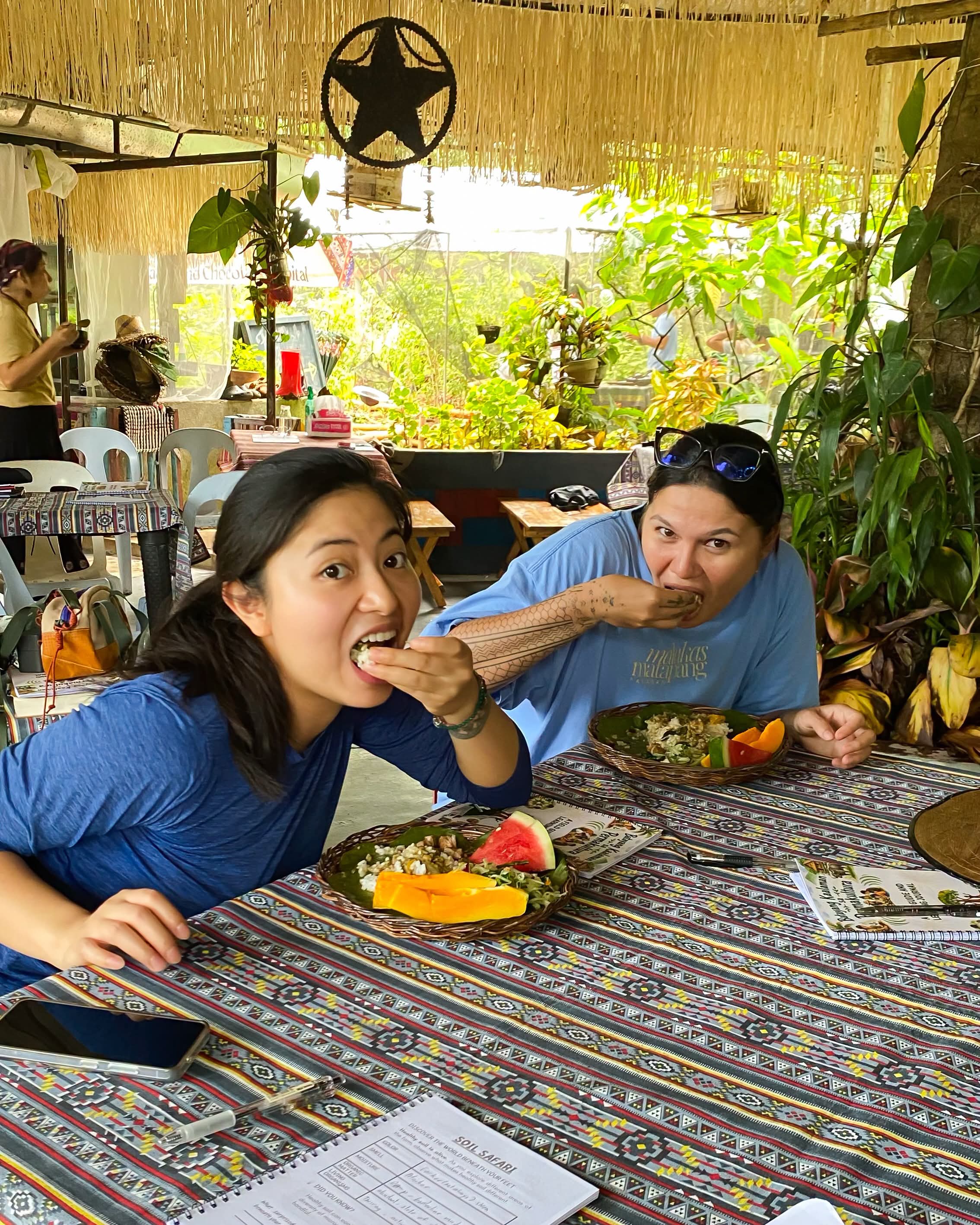
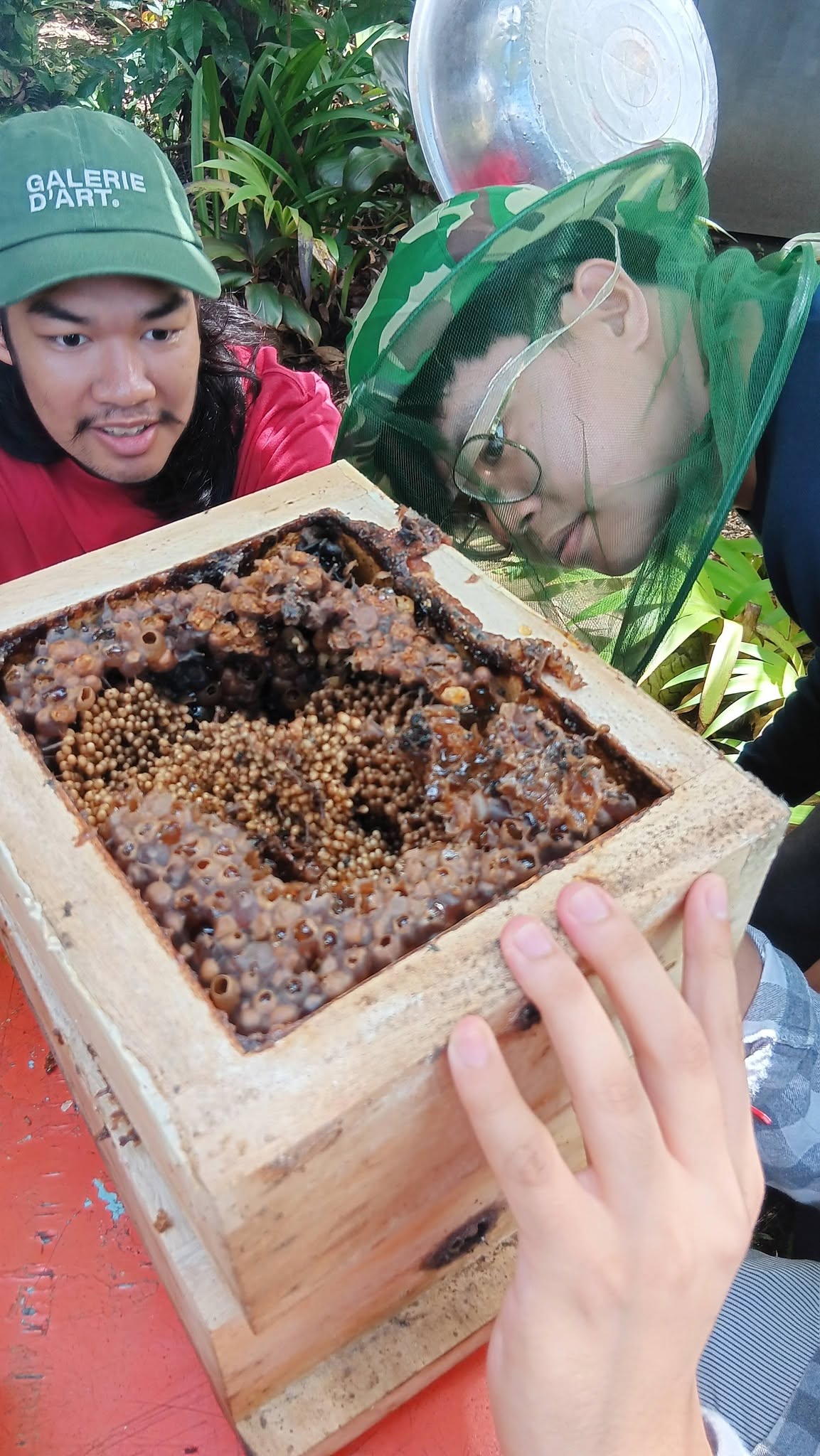
One exercise particularly stayed with me. Our “Soil Safari.” Armed with nothing more than curiosity, we examined what many people dismiss as ordinary dirt. Yet beneath our feet was an astonishing universe. Tiny organisms, fungi, roots, insects, moisture, minerals – all quietly cooperating in ways most of us never notice. The soil wasn’t dead matter. It was alive. It reminded me that some of the most important work in life happens where nobody is looking, without us knowing, and even caring for it.
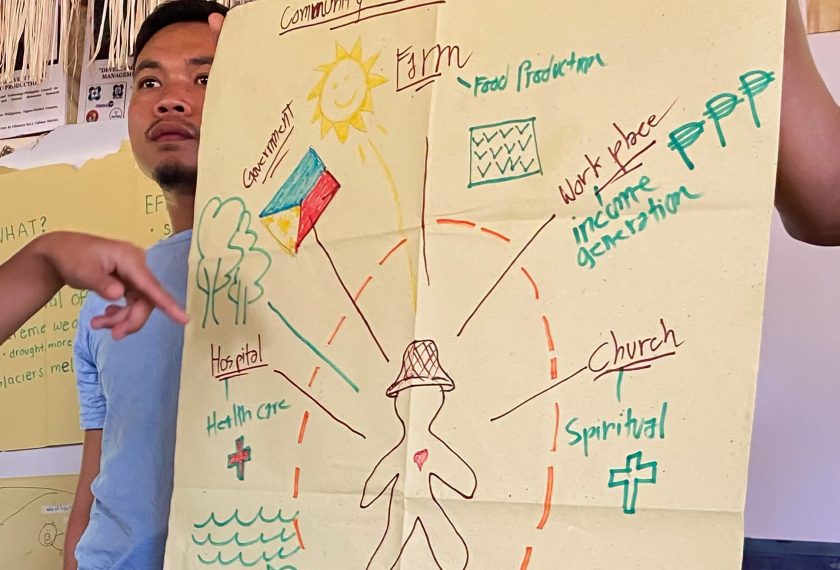
Another realization was the relationship within the bigger, more visible community. Using simple mapping exercises, we identified the different relationships that allow a community to thrive. A farm, we realized, never exists in isolation. Around it revolve the family, the school, the church, the health center, the market, the local government, businesses, neighbors, volunteers, and countless others. Every one of them influences the whole.
I remember a famous old line that goes: “No man is an island.” Day Two quietly reminded us that no farm is an island either. Nor is any community. Nor, for that matter, any of us.
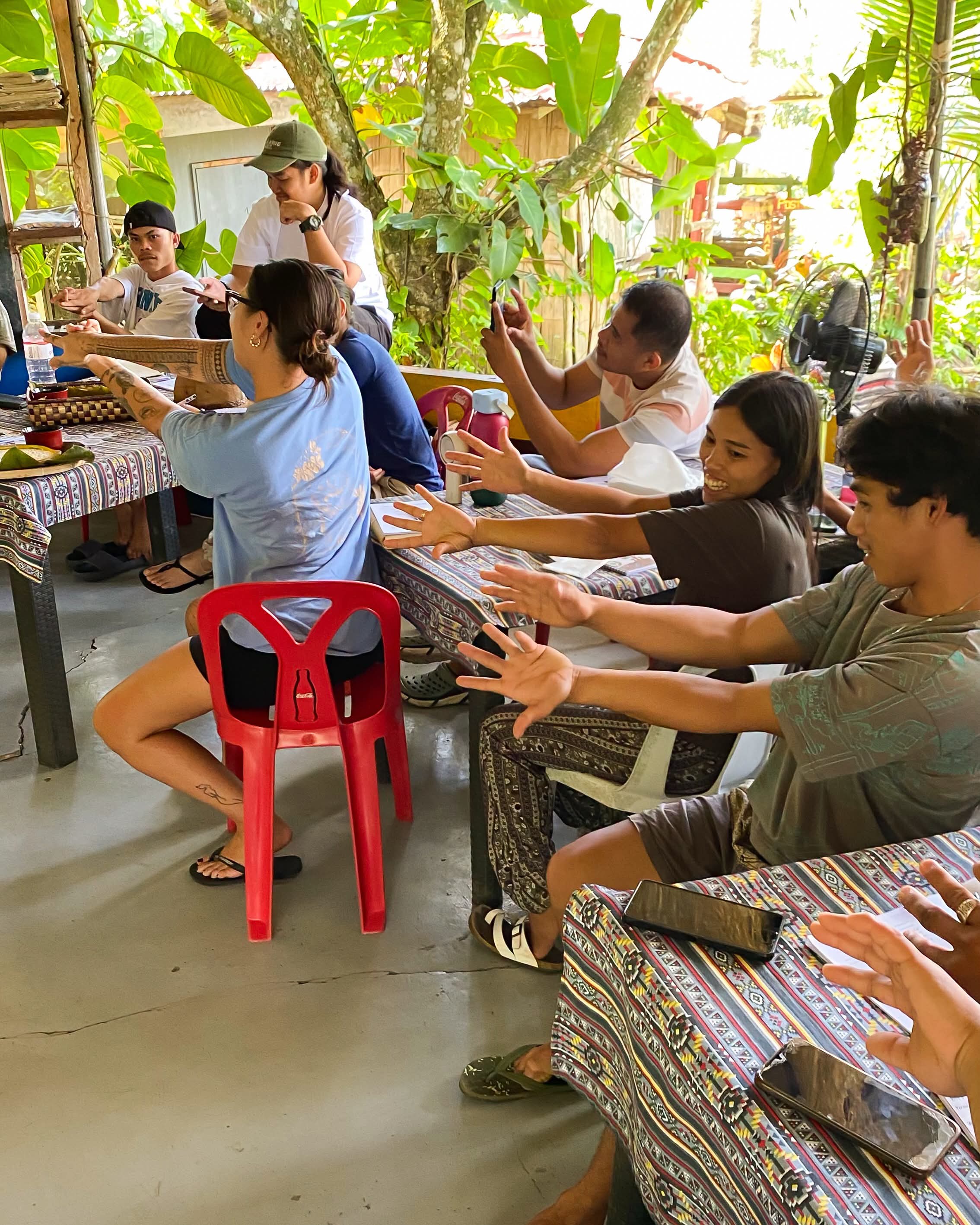
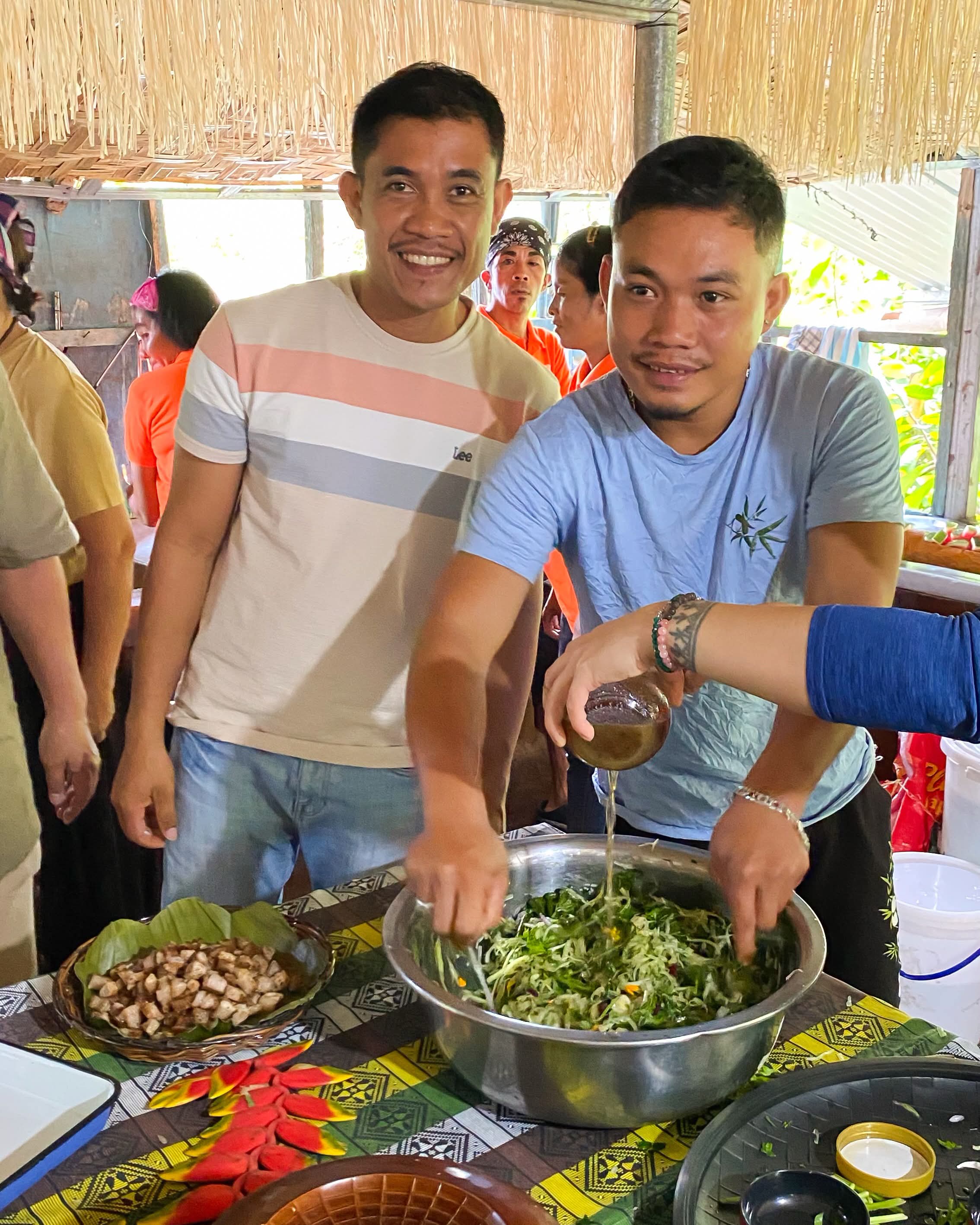
One activity demonstrated what a shared harvest truly means. Instead of asking only, “What can I produce?”; we learned to ask, “What do we really need?”, “What should we preserve?”, and “What should we return to the earth?”, or “What should we share?” These questions may sound simple. Yet perhaps they are exactly the questions our modern world seem to have forgotten.
As I drove home that evening, one thought lingered. Nature survives not because everything competes. Nature survives because everything connects.
Perhaps that is permaculture’s greatest lesson. If we learn to care for the earth, care for one another, and share fairly, abundance will no longer be something we chase. It will simply become the natural result of living the right way.
Click here to see a preview of Day 2. Video courtesy of Sixto Bereber.
Click here to view Part 3 of this 5-part series: The Five Days That Changed The Way I See The World.
Cover pic as well as all other pics courtesy of Josh Holganza. For a closer look, just click on the pic.


One comment