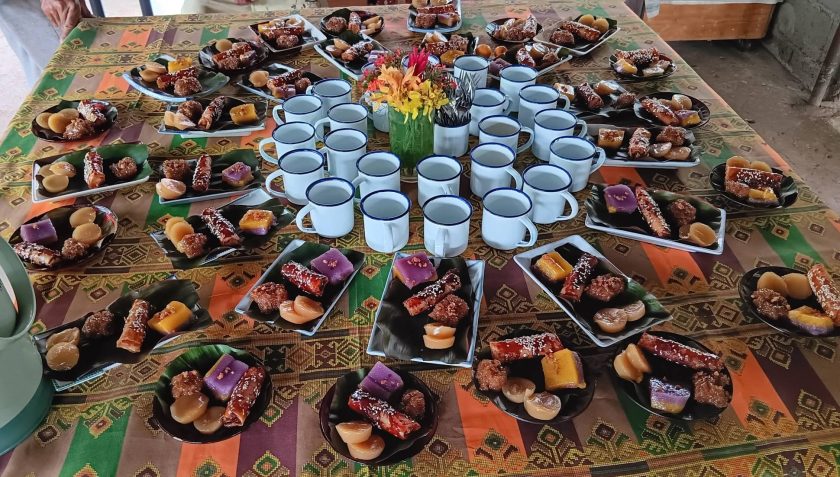
Last week, I completed a five-day workshop on permaculture, and now, I still find myself reflecting on what I experienced. I arrived curious, but without great expectations. I left with something far more valuable than a new set of farming techniques – I left seeing the world through a kinder, more understanding lens.
What began as a course on caring for the land gradually became a journey into understanding our relationship with nature, our communities, and even ourselves. It challenged many of my long-held assumptions, awakened a deeper appreciation for the quiet wisdom of the natural world, and reminded me that meaningful change often begins with the smallest, most ordinary choices.
Over the next five parts of this series, I’d like to share not just what we learned, but how those lessons quietly reshaped the way I think about stewardship, resilience, and our responsibility to future generations. My hope is that these reflections will encourage others, as they did me, to believe that even the humblest acts – when done consistently and with purpose – can help cultivate a healthier planet, a stronger community, and a more hopeful future for us all.
So, come and walk the trails of Gran Verde Farm with me. The first lesson may surprise you, because it wasn’t about planting seeds. It was about learning how to see.
Day 1 – Learning to See
For years, I’ve insisted that I was already an agriculturist. Why? Because I always agree with my wife, Wit. That’s “agree-culture.” Recently, she enrolled me in a five-day permaculture course. Suddenly things became even more serious. In Tagalog, ‘pirma‘ means ‘to sign.’ So I figured permaculture must mean signing a legal document proving that I officially agree with my wife! Now, wasn’t that neat?
After five days, however, I realized I had entered into something far more important than a piece of paper. I had entered into a quiet covenant with nature itself. I came home convinced that the greatest thing I learned wasn’t how to grow food. It was how to see the world differently.
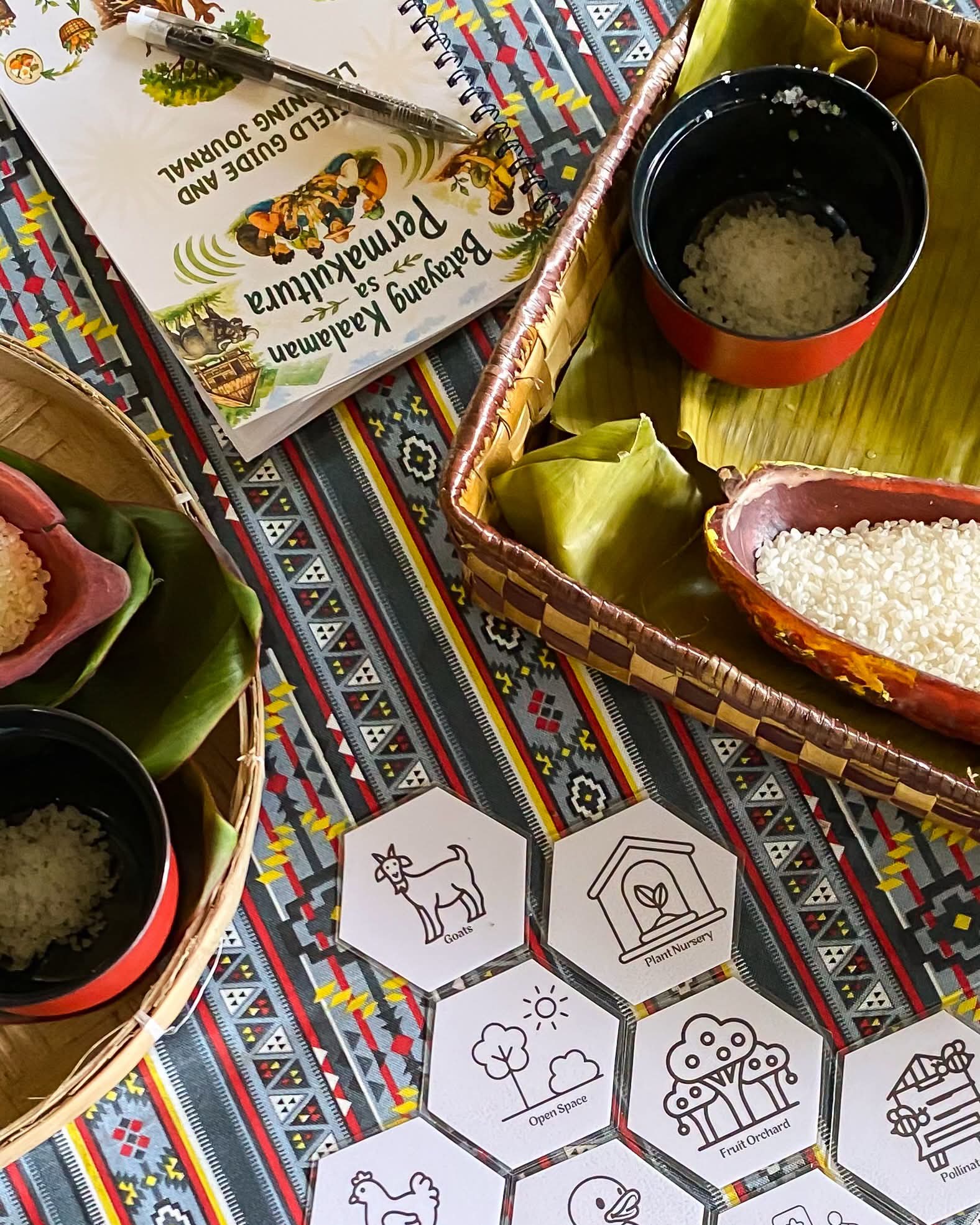
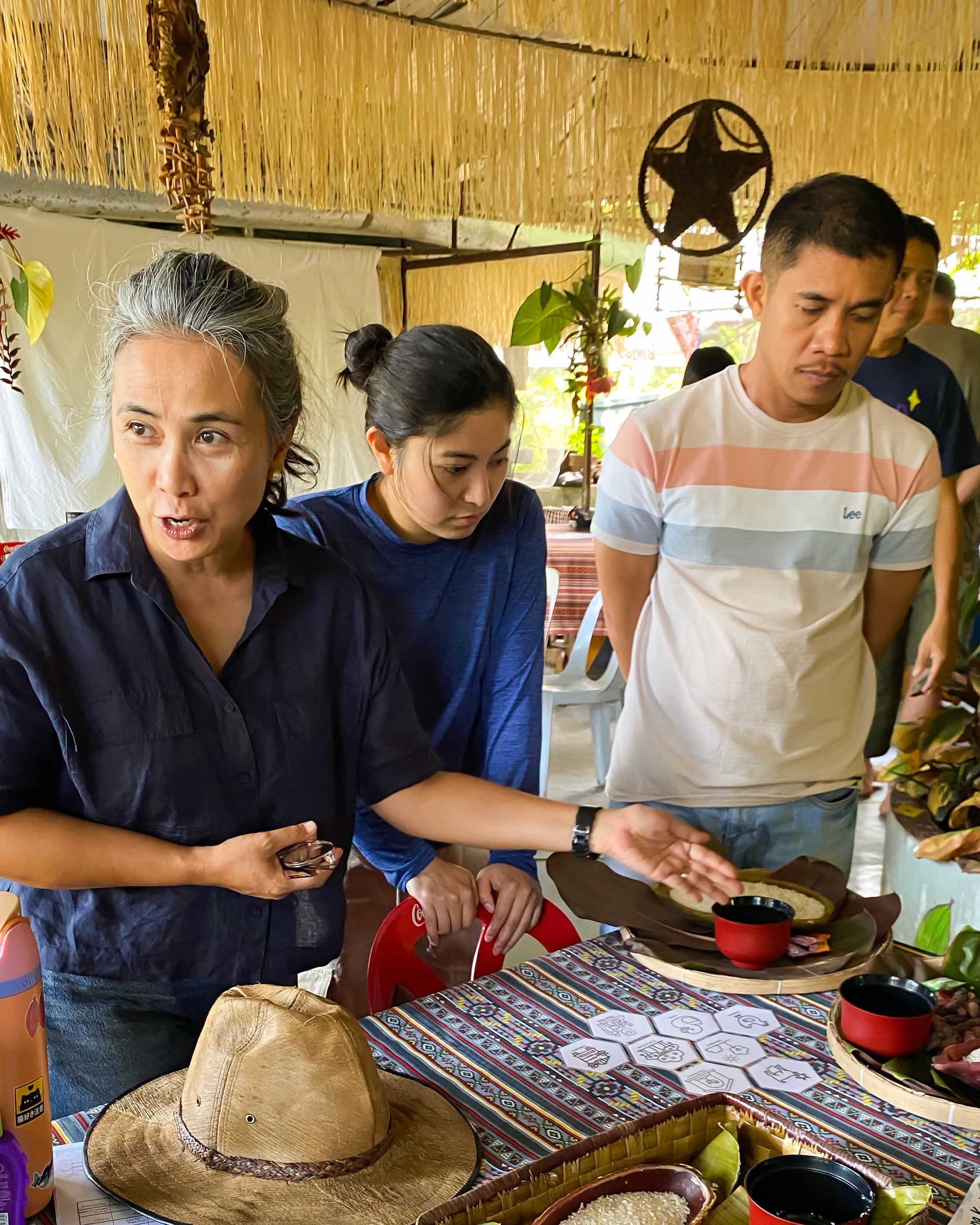
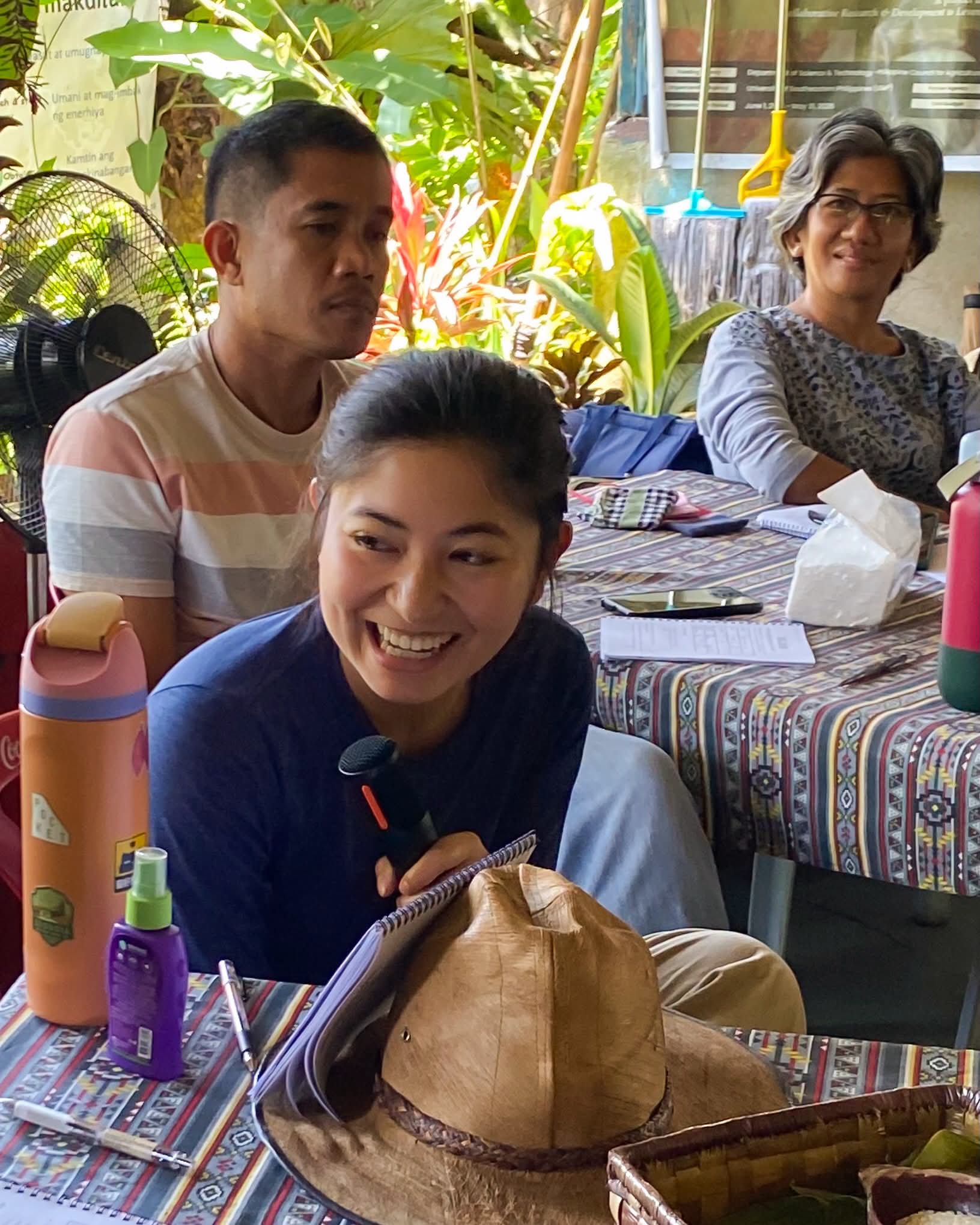
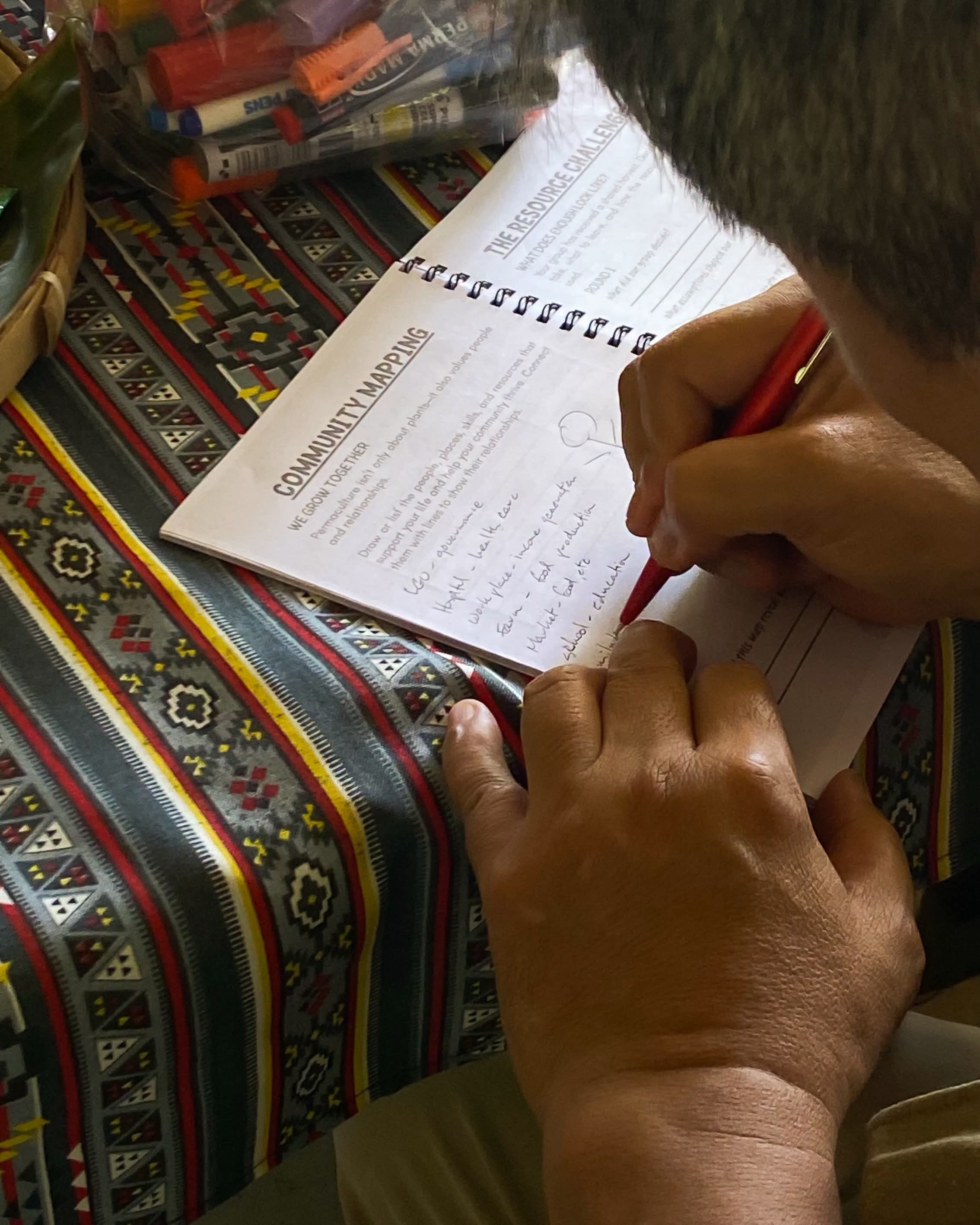
Most people think the first lesson in farming should be about seeds, fertilizer, irrigation, or compost. Instead, we – the twelve curious students of the ‘Batayang Kaalaman sa Permakultura’ (BKP) Workshop – were asked to take off our shoes and simply walk.
This was deliberate. The workshop didn’t begin with a lecture. It began with silence.
We walked barefoot along the paths of Gran Verde Farm. At first, it felt almost childlike, even a little awkward. But as the minutes passed, the ground beneath my feet seemed to awaken the senses that had been asleep for years. The cool earth, the texture of fallen leaves, the tiny stones, the dampness after the morning dew – all these became a sacred part of the lesson.
The lesson wasn’t just about the soil beneath our feet. For years as a soldier, I had looked at the ground as terrain to be crossed. That morning, for the first time, I looked at it as a living partner. Our first day’s opening exercise was more about slowing our minds enough to notice what had always been there. It was about us and the earth itself. It was about observing more deeply, and establishing that intimate connection, with respect and with the utmost humility to understand that we need each other in order to thrive.
And then I realized that we were no longer merely looking at the Farm now. We were actually learning how to see. Our facilitators encouraged us to try to notice everything: the towering trees, the countless shades of green, the insects quietly going about their work, the birds overhead, the intricate relationships between plants, animals, water, sunlight, and soil. Every living thing had a purpose. Nothing stood alone.
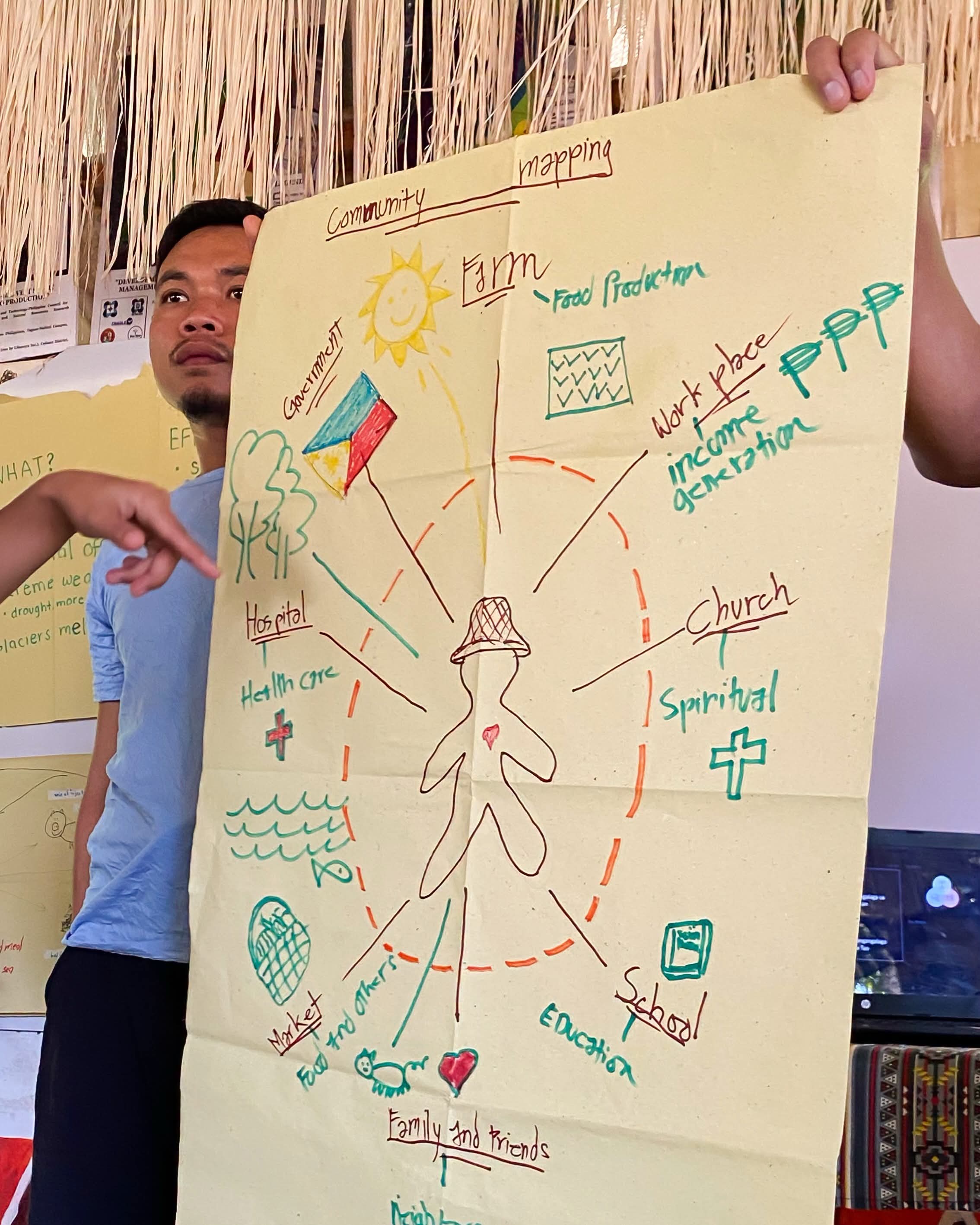
Then the discussion widened. Our relationship with nature mirrors our relationship with one another. Why? Because this isn’t just about farming anymore. It’s about society. It’s about leadership. It’s about family. It’s about peace-building. In other words, it’s about life in general. Just as every organism in an ecosystem depends on others, so too do our families, our close group of friends, our communities, and ultimately, our world.
Later, we also discussed the forces threatening that delicate balance: the loss of biodiversity, the industrialized food systems that separate people from the land, the unchecked consumerism, climate change, the inadequate environmental education, and the policies that often fail to protect our natural resources.
The problems seem overwhelming. Yet, our facilitators refused to leave us feeling helpless. Instead, they reminded us that lasting change rarely begins with sweeping revolutions. It begins with ordinary individuals making small, consistent choices.
To plant one tree. To reduce one piece of plastic. To compost one bucket of kitchen waste. To teach one child. To support one local farmer. To live one day a little more consciously than yesterday. It was an exhilarating and encouraging thought.
Perhaps changing the world isn’t about doing extraordinary things. Perhaps it begins by doing ordinary things extraordinarily well.
As I headed back home that evening, I realized that the first lesson of permaculture wasn’t teaching me how to grow food. It was teaching me how to grow awareness.
Click here to see a preview of the workshop. Video courtesy of Sixto Bereber.
Click here to view Part 2 of this 5-part series: The Five Days That Changed The Way I See The World.
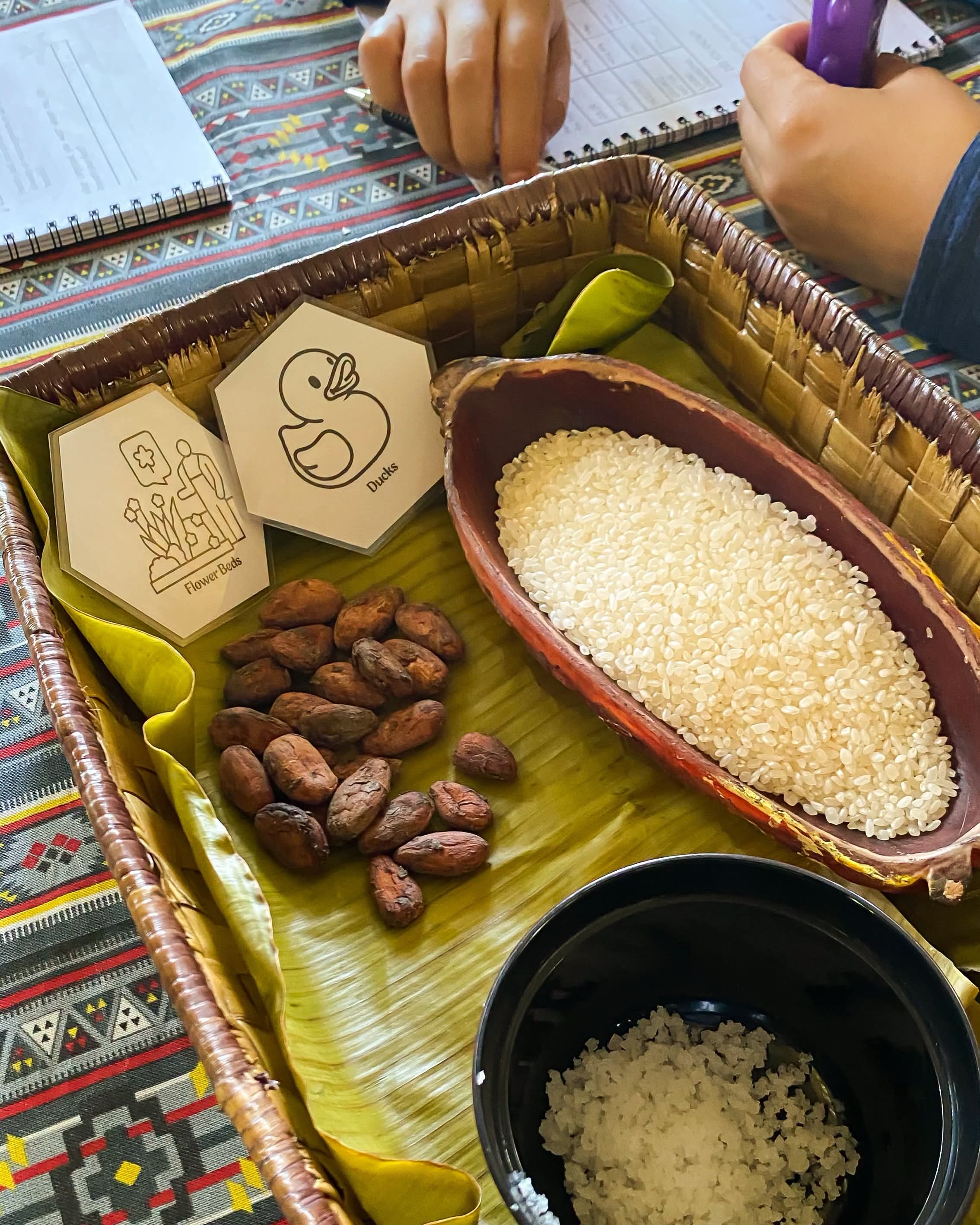
For a closer look, just click on the pics. Pics courtesy of Joshua Holganza.
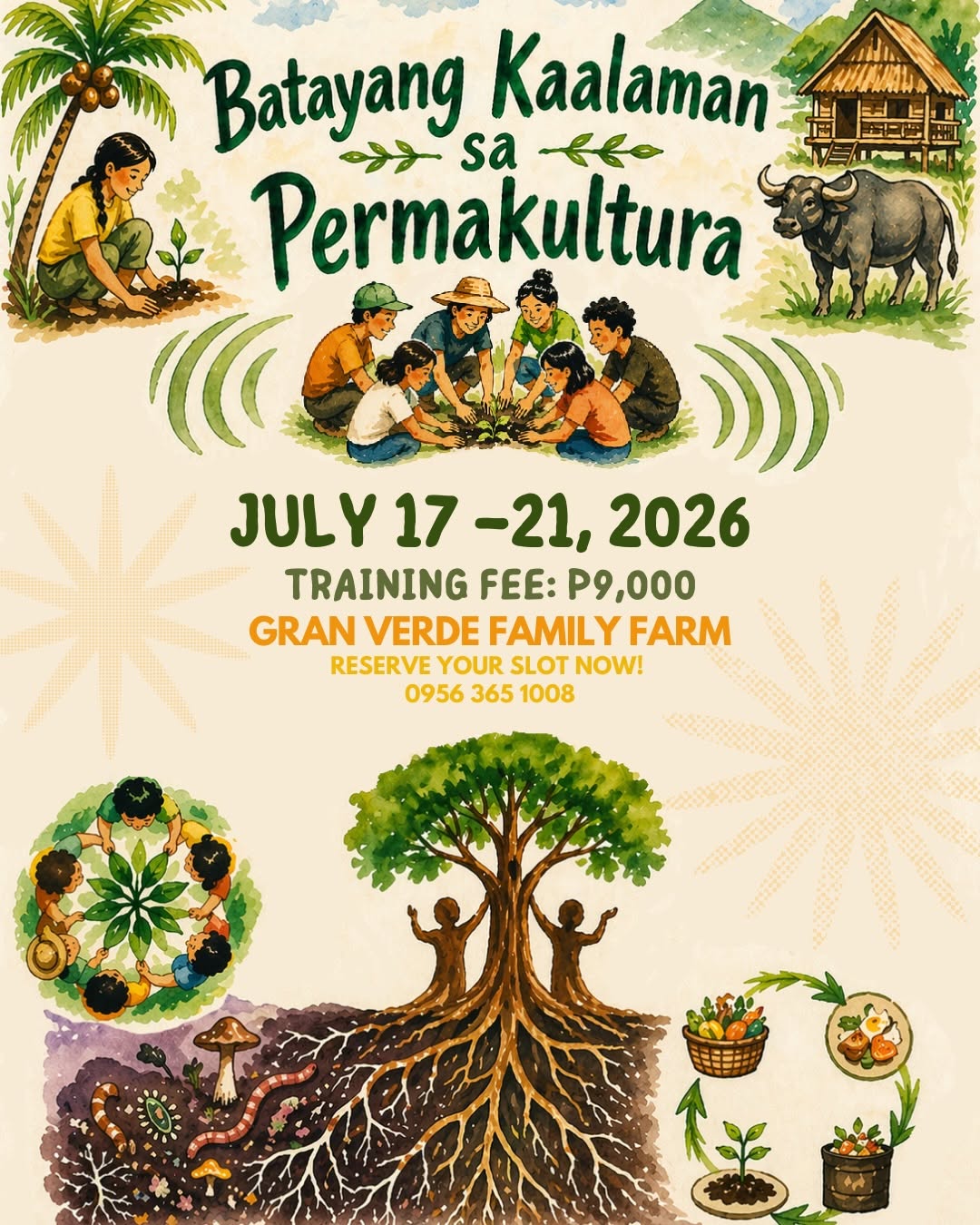
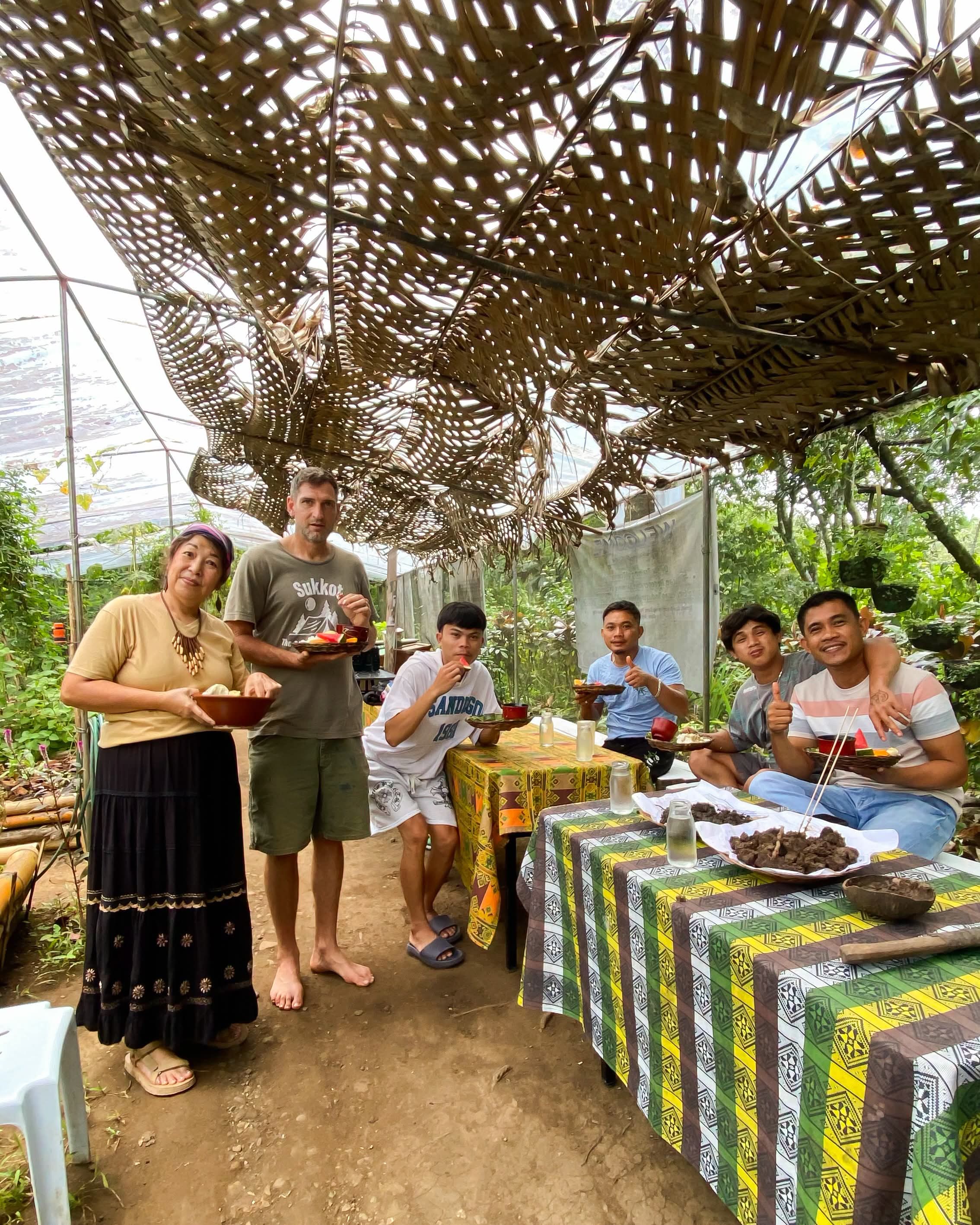
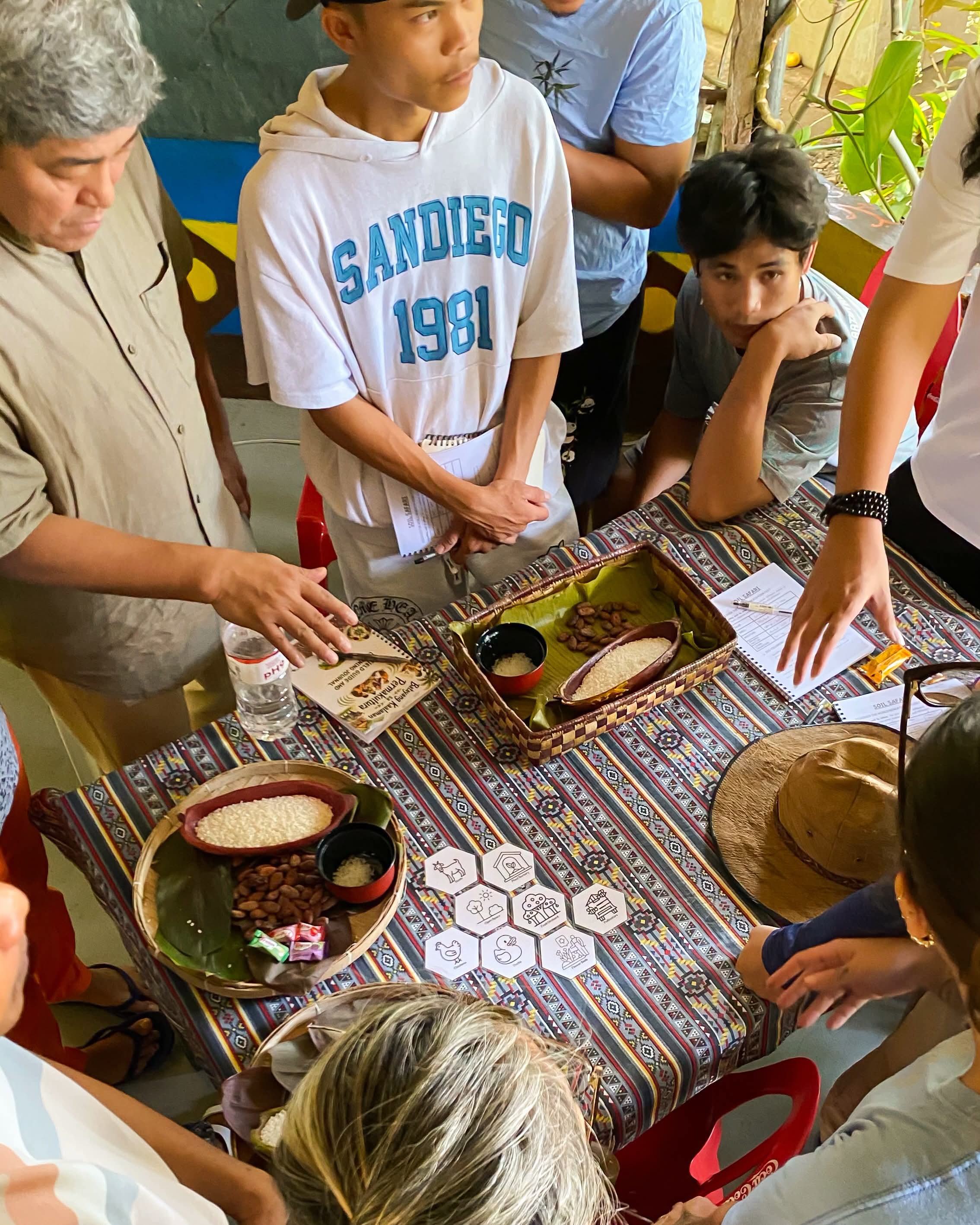


Charly, it seems like your entire life has been about improving yourself and continual learning. This appears to be another example. Good for you (and your wife!).
LikeLiked by 3 people
True, Don. That scheming wife has been cleaning up my act. Haha!
LikeLiked by 2 people
I enjoyed this, Charly. Martin Luther King once was quoted as saying, “if I cannot do great things, I can do small things in a great way.” That has stuck with me ever since I first learned of it. I try to live that life.
LikeLiked by 3 people
Thanks, Bruce. Yes, that’s one of the things I learned then. We can’t allow ourselves to be cynical about the situation. We just have to keep pounding in our own small way.
LikeLiked by 3 people