(20th of ‘My Story’ Series)
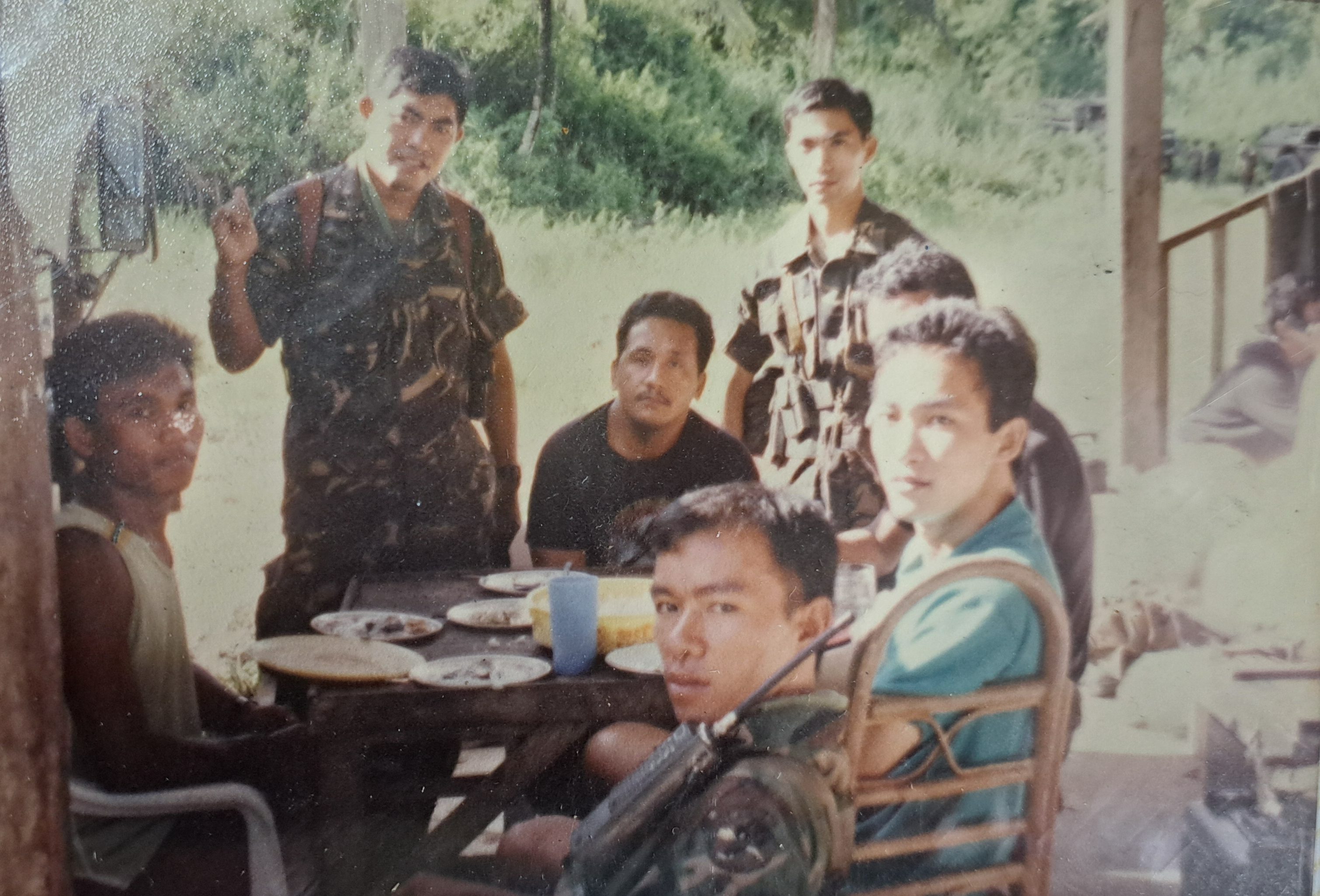
By 1991, I had reached a position that many young officers can only dream of. As Security Head for the Office of the Chief of Staff of the Armed Forces of the Philippines (OCSAFP), I was always just a few steps away from the country’s highest military officer. It was a position built on trust, carrying with it prestige, influence, and a few privileges most young officers could only hope for.
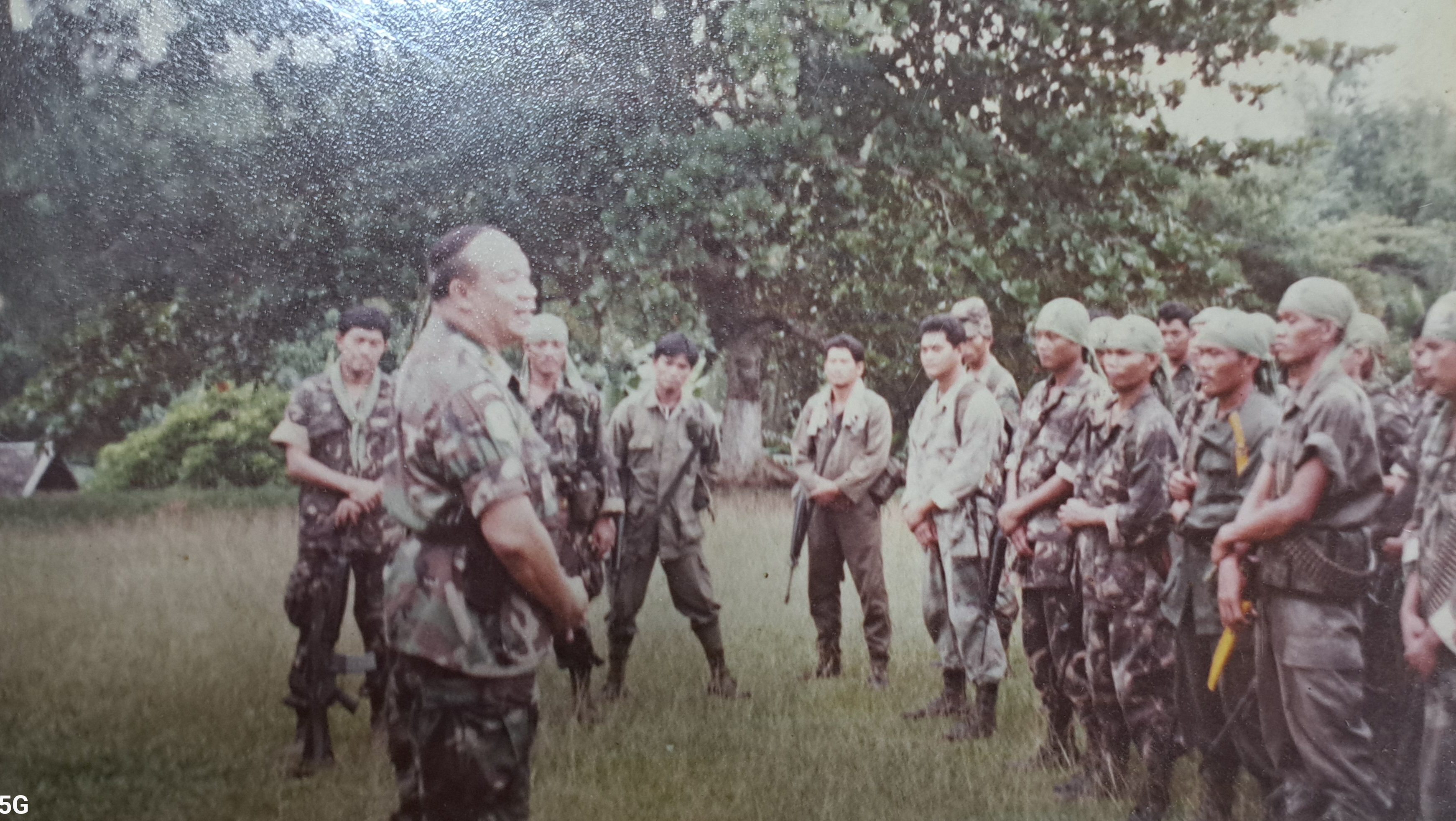
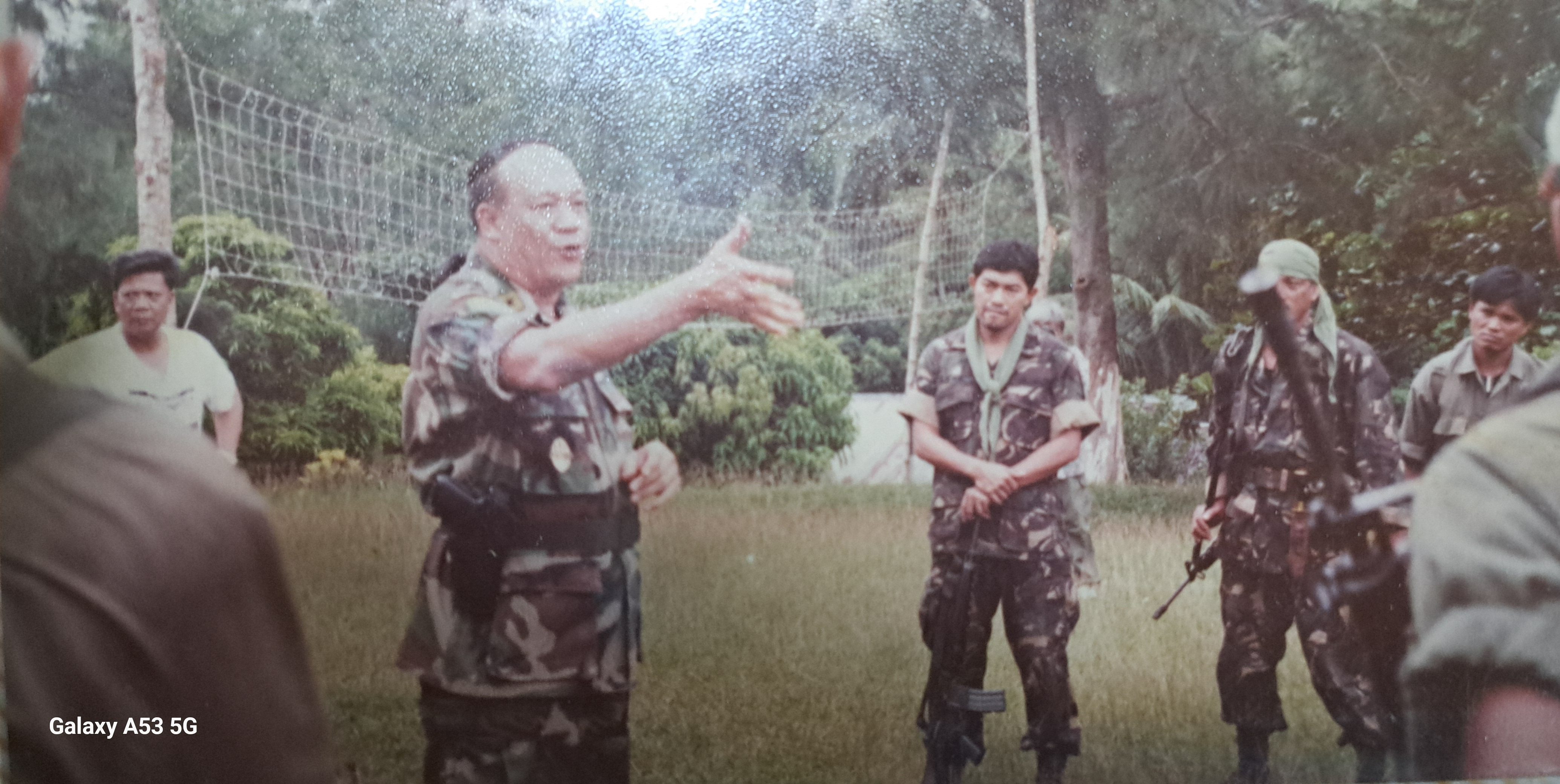
But then, touring the troops with the Chief of Staff, General Lisandro Abadia, I would always hear him profess an uncompromising policy: if you want to command at higher levels tomorrow, you must prove your leadership in the trenches of a lower command today. This meant that one doesn’t make Battalion Commander if he hasn’t had a company command; one doesn’t make it to Brigade Commander if one hasn’t had a Battalion command. And so on. This would haunt me whenever he talked to the men in his regular field visits.
For I had sacrificed the opportunity to command a regular SF company years earlier. This was due to the fact that I had not been able to complete the Special Forces qualification course due to the crises in Davao during those times. I was slated to take my SF training in the US, but my commander asked me to defer it because he said: “I need you here in Davao right now.” And the unit’s policy would not allow me to command a regular SF company without the requisite SF training. Hence, a sacrifice made out of duty years before had ironically become a roadblock to my future.
No one ordered me to leave the office. Not General Abadia. Nor anyone else. I was not forced to transfer. I simply volunteered to leave. But frankly, it was not just General Abadia’s directive, for there was a growing restlessness in me that yearned for something else as well. There still remained a longing for the rugged life and the simple joys of field work.
General Abadia was surprised when I asked him for permission to take on another assignment, much moreso a field assignment. Because no one ever volunteers to leave the Chief of Staff’s office. But he realized that I was hellbent on taking a company command. He also knew that this could have an adverse effect his own directive. And so, he eventually gave his blessings for me to leave the OCSAFP.
Some senior officers commented that I must be going crazy. They could not comprehend why I would willingly trade the comforts of Camp Aguinaldo – in one of the most sought-after staff assignments in the entire Armed Forces – for the risks and the difficulties of life in the field.
“Pa-aircon, aircon ka na; pa-abroad abroad pa, ipagpapalit mo yan sa pa-bundok-bundok na naman? Naka-kutson ka na, babalik ka sa pa-poncho-poncho sa lupa?”, a senior officer asked. (“You’re already enjoying the comforts of an air-conditioned office, travelling abroad, and sleeping on a proper mattress. Why trade all that to sleep on the ground in a poncho once again?”) Sometimes, I did wonder: Why the sacrifice? Why go back to the field with the risks and inconveniences? Why give up precious time with the family?
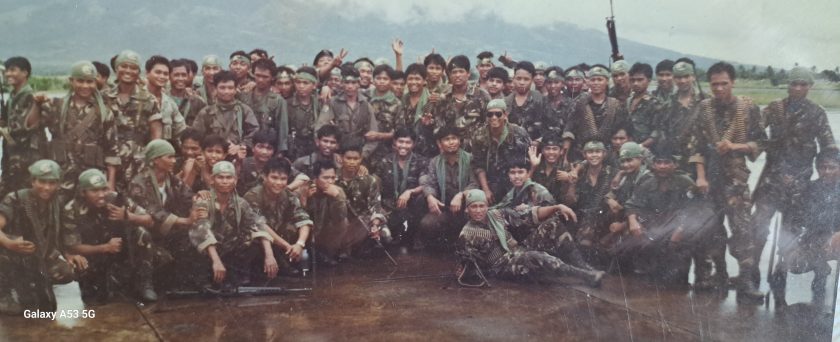
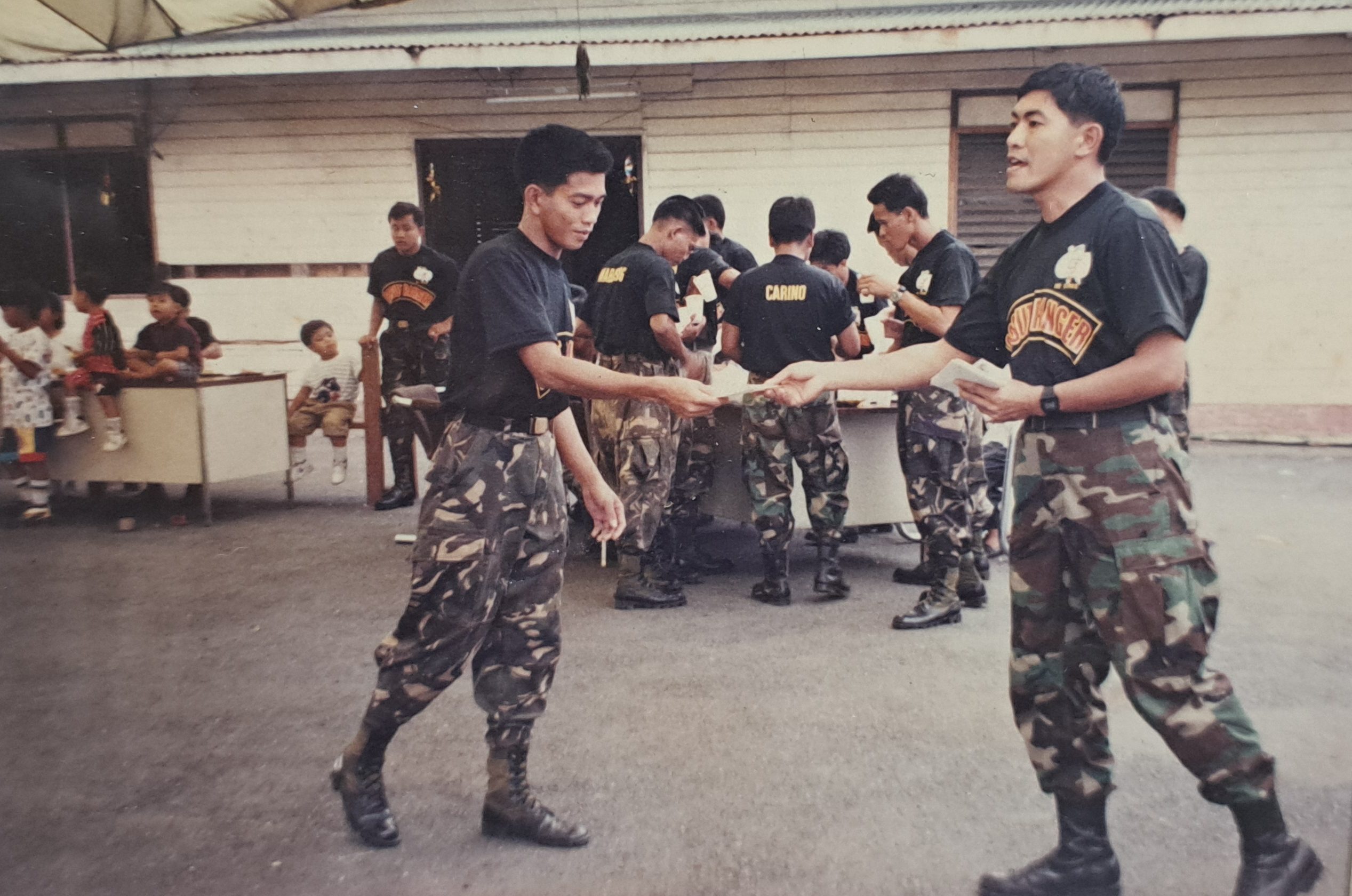
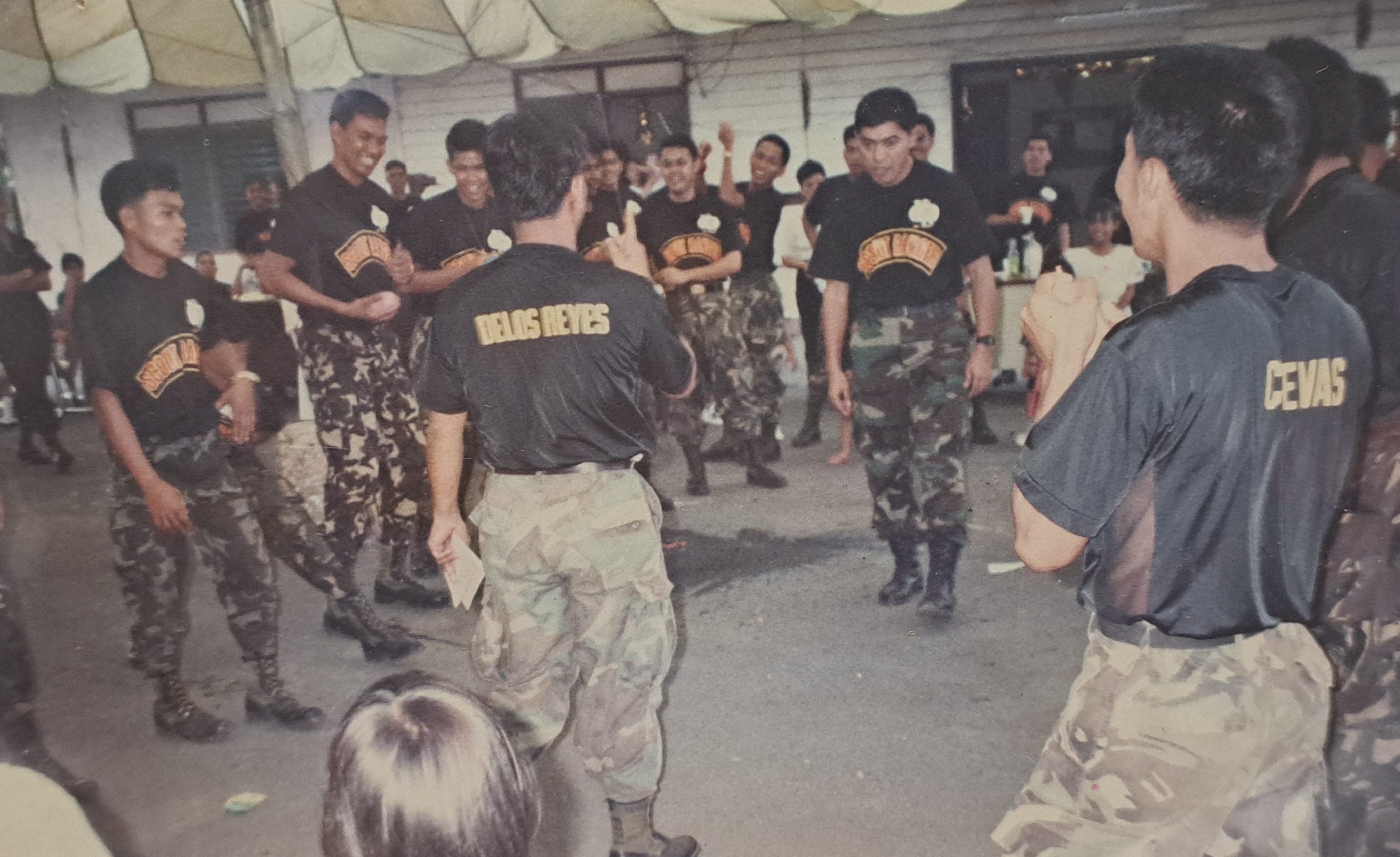
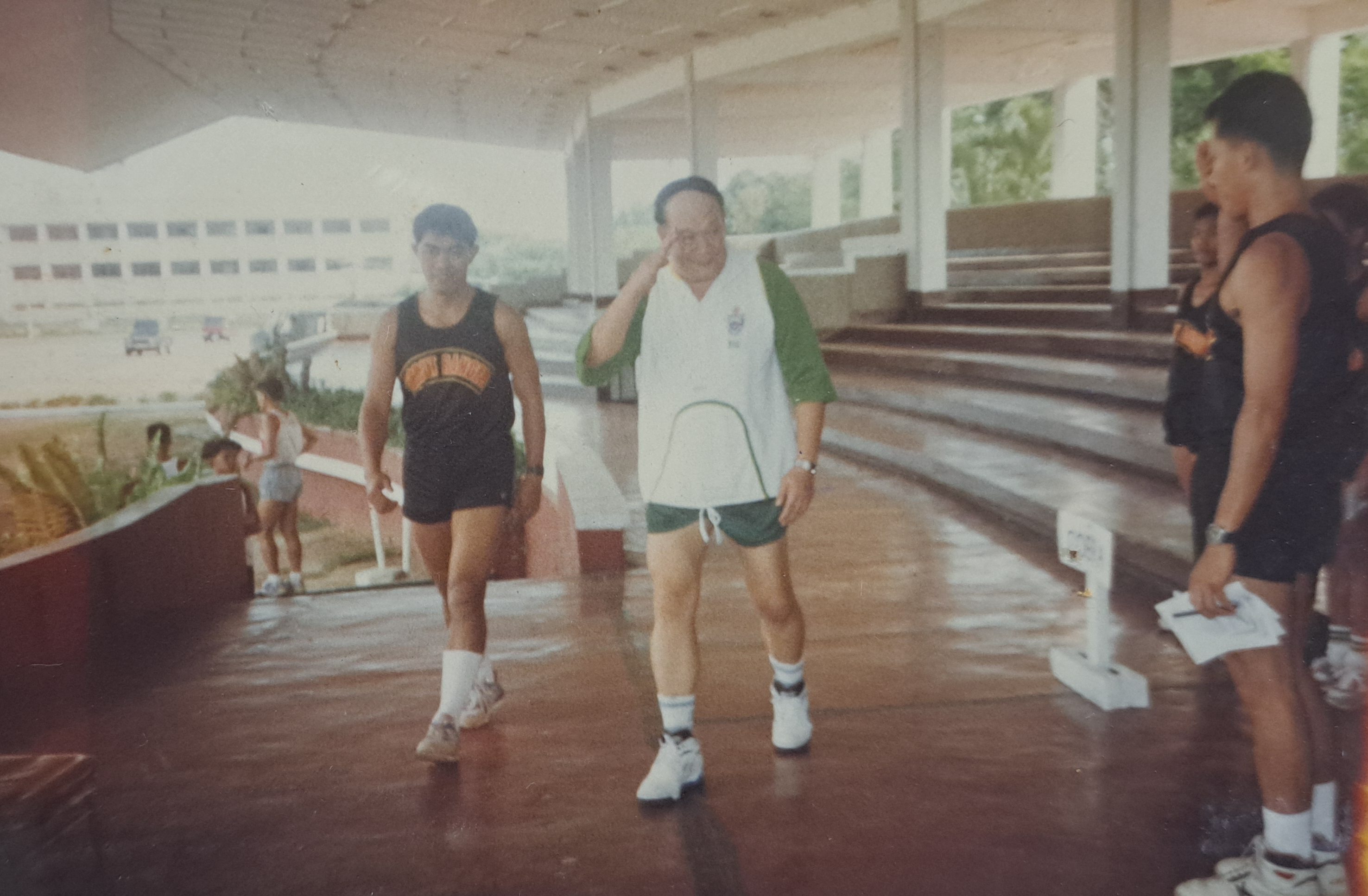
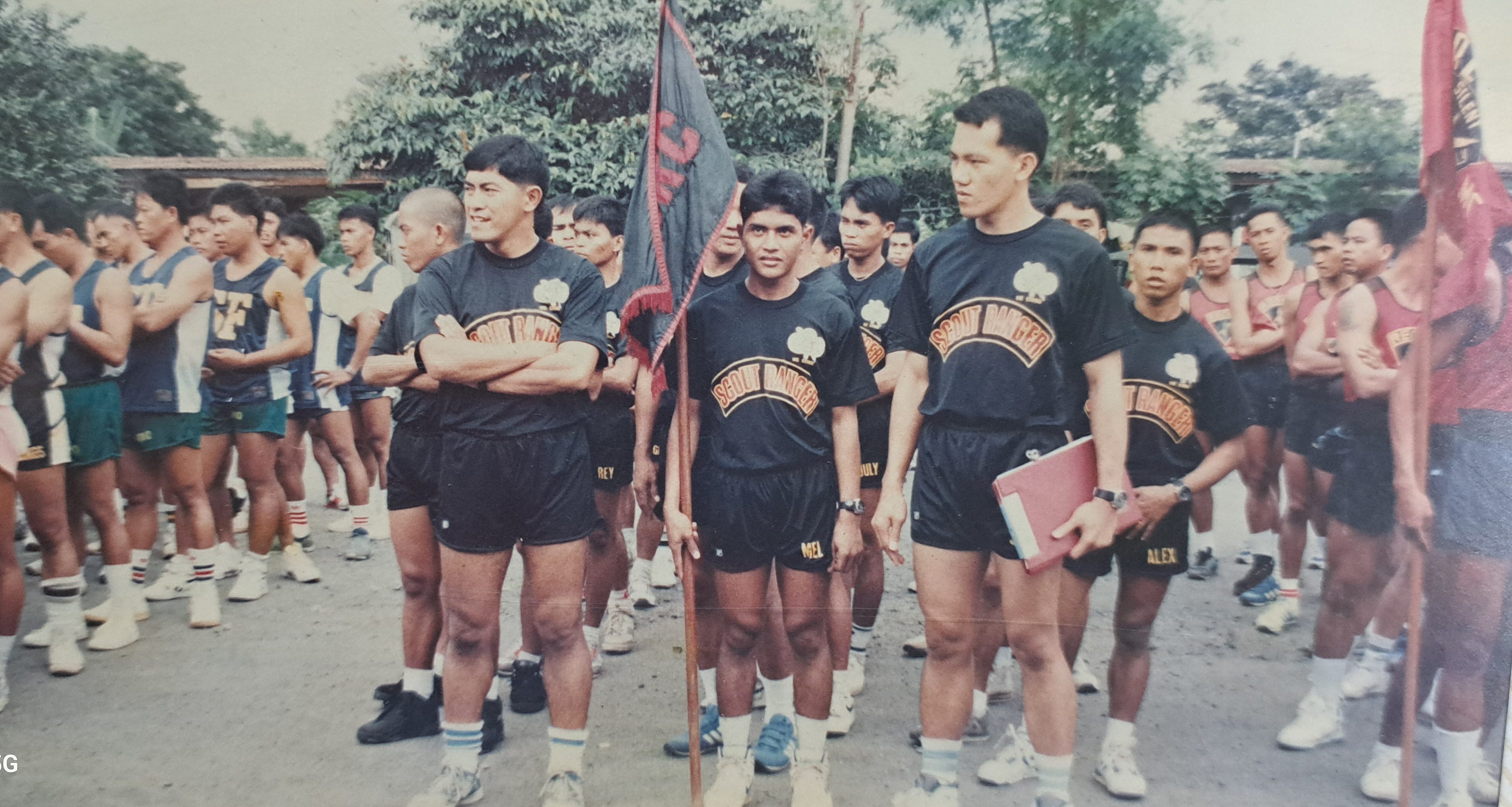
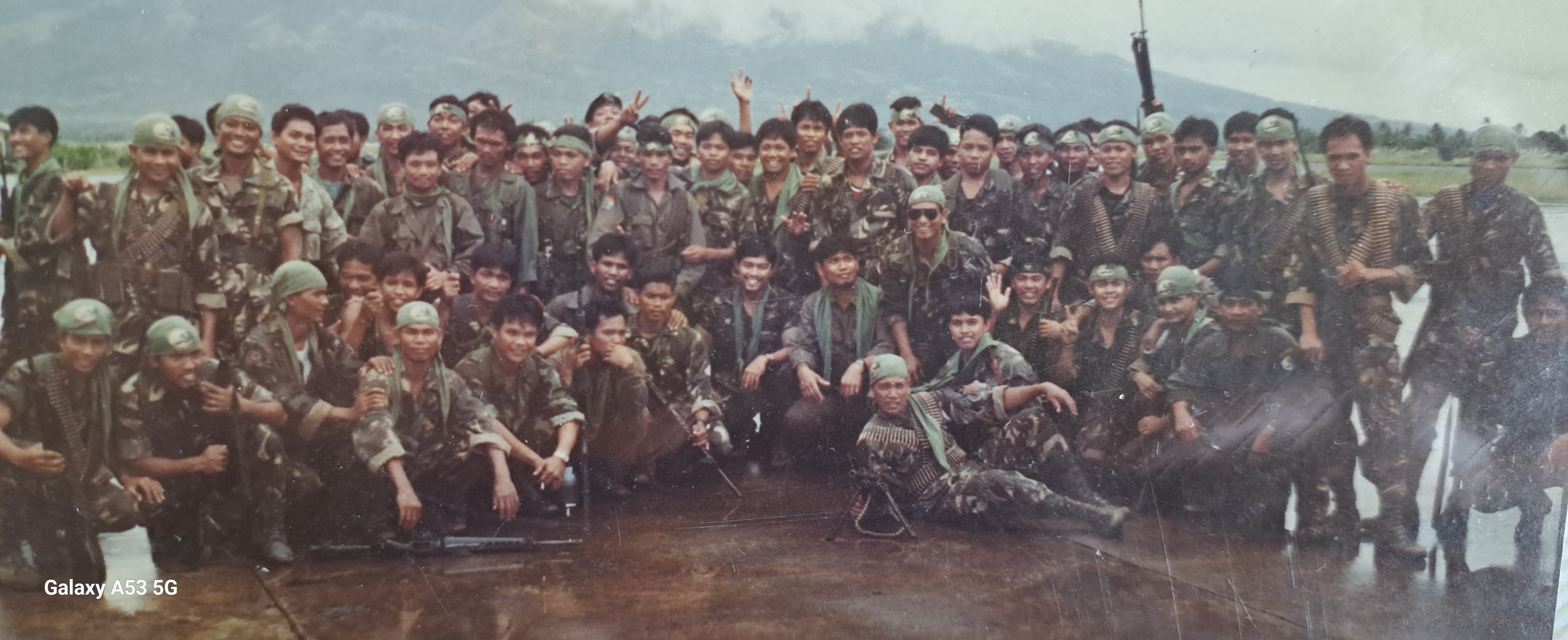
But I dismissed all those thoughts. I wanted to tow the line. I wanted to ensure that no one could fault my boss, General Abadia, of favoring his own personal staff. Hence, at a time when company commanders were younger, more aggressive and more physically fit, I was now the big anomaly. At thirty-four, and already a Major, I became the oldest company commander in the AFP. And the company I would command was no ordinary unit – it was an elite Scout Ranger company.
The 9th SR Company – with it’s motto: Angat sa Iba (Above all the Rest) – would later be designated as a part of GHQ’s Rapid Deployment Force (RDF). As a unit under the RDF, we were a ready force that GHQ could use for a quick response to any outbreak anywhere in the country. And soon, we would be thrown straight into the jaws of the insurgency, hunting the enemy across the hinterlands of Bicol, chasing them in the dense jungles of Eastern Mindanao, and exploring the isolated, unforgiving mountains of Samar and Leyte.
I remember our first jump-off somewhere in Bicol. That first night in the mountains, I just couldn’t sleep. The pebbles beneath my back seemed sharper than I remembered. Mosquitoes whined relentlessly around my ears. Somewhere in the darkness, I caught myself thinking – not about the mission – but about home. The warm meals. The clean sheets. The children’s laughter. Wit’s patient smile. Strange, how it is only after we leave home that we truly understand the value of the most ordinary things we can find at home.
I also remember the embarassment when a sudden downpour came while we were on patrol. I hurriedly opened my pack to get my poncho. Looking around, I saw my Rangers giving me that puzzled look. No one laughed. No one corrected me. But no one reached for a poncho. They simply watched. That silent stare told me that sometime during my years behind an office desk in GHQ, I had forgotten some of the little habits that once defined me as a Ranger. My Rangers stopped and waited for me, rain streaming from their soaked bandanas as though the weather was of no concern. Then it struck me. Rangers don’t stop because of rain. I quietly put the poncho back in my pack. The heavy rain continued. And we walked on.
Those first few weeks of relearning the Rangers’ Standard Operating Procedures (SOPs) in the field slowly stripped me of the comforts I had grown used to. They quietly erased the complacency that comfort had begun to build. Little by little, the mountains would humble me with lessons that no staff assignment could teach: that leadership begins with shared hardship, that credibility is earned rather than assigned, and that comfort, if left unchecked, has a quiet way of softening even the most experienced of soldiers. I had returned to command a Scout Ranger Company. I didn’t realize it then, but my Rangers were also slowly – and subtly – teaching their commander how to become one again.
For more on this, you can read back on “Lessons Over Lunch” (19th of My Story Series). Just click on the title.
(For a closer look, just click on the pics.)
 Color My World
Good series 👍🏼 Keep it up
LikeLiked by 1 person
Thanks, Priti! You can back-read My Story for more interesting stuff. 🙂
LikeLiked by 1 person
Ofcourse
LikeLiked by 1 person